International workshop in Arnasoy
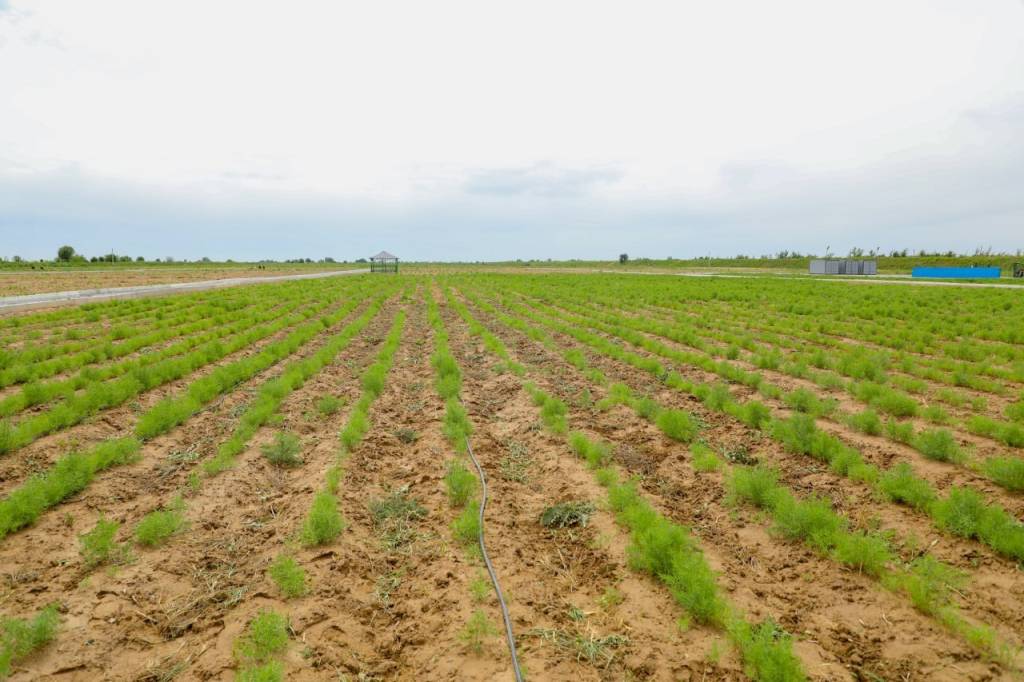
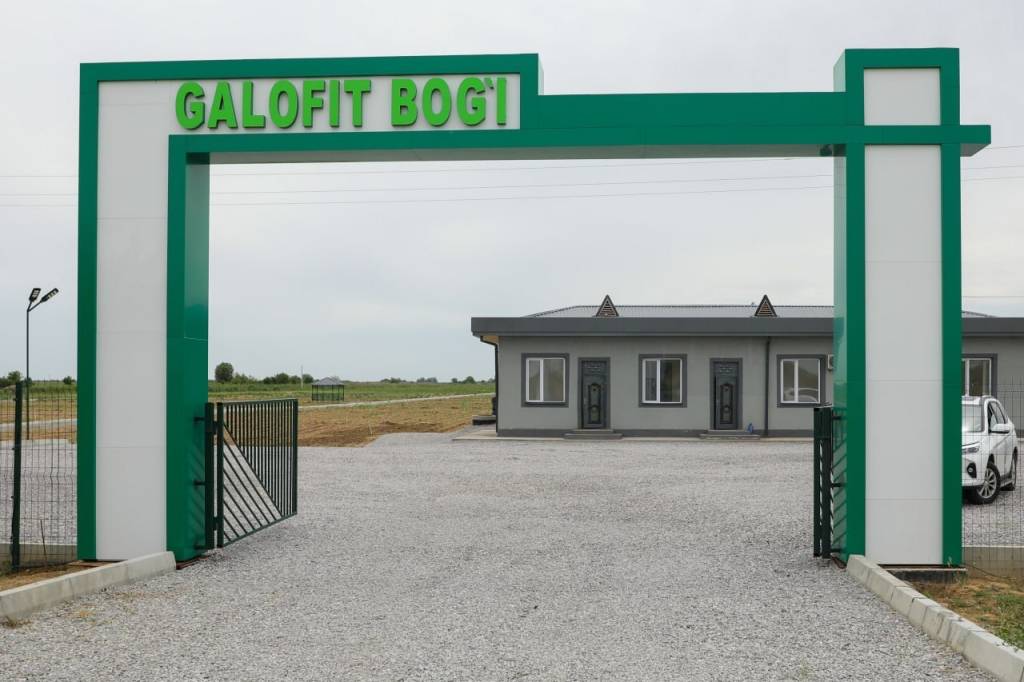
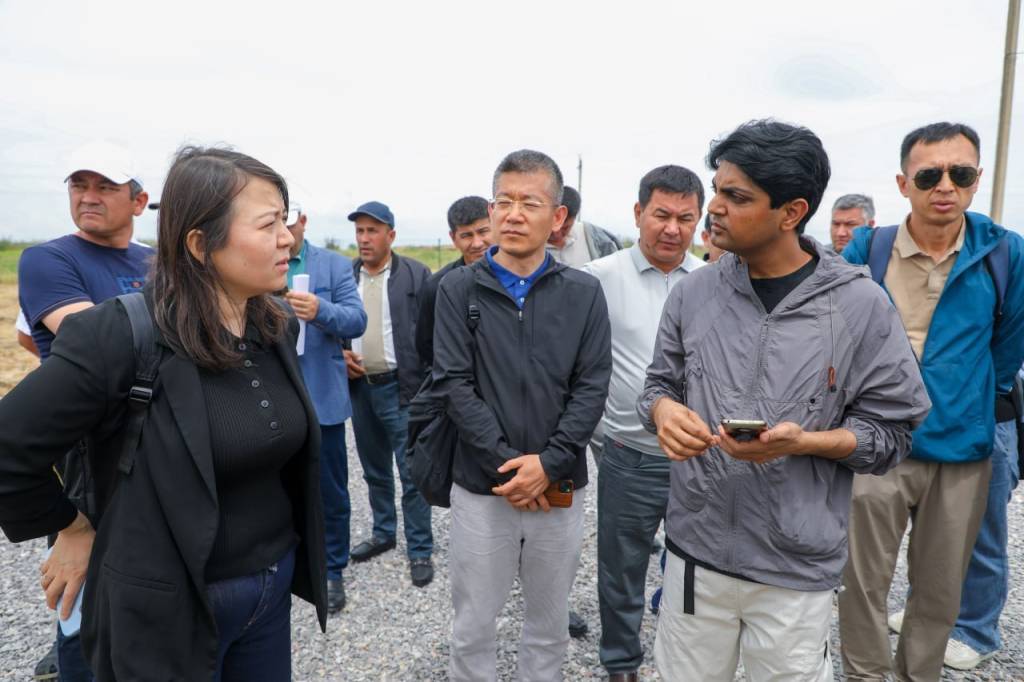
An international scientific and practical workshop on “Technologies for combating desertification in Central Asia” was held at the Uzbekistan – China Friendship Halophyte Garden located in Arnasoy district of Jizzakh region.
The event was attended by officials from the Ministry of Ecology, Environmental Protection and Climate Change and the Forestry Agency, professors and scholars from the Xinjiang Institute of Ecology and Geography of the People’s Republic of China, specialists from research institutions, and industry experts.
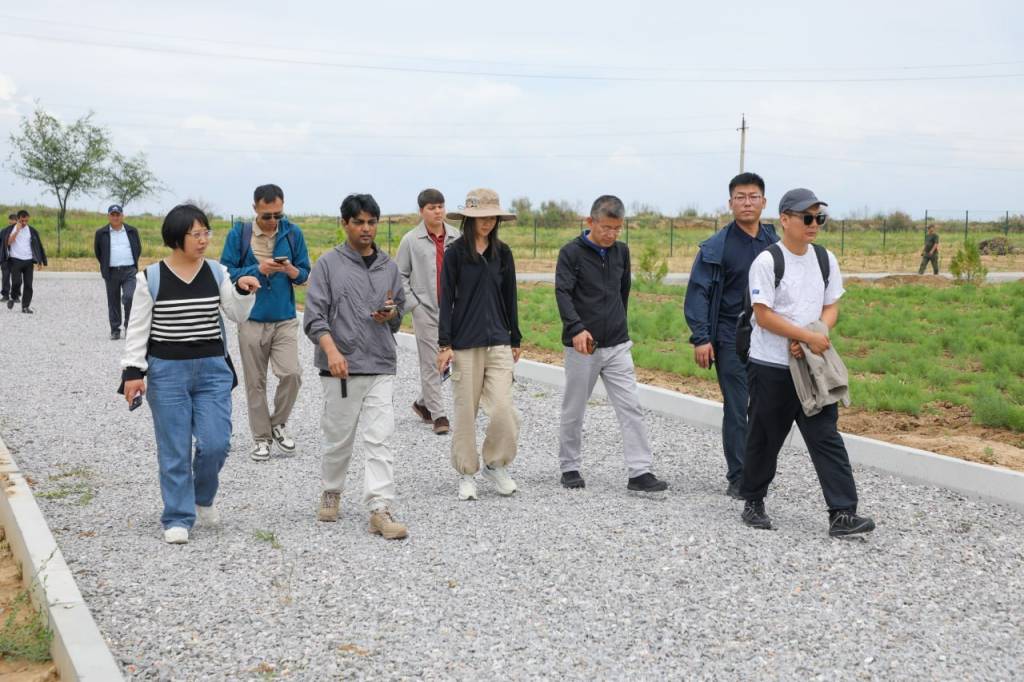
The participants discussed modern scientific solutions to curb desertification in Central Asia, rehabilitate saline lands, and create a sustainable ecosystem based on halophyte plants. Particular attention was paid to introducing water-saving technologies and to the widespread application of innovative agrotechnical methods in practice amid increasingly severe water shortages.
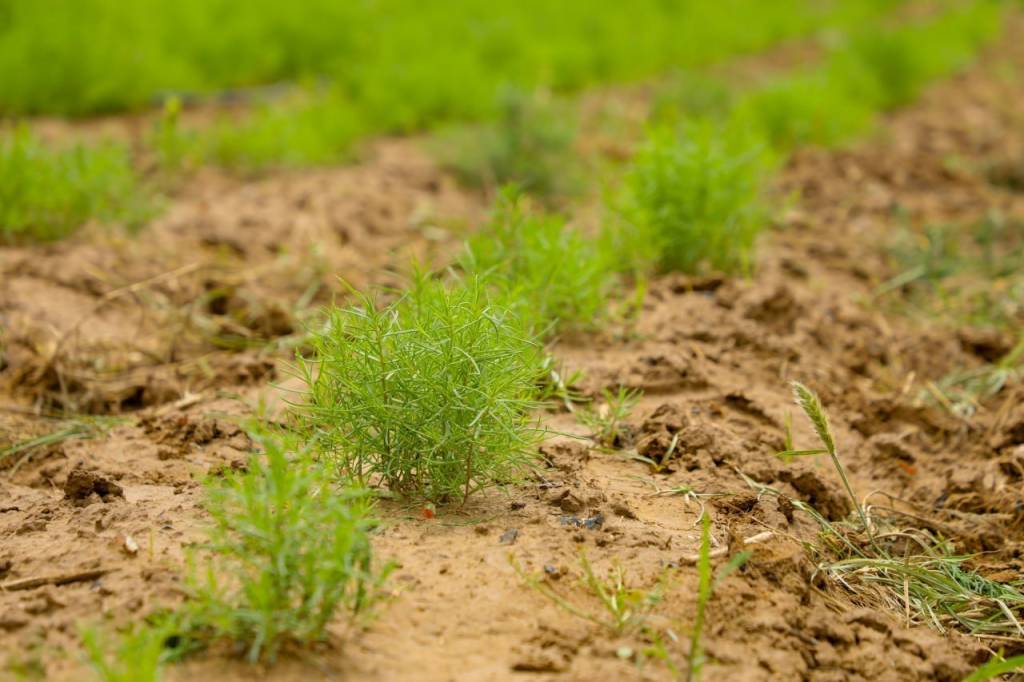
Today, the Uzbekistan – China Friendship Halophyte Garden is not only a scientific experimental site but also a vivid example of international environmental cooperation. The garden was established in cooperation with the Xinjiang Institute of Ecology and Geography of the Chinese Academy of Sciences, and scientific work is underway to adapt drought- and salinity-resistant plants to local climatic conditions. The fact that specialists have compiled a list of 122 halophyte species suited to local soil and climatic conditions, and that 1.3 tons of seeds of 35 species have been brought from China, demonstrates the high scientific potential of this project.
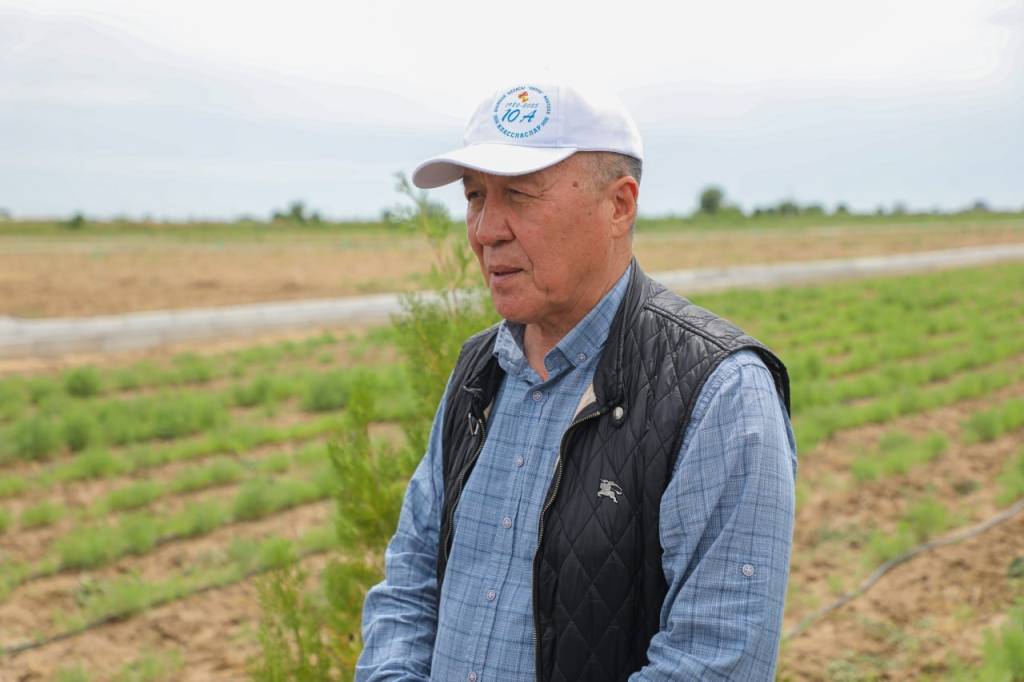
Thanks to the dedicated work of Sobir Qurbonov, head of Arnasoy district branch of the Forish State Forestry Enterprise, this area has transformed from an experimental testing site into a modern ecological laboratory in a short time. Seeds of 35 species from China have been planted to prevent soil salinization, combat desertification, and improve the land’s ecological conditions.
“We are not simply planting trees or plants here”, says Sobir Qurbonov. “In fact, we are creating an ecological shield for the future. Each halophyte plant being tested in Arnasoy today may help preserve the desert areas of Central Asia tomorrow. Unless we change our attitude toward nature, climate-related threats will know no borders. In this sense, this project serves not the interests of one country or one region, but the future of the entire region”.
Abdujalol Qayumov, UzA