


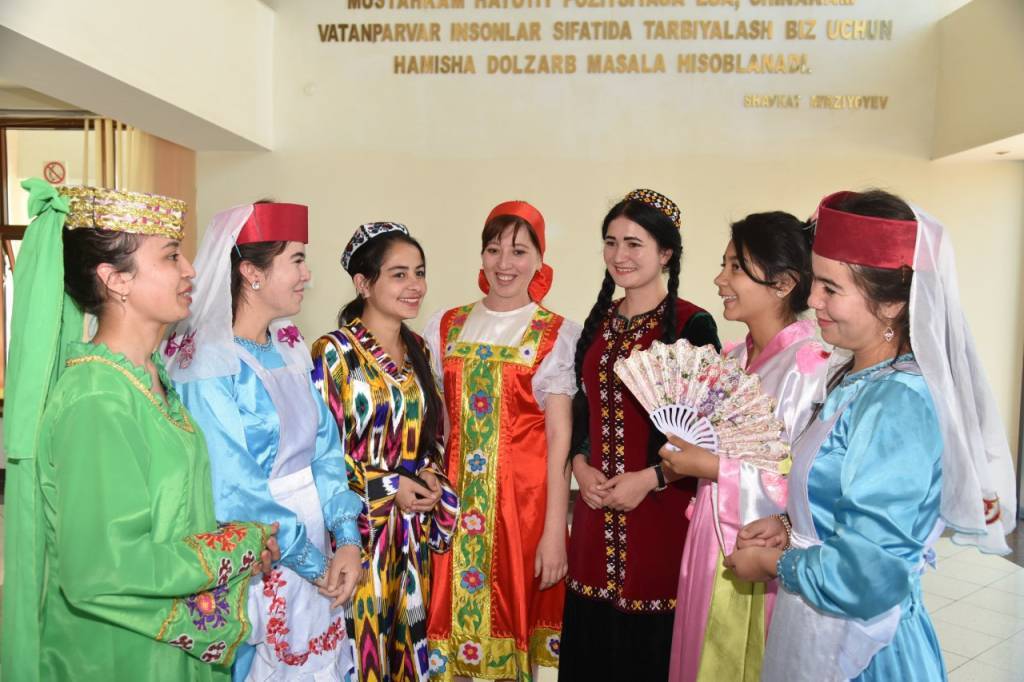
The People’s Friendship Day was celebrated at the Russian, Tajik, Kyrgyz, Kazakh, and Korean national cultural centers operating in the multiethnic Jizzakh region.
According to the United Nations, there are about 2,000 nations and ethnic groups in the world, speaking approximately 7,000 languages and dialects. The organization calls on states to strengthen cooperation based on the principles of tolerance and good neighborliness.
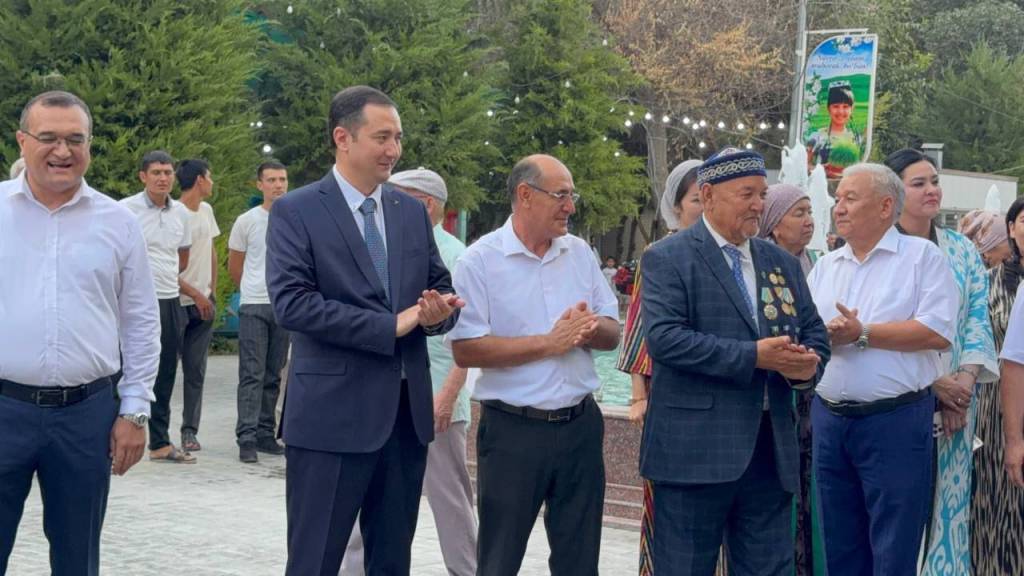
In Uzbekistan, representatives of more than 130 nations and ethnic groups reside. They freely celebrate their holidays and visit the national cultural centers operating in the country, which play an essential role in strengthening interethnic friendship.
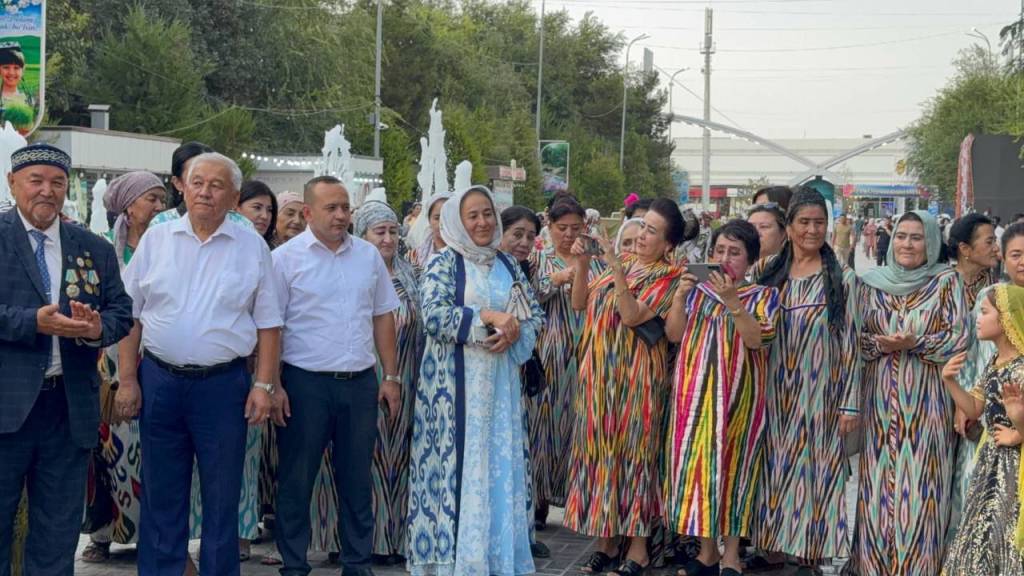
Interethnic harmony in Uzbekistan is the result of long-term state policy, which is enshrined in the country’s Constitution. Article 4 states that the Republic of Uzbekistan ensures respect for the languages, customs, and traditions of the nations and ethnic groups residing on its territory, while Article 8 establishes that all citizens have equal rights and opportunities regardless of their nationality.
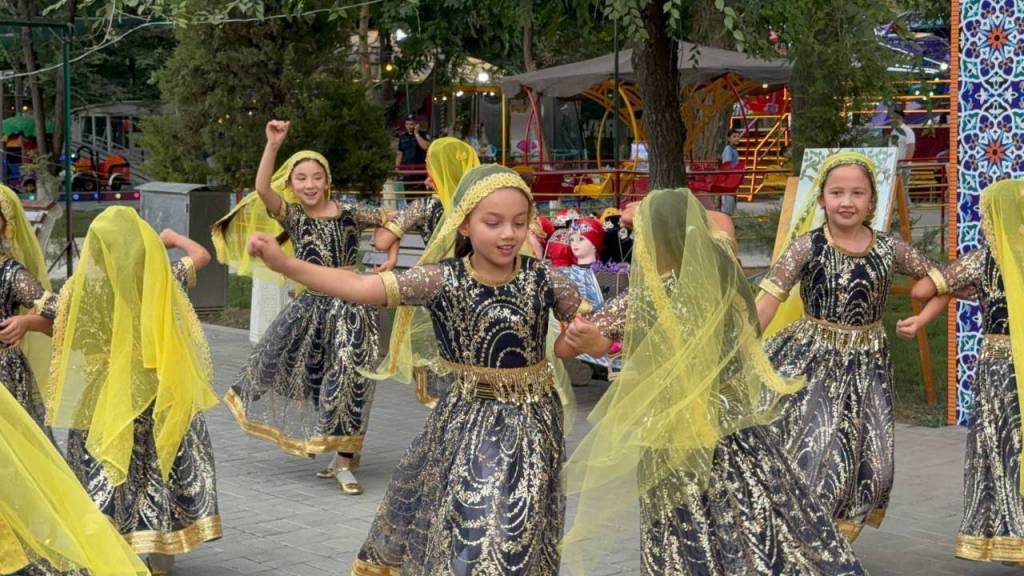
A practical example of such stability can be observed in Jizzakh region. According to government data for 2024, Uzbeks, Russians, Tajiks, Kazakhs, Tatars, Koreans, and representatives of other ethnic groups live in peace and harmony in the region. In Farish district alone, more than 7,000 Tajiks reside in Ukhum and Dustlik mahallas. The fact that general education schools offer instruction in both Uzbek and Tajik languages vividly demonstrates the attention given to this matter.
Activists of different nationalities presented concert programs showcasing their cultural heritage, national dances, and songs. Such events further strengthen the atmosphere of friendship, tolerance, and mutual respect in the region.
A. Qayumov, UzA