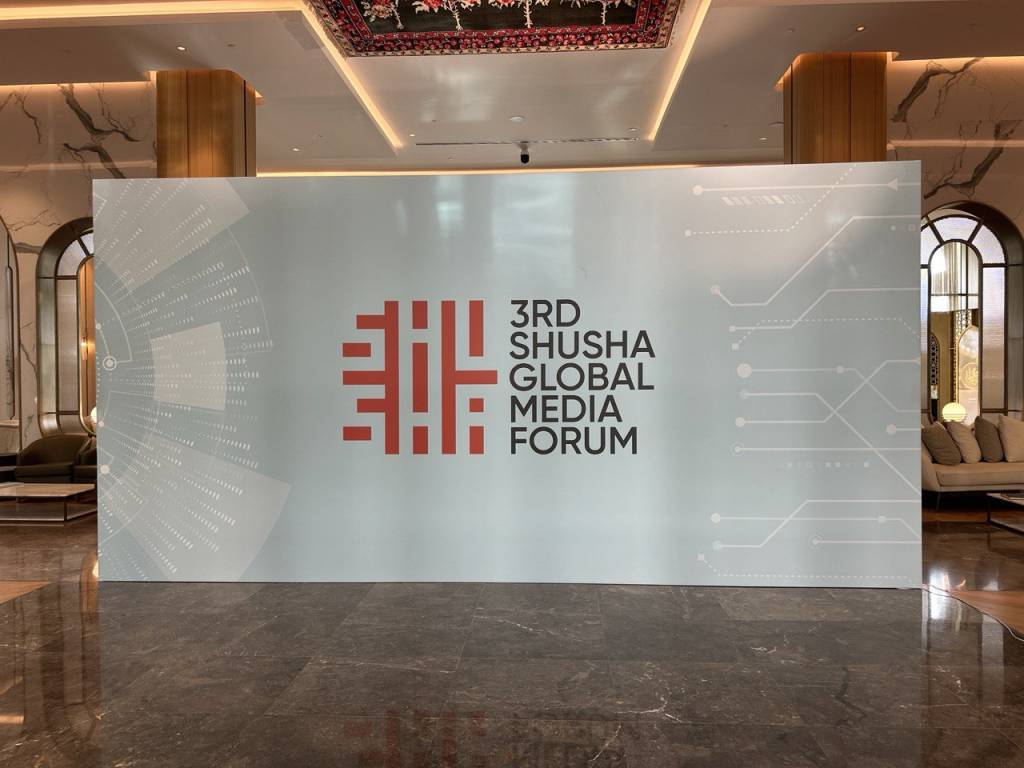
We found the answer to this question during the Shusha Global Media Forum.

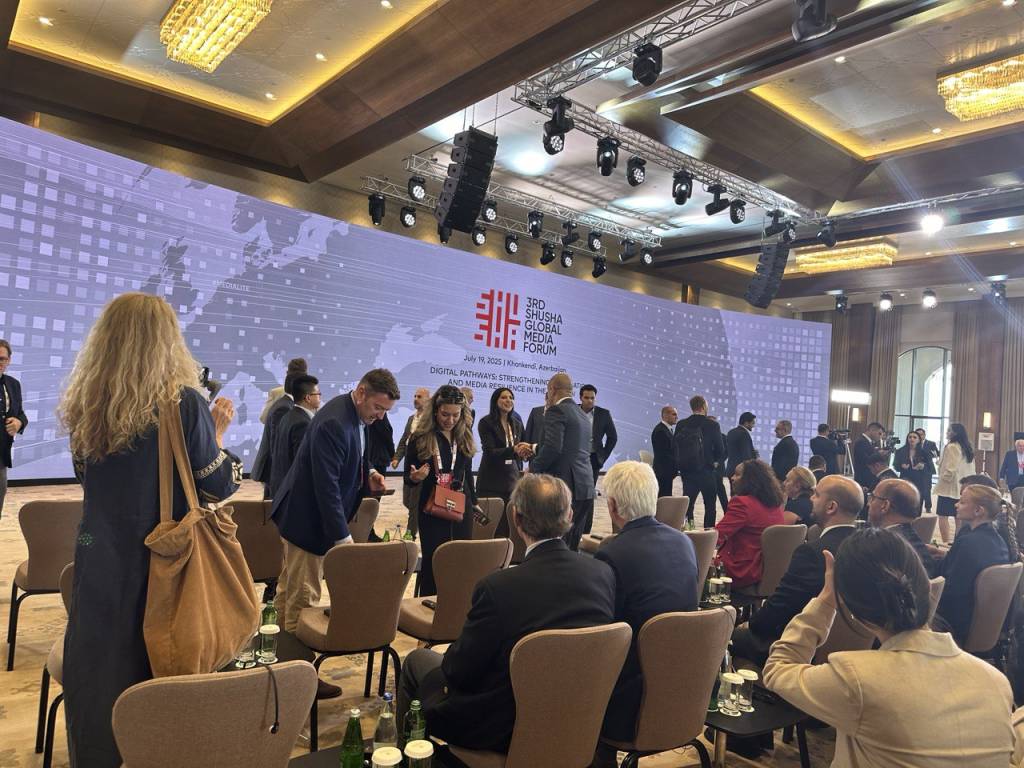
From July 19 to 21, the 3rd Global Media Forum was held in Azerbaijan’s Shusha under the theme “Digital Pathways: Strengthening Information and Media Resilience in the Age of AI”.

The event brought together approximately 200 media representatives, heads of news agencies and broadcasting companies, prominent journalists, and officials from government bodies and international organizations representing over 50 countries.
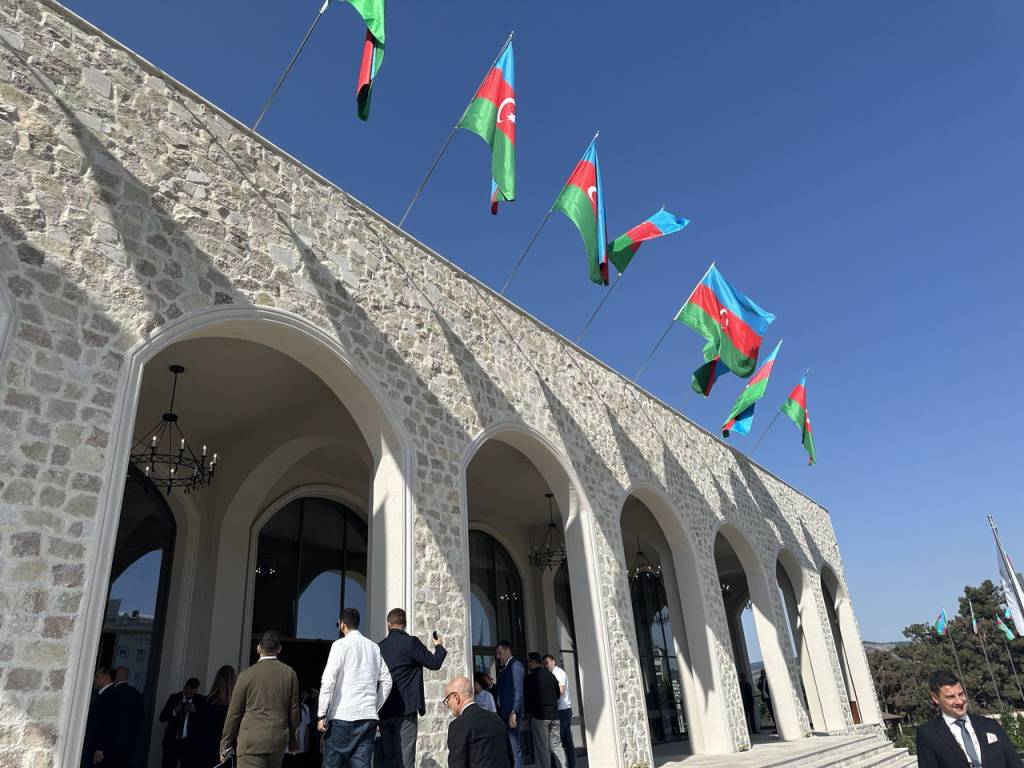
On the first day of the forum, the President of the Republic of Azerbaijan Ilham Aliyev answered questions from journalists. During the discussion, he spoke about the large-scale construction and improvement work carried out in recent years at the initiative of the Azerbaijani government in Karabakh, a region that had remained a contested territory for centuries, as well as the positive changes taking place in the region, the mood of the population, and upcoming development projects. President Aliyev emphasized that the cherished dream of the Azerbaijani people had come true, and that Karabakh had become an integral part of the country.
In response to journalists’ questions, the President shared his views on pressing global political issues. Special attention was given to the development of bilateral relations between the Republic of Azerbaijan and the Republic of Uzbekistan, as well as an analysis of the projects agreed upon during the state visit of the President of Uzbekistan to Azerbaijan in early July of this year. Additionally, prospects for deepening the strategic partnership were discussed. It is worth noting that the dialogue, which lasted nearly three hours, took place in a sincere and open atmosphere.

The second day of the media forum commenced with panel discussions centered on current issues in the media sphere. A group of experts, comprising world-renowned journalists, media executives, and representatives, exchanged views on the role of the media in modern society, key trends, and prospects for future development.
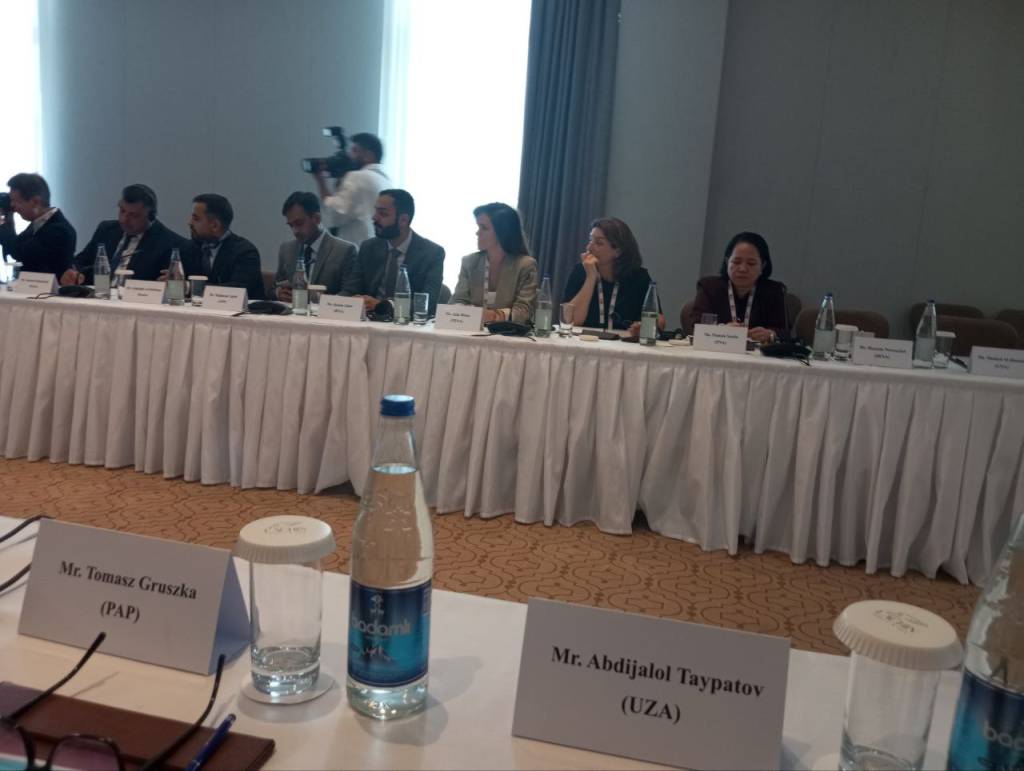
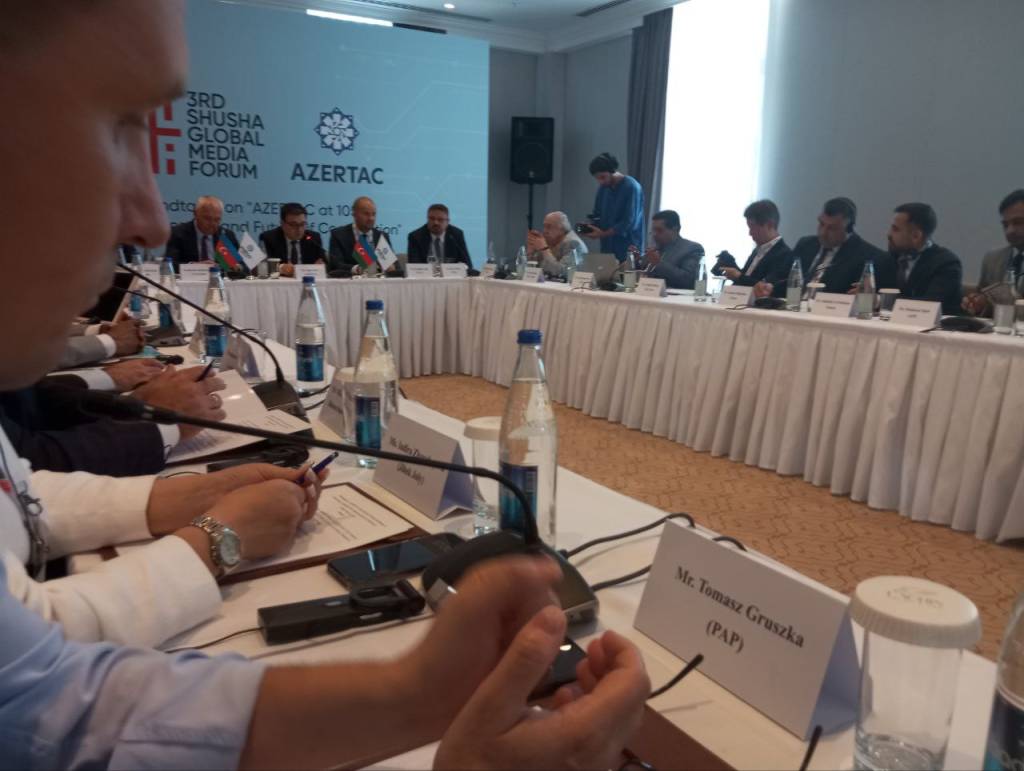
In honor of the 105th anniversary of the founding of the AZERTAC news agency, a roundtable was held on “Past, Present, and Future of Cooperation”. Participants from various countries discussed current challenges facing news agencies, as well as the impact of modern technologies on their development.

Issues such as the impact of artificial intelligence on content flow, media literacy in social networks, establishing ethical standards for digital platforms, and maintaining public trust in the media are becoming increasingly important today.
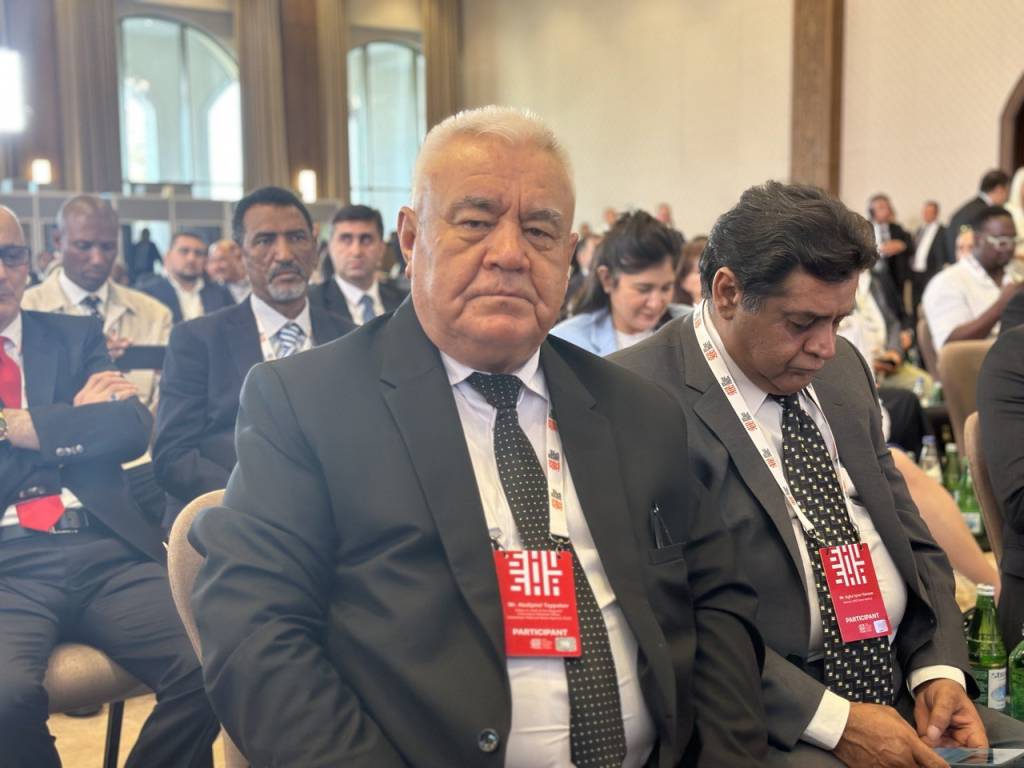
As part of the third day of the event, panel discussions were held. Experts and speakers addressed topics including media literacy in the digital age, media literacy as a guarantee of security, and the impact of social media development on public trust in information sources. Due to active audience participation, the panel sessions evolved into dynamic discussions and full-fledged master classes on journalistic practice.

On the same day, a Memorandum of Understanding and Cooperation was signed between the Azerbaijan State News Agency (AZERTAC) and Uzbekistan National News Agency (UzA).
A guided tour was organized to cultural and historical sites in the city of Shusha, the Karabakh Economic Region, and the Lachin district.

The Shusha Global Media Forum serves as a vital platform for combating disinformation, fostering public trust, ensuring information security, and promoting media literacy.

Abdujalol Taypatov, UzA

Azerbaijan, Shusha – Tashkent

English
Chinese
Turkish
Tajik
Kyrgyz
Turkmen
Japanese
Arabic
English
French
Spanish
Русский
German
Ўзбек
Oʻzbek
Қазақ
How should a journalist work in the modern world?

We found the answer to this question during the Shusha Global Media Forum.

From July 19 to 21, the 3rd Global Media Forum was held in Azerbaijan’s Shusha under the theme “Digital Pathways: Strengthening Information and Media Resilience in the Age of AI”.

The event brought together approximately 200 media representatives, heads of news agencies and broadcasting companies, prominent journalists, and officials from government bodies and international organizations representing over 50 countries.

On the first day of the forum, the President of the Republic of Azerbaijan Ilham Aliyev answered questions from journalists. During the discussion, he spoke about the large-scale construction and improvement work carried out in recent years at the initiative of the Azerbaijani government in Karabakh, a region that had remained a contested territory for centuries, as well as the positive changes taking place in the region, the mood of the population, and upcoming development projects. President Aliyev emphasized that the cherished dream of the Azerbaijani people had come true, and that Karabakh had become an integral part of the country.

In response to journalists’ questions, the President shared his views on pressing global political issues. Special attention was given to the development of bilateral relations between the Republic of Azerbaijan and the Republic of Uzbekistan, as well as an analysis of the projects agreed upon during the state visit of the President of Uzbekistan to Azerbaijan in early July of this year. Additionally, prospects for deepening the strategic partnership were discussed. It is worth noting that the dialogue, which lasted nearly three hours, took place in a sincere and open atmosphere.

The second day of the media forum commenced with panel discussions centered on current issues in the media sphere. A group of experts, comprising world-renowned journalists, media executives, and representatives, exchanged views on the role of the media in modern society, key trends, and prospects for future development.

In honor of the 105th anniversary of the founding of the AZERTAC news agency, a roundtable was held on “Past, Present, and Future of Cooperation”. Participants from various countries discussed current challenges facing news agencies, as well as the impact of modern technologies on their development.

Issues such as the impact of artificial intelligence on content flow, media literacy in social networks, establishing ethical standards for digital platforms, and maintaining public trust in the media are becoming increasingly important today.

As part of the third day of the event, panel discussions were held. Experts and speakers addressed topics including media literacy in the digital age, media literacy as a guarantee of security, and the impact of social media development on public trust in information sources. Due to active audience participation, the panel sessions evolved into dynamic discussions and full-fledged master classes on journalistic practice.

On the same day, a Memorandum of Understanding and Cooperation was signed between the Azerbaijan State News Agency (AZERTAC) and Uzbekistan National News Agency (UzA).

A guided tour was organized to cultural and historical sites in the city of Shusha, the Karabakh Economic Region, and the Lachin district.

The Shusha Global Media Forum serves as a vital platform for combating disinformation, fostering public trust, ensuring information security, and promoting media literacy.

Abdujalol Taypatov, UzA

Azerbaijan, Shusha – Tashkent