
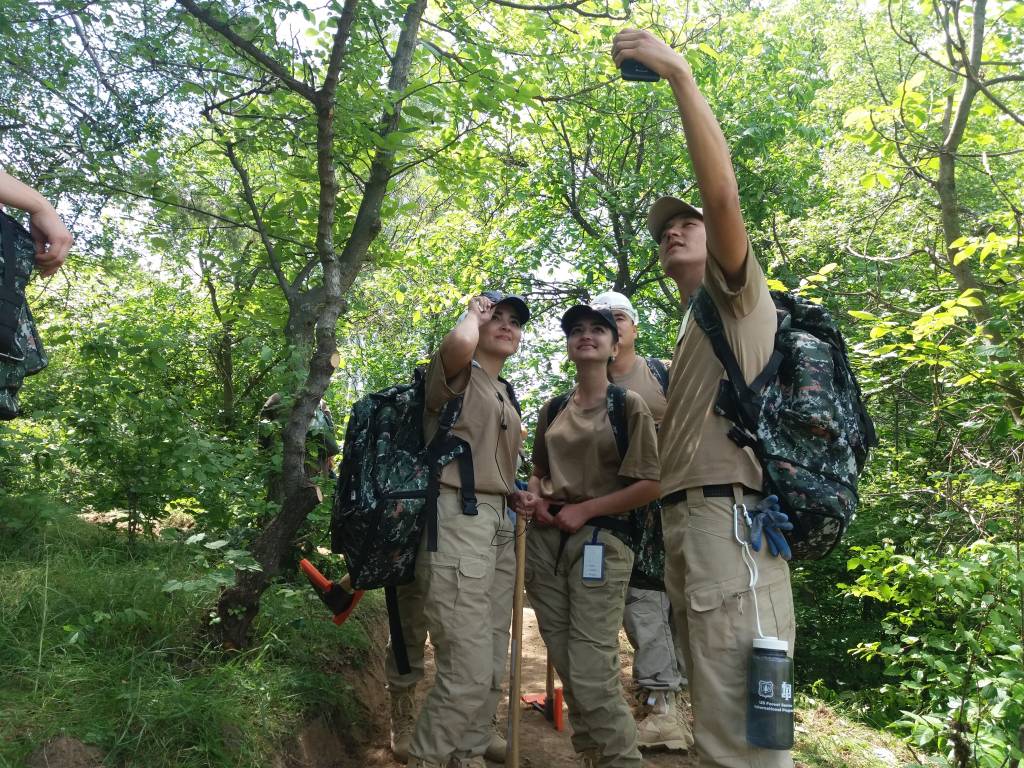
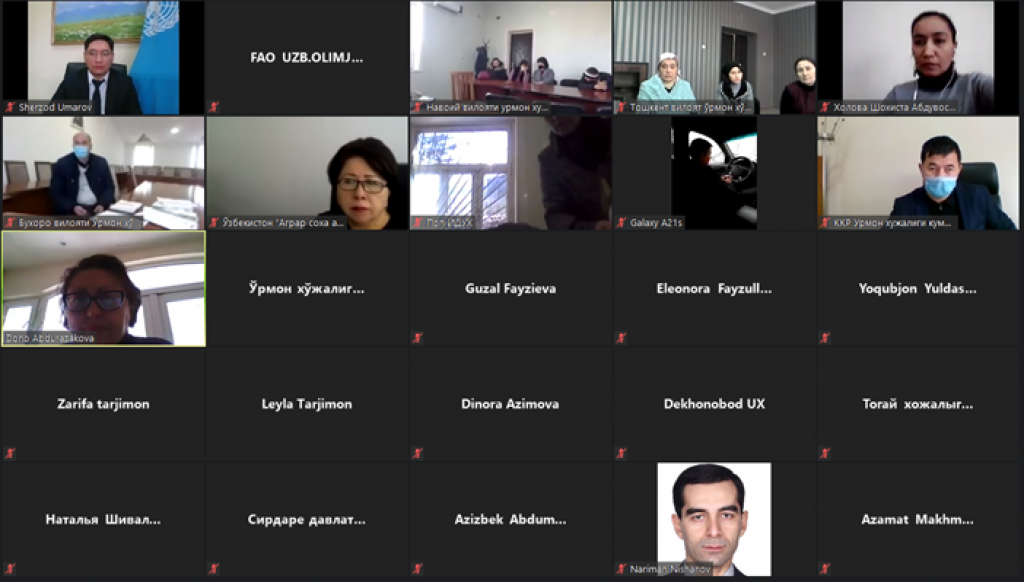
On 26 November 2020, Tashkent hosted online conference on the final discussions of the Gender Strategy of the State Forestry Committee of the Republic of Uzbekistan for 2021-2025 and Gender Action Plan for 2021-2022.

The documents were prepared within the framework of the FAO/GEF project «Sustainable management of forests in mountain and valley areas of Uzbekistan»

«In close cooperation with FAO, Uzbekistan has introduced the principles of gender equality in forest management policies and practices. One of the biggest achievements is development of the first long-term Gender Strategy of the State Forestry Committee of the Republic of Uzbekistan, which aims to achieve the goals of ecosystem conservation through sustainable and equitable rural development», emphasized Sherzod Umarov, Project Coordinator of FAO Representation in Uzbekistan.
The Gender Strategy sets specific goals to be achieved by 2025, namely at least 30% of women should have access to land, be users of land and forest resources (as tenants; owners of pasture lands, nurseries, apiaries or other productive resources managed by forestry enterprises) and be able to manage them. 

At least 30% of women should have access to services and markets to develop alternative sources of income based on forestry.

At least 30% of women should participate in decision-making, in formation of laws, policies and programs related to the forest sector of Uzbekistan.

The Gender strategy is based on the Laws of the Republic of Uzbekistan «On guarantees of equal rights and opportunities for women and men», «Оn protection of women from harassment and violence», as well as on the National Sustainable Development Goals. 

– Women from rural areas located in the forest sector should be widely involved in sustainable forest management, – says Olimjon Khakimov, FAO Technical Coordinator. – International experience shows that eliminating gender inequality in resource management, decision-making, and equal income generation play an important role in addressing the challenges of rural development, food security, and agricultural productivity.

The event was attended by FAO experts, specialists of the State Forestry Committee of the Republic of Uzbekistan, the Forestry Committee of the Republic of Karakalpakstan, regional forestry organizations, employees of the Ministry for Support of Mahallas and Families, representatives of non-government organizations, research institutes, as well as the administration of forestry organizations from 4 pilot areas of Uzbekistan.

The mechanism for Strategy’s implementation includes creation of an Advisory and Executive Council headed by an Authorized person. 

A detailed Gender Action Plan for 2021-2022 includes gender-related activities at the level of the Committee and regional forestry organizations.

English
Chinese
Turkish
Tajik
Kyrgyz
Turkmen
Japanese
Arabic
English
French
Spanish
Русский
German
Ўзбек
Oʻzbek
Қазақ
FAO initiates development of the Gender Strategy of the State Forestry Committee

On 26 November 2020, Tashkent hosted online conference on the final discussions of the Gender Strategy of the State Forestry Committee of the Republic of Uzbekistan for 2021-2025 and Gender Action Plan for 2021-2022.

The documents were prepared within the framework of the FAO/GEF project «Sustainable management of forests in mountain and valley areas of Uzbekistan»

«In close cooperation with FAO, Uzbekistan has introduced the principles of gender equality in forest management policies and practices. One of the biggest achievements is development of the first long-term Gender Strategy of the State Forestry Committee of the Republic of Uzbekistan, which aims to achieve the goals of ecosystem conservation through sustainable and equitable rural development», emphasized Sherzod Umarov, Project Coordinator of FAO Representation in Uzbekistan.

The Gender Strategy sets specific goals to be achieved by 2025, namely at least 30% of women should have access to land, be users of land and forest resources (as tenants; owners of pasture lands, nurseries, apiaries or other productive resources managed by forestry enterprises) and be able to manage them. 

At least 30% of women should have access to services and markets to develop alternative sources of income based on forestry.

At least 30% of women should participate in decision-making, in formation of laws, policies and programs related to the forest sector of Uzbekistan.

The Gender strategy is based on the Laws of the Republic of Uzbekistan «On guarantees of equal rights and opportunities for women and men», «Оn protection of women from harassment and violence», as well as on the National Sustainable Development Goals. 

– Women from rural areas located in the forest sector should be widely involved in sustainable forest management, – says Olimjon Khakimov, FAO Technical Coordinator. – International experience shows that eliminating gender inequality in resource management, decision-making, and equal income generation play an important role in addressing the challenges of rural development, food security, and agricultural productivity.

The event was attended by FAO experts, specialists of the State Forestry Committee of the Republic of Uzbekistan, the Forestry Committee of the Republic of Karakalpakstan, regional forestry organizations, employees of the Ministry for Support of Mahallas and Families, representatives of non-government organizations, research institutes, as well as the administration of forestry organizations from 4 pilot areas of Uzbekistan.

The mechanism for Strategy’s implementation includes creation of an Advisory and Executive Council headed by an Authorized person. 

A detailed Gender Action Plan for 2021-2022 includes gender-related activities at the level of the Committee and regional forestry organizations.