
As part of the Science, Technology, Engineering, Art, and Math (STEAM) Festival in Riyadh, an event was held to honor the legacy of Muhammad al-Khwarizmi, the great mathematician, astronomer, and geographer who lived and worked from the late 8th to the first half of the 9th century.

According to our news partner SPA, this event was organized under the patronage of King Salman as part of the country’s efforts to promote science and innovation.

At the event, special emphasis was placed on the contribution of the great scholar to the advancement of the scientific center in Baghdad – “Bayt al-Hikmah”. It was also noted that out of more than 20 works attributed to al-Khwarizmi, only 10 have survived.

“The goal of the event is to inspire students by showcasing Muhammad al-Khwarizmi’s achievements in mathematics, algebra, and algorithms, which laid the foundation for modern scientific and technological progress”, the author writes.

Muharrama Pirmatova, UzA

English
Chinese
Turkish
Tajik
Kyrgyz
Turkmen
Japanese
Arabic
English
French
Spanish
Русский
German
Ўзбек
Oʻzbek
Қазақ
Event in Saudi Arabia dedicated to the legacy of Muhammad al-Khwarizmi
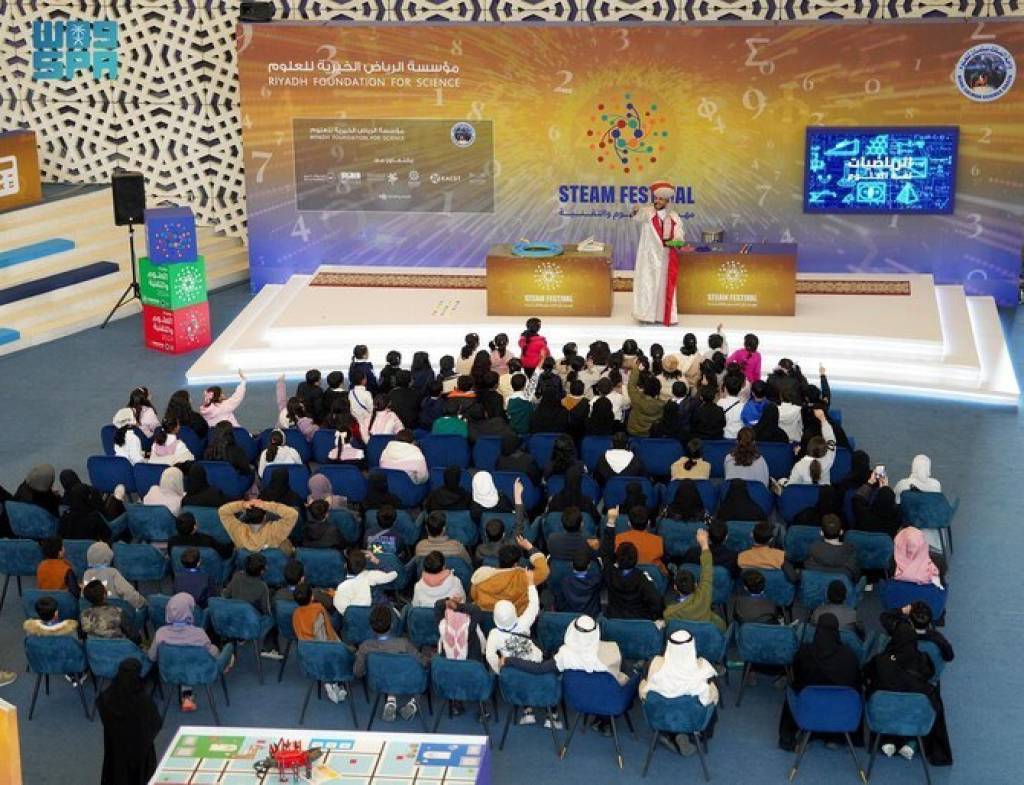
As part of the Science, Technology, Engineering, Art, and Math (STEAM) Festival in Riyadh, an event was held to honor the legacy of Muhammad al-Khwarizmi, the great mathematician, astronomer, and geographer who lived and worked from the late 8th to the first half of the 9th century.

According to our news partner SPA, this event was organized under the patronage of King Salman as part of the country’s efforts to promote science and innovation.
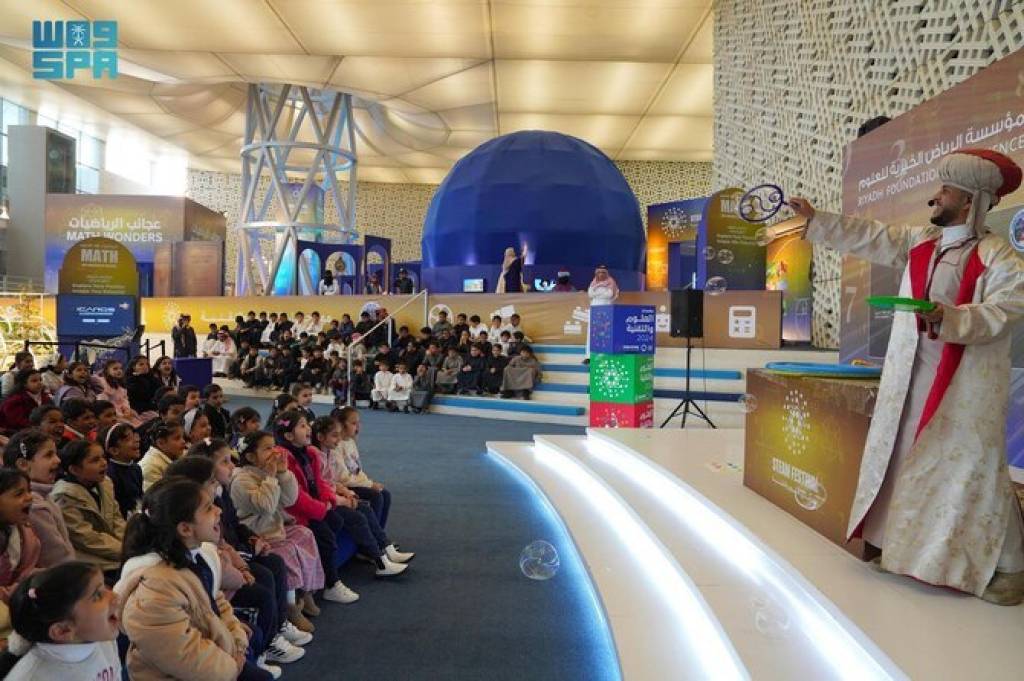
At the event, special emphasis was placed on the contribution of the great scholar to the advancement of the scientific center in Baghdad – “Bayt al-Hikmah”. It was also noted that out of more than 20 works attributed to al-Khwarizmi, only 10 have survived.
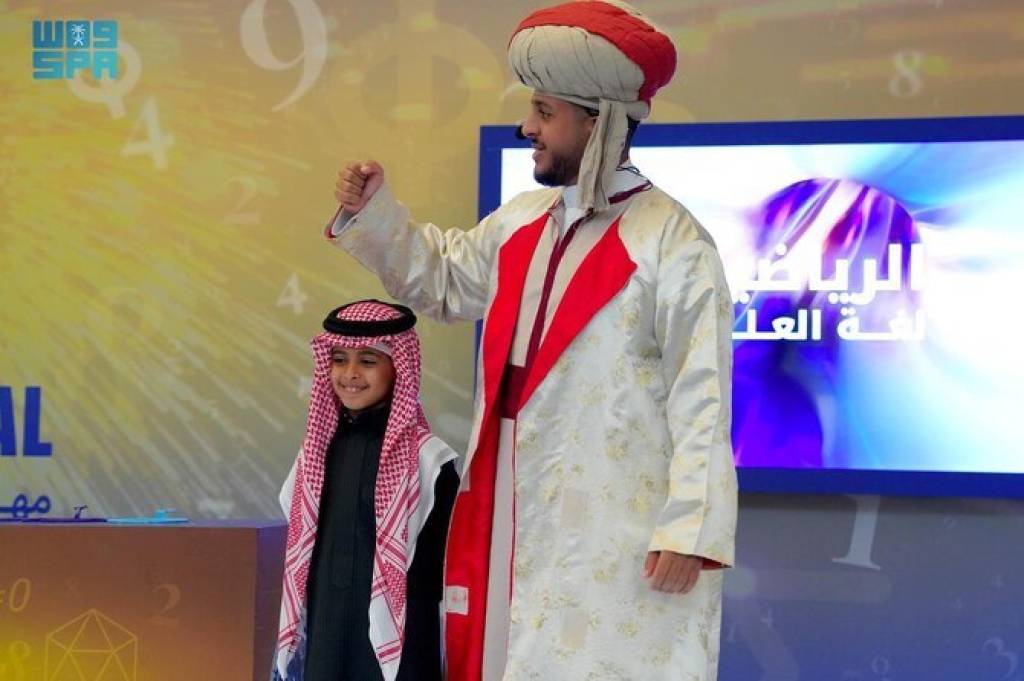
“The goal of the event is to inspire students by showcasing Muhammad al-Khwarizmi’s achievements in mathematics, algebra, and algorithms, which laid the foundation for modern scientific and technological progress”, the author writes.
Muharrama Pirmatova, UzA