


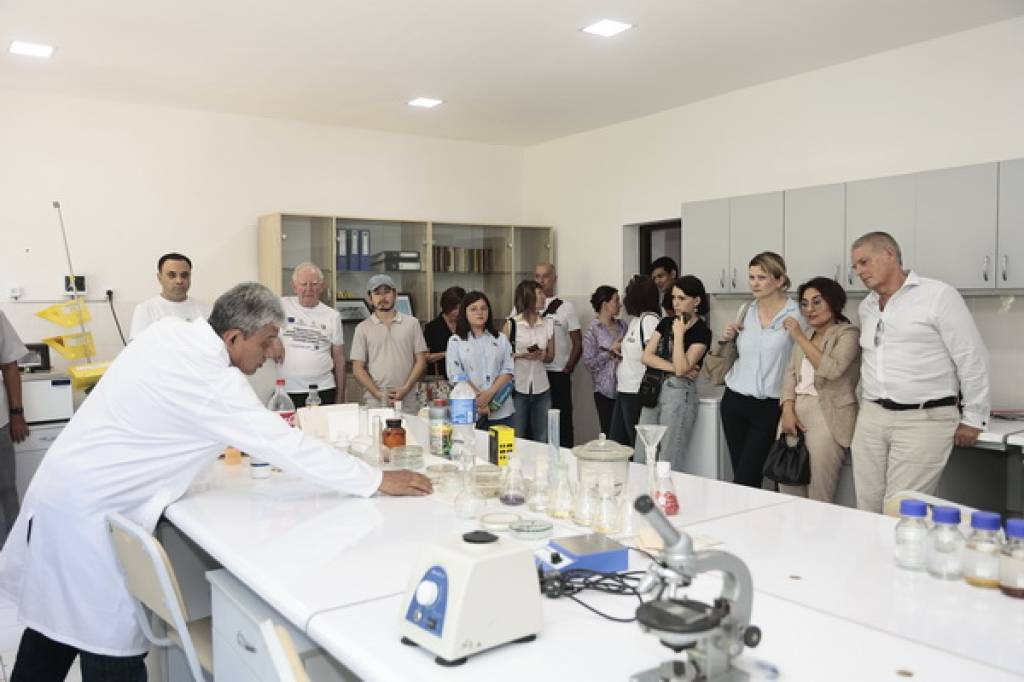
The European Union is supporting food security and food safety in Uzbekistan. As part of a much larger portfolio of assistance, this includes strengthening the capacity of Scientific Research Institutes (SRI) and plant quarantine and protection support services in the country.
Ensuring the availability of healthy, safe food is equally important for consumers in Uzbekistan and for enhancing the export potential of Uzbek agri-businesses. This was the message shared with journalists during a media tour of two EU-funded agri-food facilities in Tashkent region.
The EU has identified support for the development of Uzbekistan’s smart, eco-friendly agri-food sector and resilient rural livelihoods as a strategic priority for its bilateral relations. The EU is the largest grant provider in the agri-food sector.
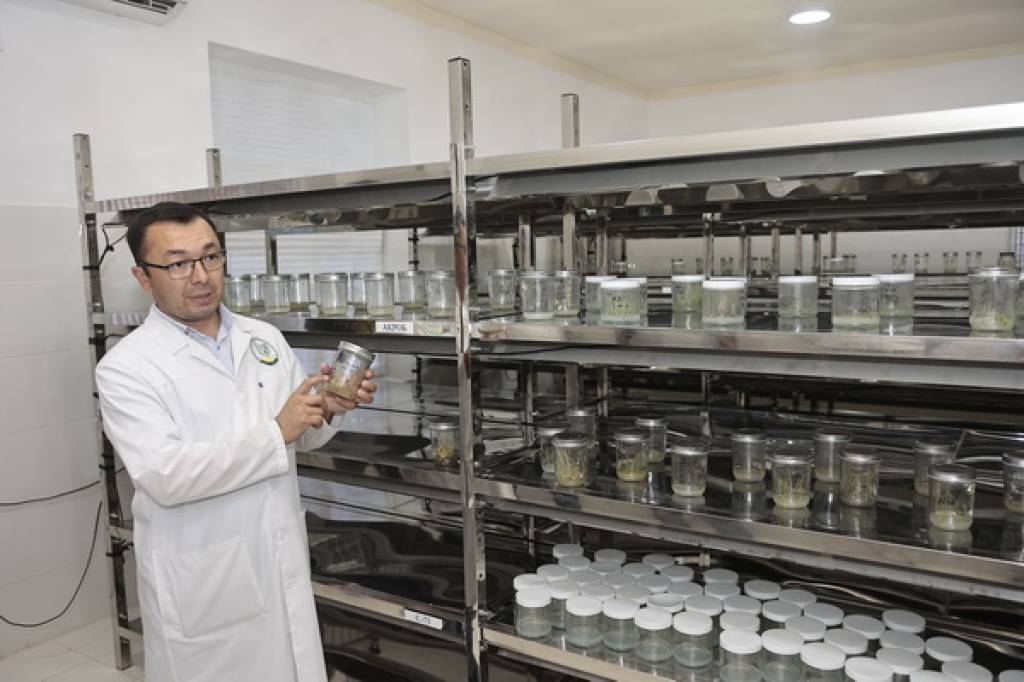
The European Union has granted over $5.8 million for the development of SRI facilities and laboratories in Uzbekistan within the flagship Horticulture Development Project (HDP). Overall 10 institutes across different regions benefited from modern equipment, and the transfer of new technologies, which provides a significant capacity boost for the Agriculture Knowledge and Innovation System and availability of testing services for farmers and agri-businesses.
“The European Union works with the Ministry of Agriculture of the Republic of Uzbekistan using different instruments such as grant budget support to assist the government in gradually shifting its expenditures towards new strategically important spheres like the development of research and support services for farmers and businesses”, said Danuta El Ghuff, a Programme Manager of the European Union Delegation to the Republic of Uzbekistan responsible for the agri-food sector.
“This is a very serious investment that needs to be done so the research institutes could fulfill their role in supporting the growth of agri-businesses and sustainable rural livelihoods”, added El Ghuff.
Facilitating more cooperation between farmers, agri-businesses, research institutes, and the government is among the primary aims of the HDP project. This cooperation is intended to accelerate the adoption of green technologies, which allow farmers to produce food in energy and water-efficient manner while also reducing costs. The EU grant assistance is important to ensure that new technologies and support services are affordable and available to all agricultural producers and agri-industry.
“We work in partnership with banks, research institutes, and governmental bodies to come up with programmes that can make a difference. The reason why the EU is focusing on agriculture is that this sector is the driving force of the economy and employment of Uzbekistan”, said Adrian Neal, an expert managing EU technical assistance in Uzbekistan’s agri-food sector.
During the media tour, journalists were invited to visit two sites. The first site was the Scientific-Research Institute of Vegetables, Melon Crops and Potato located in Tashkent region. The EU has provided just under $2.5 million in financial support for the modernisation of this SRI. This support was provided, as part of the Horticulture Development Project, in collaboration with the World Bank and the Ministry of Agriculture of Uzbekistan.
The SRI conducts a biochemical analysis of soil, vegetables, and fruits at its state-of-the-art laboratory, equipped with financial support from the EU. The EU’s support also included the funding necessary to provide additional training for 32 participants from regional laboratories in the modern methods and conditions for creating hybrids of vegetable and melon crops and obtaining high-quality seed materials. In addition, institute staff received 6-months of language instruction in English.
“Using new technology and applying the advice of international experts, our institute is developing new methods of growing vegetables. We are also breeding new varieties of vegetables, melons, and potatoes that are suited to the local climate. This is a key element for reducing import dependence and ensuring our food security”, said Fakhriddin Rasulov, the head of the laboratory and senior expert at the Scientific Research Institute of Vegetables, Melon Crops and Potato.
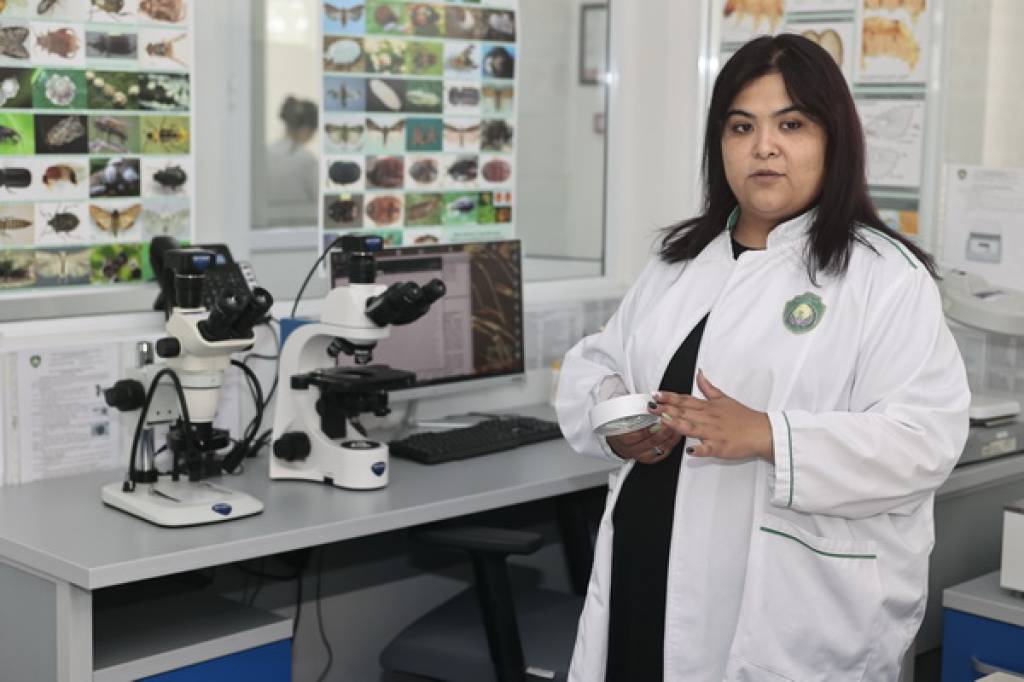
The media tour also included a visit to the Agency for Plant Protection and Quarantine, a state organization established in 2021 under the authority of the State Plant Quarantine Inspectorate. Like the SRI, the laboratory of the Agency for Plant Protection and Quarantine received financial support from the EU within the HDP project. To date, the EU has provided $1.4 million in funding to the agency to support these laboratory investments.
Each day, the agency receives around 500 samples for testing to ensure the safety of imported agricultural goods, as well as Uzbekistan’s produce. For imported products, the agency ensures that they undergo appropriate quality testing before being allowed for consumption by the Uzbek public. The agency also issues special certification that allows local producers to sell their food products abroad.
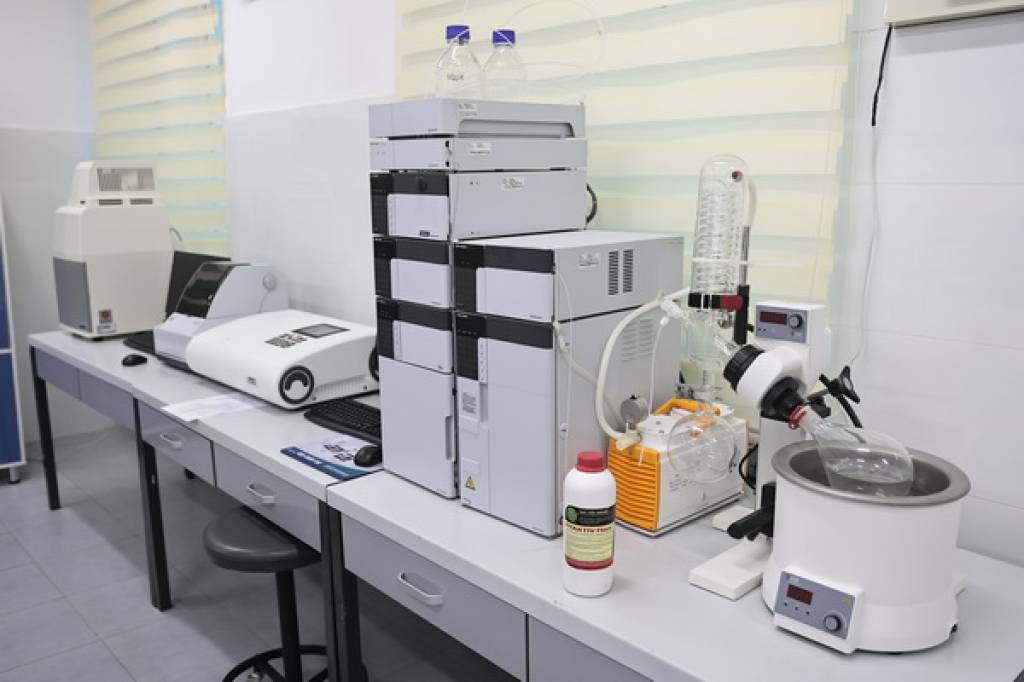
The EU funding supported the upgrading of the laboratory with the latest equipment from leading manufacturers, to improve the speed and reliability of product testing.
The EU’s strategic support for Uzbekistan’s agri-food sector has found new importance at a time when global concerns over food prices and food security are rising. As a major agricultural producer, Uzbekistan can serve as a model for how the modernisation of agricultural practices can help countries address global challenges facing the agri-food sector.
Sevara Khodjayeva, Head of the Laboratory of the Agency of Plant Protection and Quarantine, spoke about the activities of the Agency and the work carried out within the framework of this project.
– Every day, the agency receives about 500 samples for testing to ensure the safety of Uzbekistan’s imported and domestic agricultural products. With regard to imported products, the Agency guarantees that they pass the appropriate quality control before they are allowed for consumption by the population of Uzbekistan. European Union’s financial support has helped modernize the lab with the latest equipment from leading manufacturers to improve the speed and reliability of product testing.
Nasiba Ziyodullayeva, UzA