
Vobkent district of Bukhara region covers 22 mahalla citizens’ assemblies.

There are mausoleums, mosques, and places of worship for Khoja Mahmud Anjir Fagnavi, Khazira Chashma Ayub, Vobkent minaret, Mavlono Yakub Charkhi mosque, and ancient hammam. All this contributes to the development of the region’s tourism potential.
An ethnic-tourism village has been created in the Shirin mahalla, known for its originality, historical traditions, values, and local customs. Here, recipes for making dried fruits and national sweets are passed down from generation to generation and are engaged in this, as well as growing melons and making handicrafts.
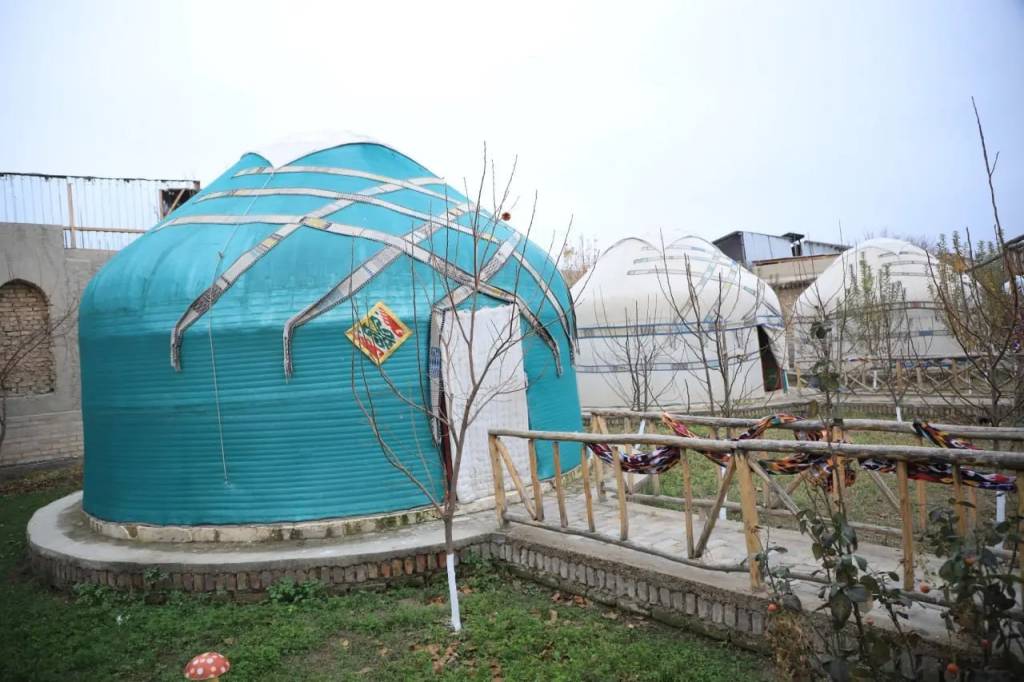
Tourists are interested in yurts and a separate pond that breeds cows, goats, chickens, ducks, turkeys, and hares. Entrepreneurs have built more than 20 guest houses, about 10 craft centers, and over 20 retail and catering outlets, which provide almost 30 types of services.
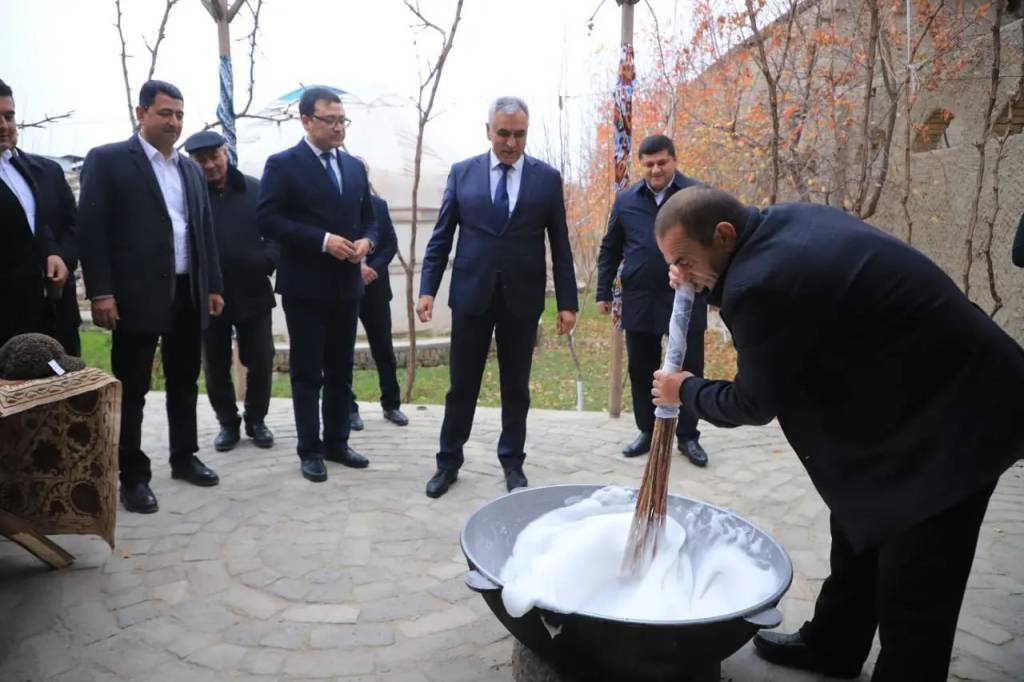
For many years, the daily activities of rural artisans and confectioners, the secrets of gold embroidery, and the process of preparing delicious national dishes have been objects of admiration. The village has become one of the famous places for foreign tourists.
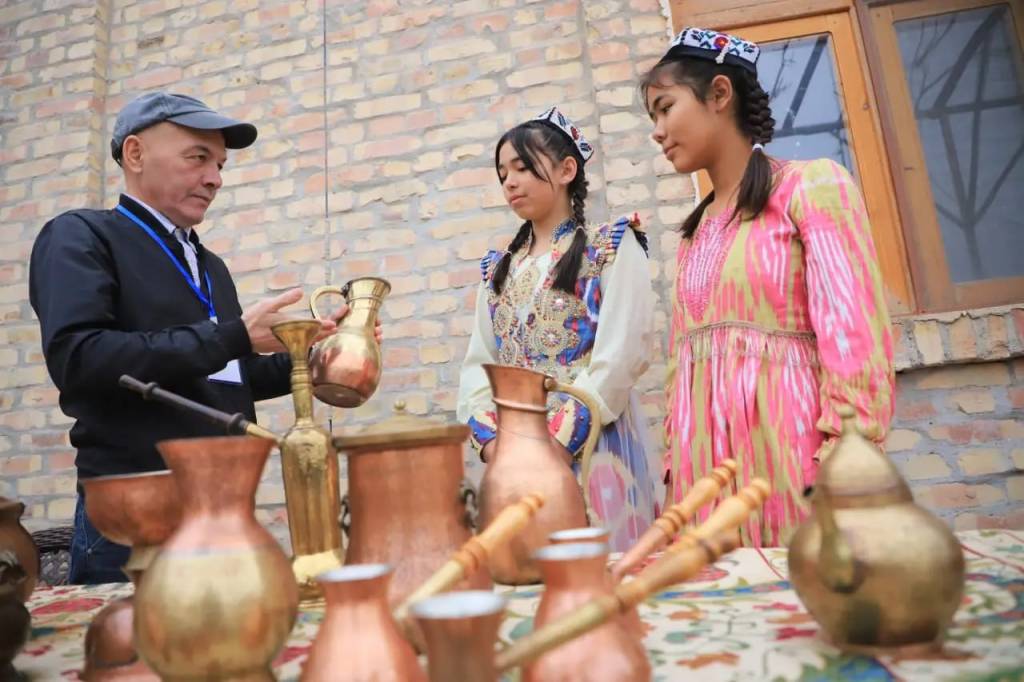
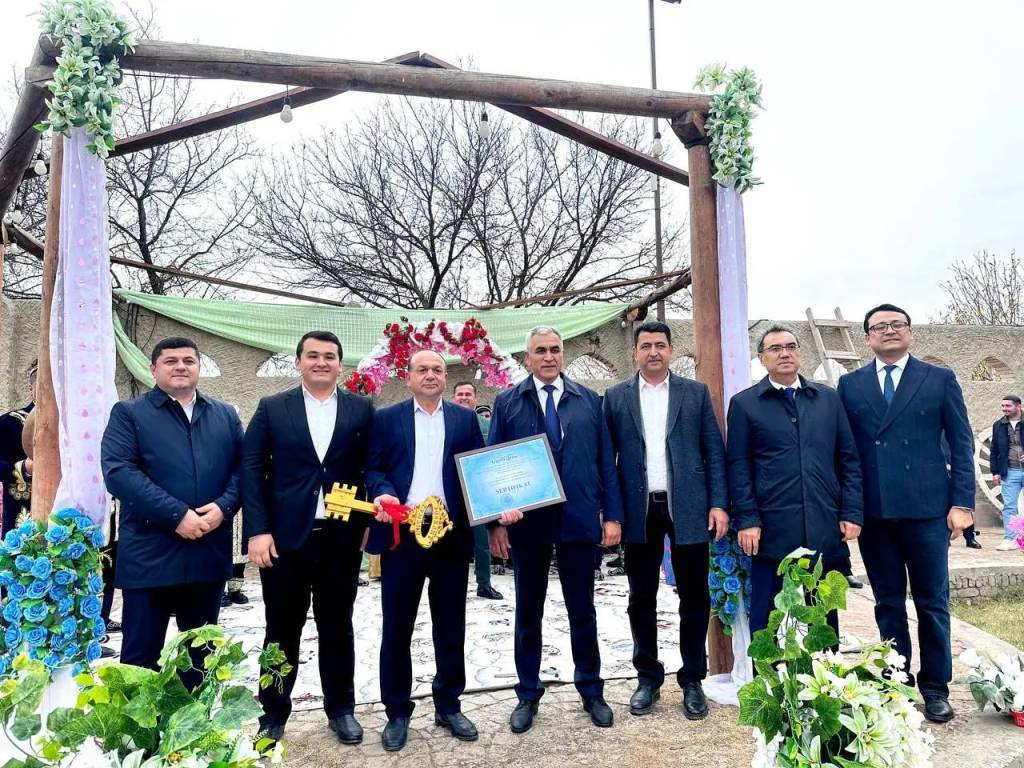
An event was organized to give the village of Shirin the status of “Ethno-tourism”.
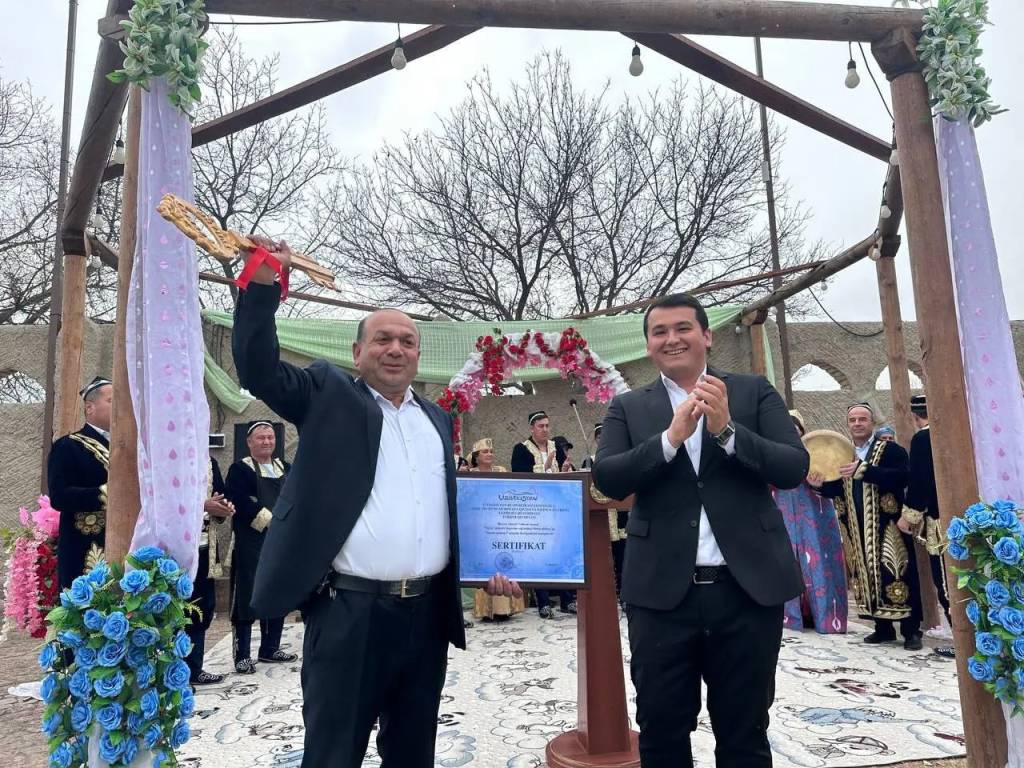
At the event, it was noted that the Shirin Ethno House’s activities must be developed, horse and camel rides organized, the work of the ancient stone mill established, and products such as confectionery promoted.

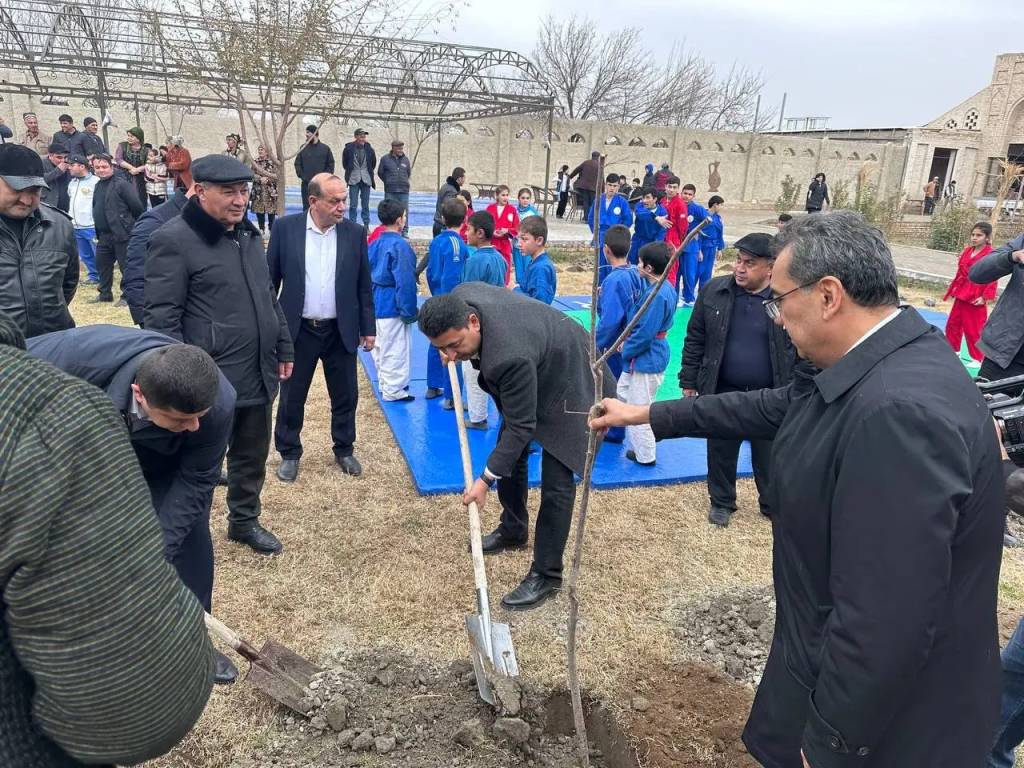
At the event, the participants planted seedlings for landscaping the ethnic village.

Zarif Komilov, UzA

English
Chinese
Turkish
Tajik
Kyrgyz
Turkmen
Japanese
Arabic
English
French
Spanish
Русский
German
Ўзбек
Oʻzbek
Қазақ
Ethno-tourism village in Vobkent

Vobkent district of Bukhara region covers 22 mahalla citizens’ assemblies.

There are mausoleums, mosques, and places of worship for Khoja Mahmud Anjir Fagnavi, Khazira Chashma Ayub, Vobkent minaret, Mavlono Yakub Charkhi mosque, and ancient hammam. All this contributes to the development of the region’s tourism potential.

An ethnic-tourism village has been created in the Shirin mahalla, known for its originality, historical traditions, values, and local customs. Here, recipes for making dried fruits and national sweets are passed down from generation to generation and are engaged in this, as well as growing melons and making handicrafts.

Tourists are interested in yurts and a separate pond that breeds cows, goats, chickens, ducks, turkeys, and hares. Entrepreneurs have built more than 20 guest houses, about 10 craft centers, and over 20 retail and catering outlets, which provide almost 30 types of services.

For many years, the daily activities of rural artisans and confectioners, the secrets of gold embroidery, and the process of preparing delicious national dishes have been objects of admiration. The village has become one of the famous places for foreign tourists.

An event was organized to give the village of Shirin the status of “Ethno-tourism”.

At the event, it was noted that the Shirin Ethno House’s activities must be developed, horse and camel rides organized, the work of the ancient stone mill established, and products such as confectionery promoted.

At the event, the participants planted seedlings for landscaping the ethnic village.

Zarif Komilov, UzA