Environmental Monitoring at the Nuclear Power Plant
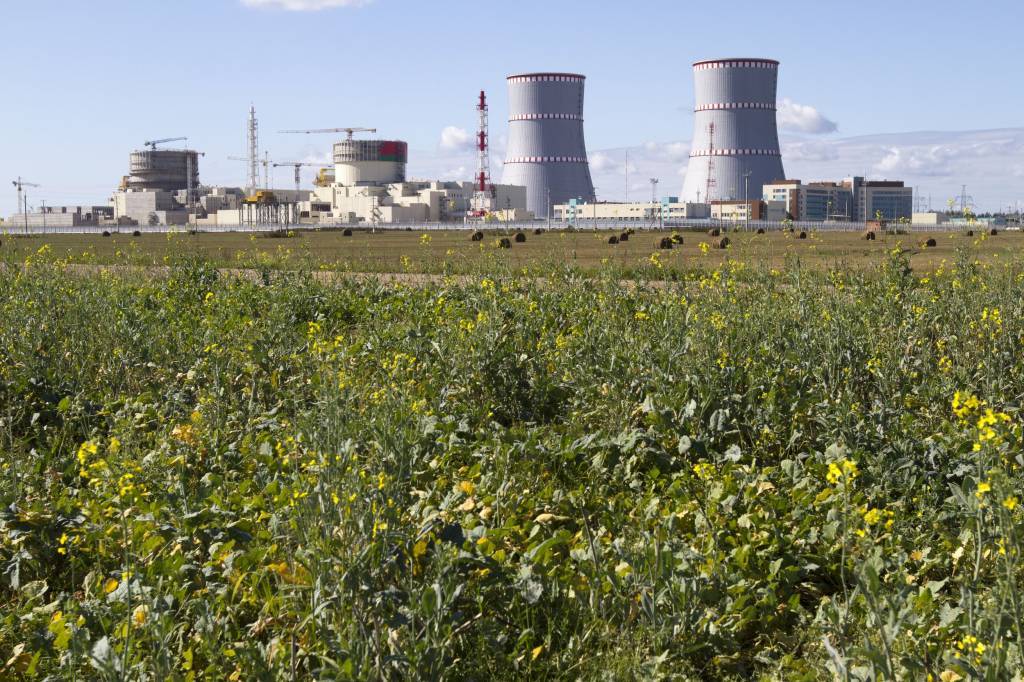
Uzbekistan has entered the practical phase of implementing its first major nuclear energy project. In June this year, construction began on the first power unit of a nuclear power plant in Jizzakh region. The project includes plans to build two high-capacity VVER-1000 reactors and two small RITM-200N reactors.
Large-scale infrastructure projects of this nature prioritize environmental factors. A thorough system for monitoring and managing environmental conditions is being implemented to guarantee safety.
Formation of a Special Expert Group
Typically, designated monitoring zones are established around nuclear power plants and are accompanied by a radiation monitoring system. Regular measurements are taken of radiation levels in water, air, soil, and vegetation. Additionally, radiation levels in agricultural products are checked, and the potential impact on the population is evaluated.
Uzbekistan has started the necessary work in this sector. In May, a dedicated expert team was formed to conduct a state environmental review of the impact assessment materials for the nuclear power plant project. According to the Center for State Ecological Expertise, the team comprises local experts and specialists from specialized Belarusian institutions. They will carry out an in-depth analysis of atmospheric air, water resources, soil, flora and fauna, hydrogeological and seismological conditions, and consider proposals discussed during public hearings.
International Experience and Environmental Monitoring
In line with the International Atomic Energy Agency’s approaches, environmental protection issues should be considered at the earliest stages of new nuclear power programs. This process begins with site selection and extends through environmental impact assessment, construction, and the facility’s entire operational period. Establishing the initial environmental and radiological baseline before the plant is commissioned is particularly important, as all subsequent monitoring results will be compared with these initial indicators.
Belarus has a notable track record in this field. Its first nuclear power plant, featuring a VVER-1200 reactor, was constructed using a Russian design and now produces roughly 40 percent of the nation’s total electricity.
A comprehensive radiological and environmental monitoring system has been set up around the plant. As per the 2024 monitoring report, agricultural product indicators within the monitoring zone remained at or below the initial “zero” radiation baseline levels established during the plant’s construction.
The Belarusian nuclear power plant features an automated radiation monitoring system with stations that have sensors to measure gamma radiation levels and perform spectrometric analysis. Belhydromet’s dosimetric stations regularly monitor gamma radiation daily. The data gathered within the plant’s influence zone are automatically sent to operational centers.
The United Arab Emirates’ experience is especially relevant for countries with warm climates. At the Barakah Nuclear Energy Plant, a radioecological monitoring program was established before fuel was loaded into the first power unit. These monitoring results are now published biannually.
Monitoring involves both measuring background radiation and thoroughly analyzing environmental conditions. The semi-annual reports document findings on soil, air, seawater, groundwater, and drinking water. Additionally, the health of fish and other living organisms within the plant’s influence area is evaluated. All collected data are submitted to the authority overseeing nuclear activities in the UAE.
Key Areas of Environmental Monitoring at Nuclear Power Plants
International experience demonstrates that environmental monitoring is a vital and fundamental part of projects related to constructing and operating nuclear power plants.
In this context, several key tasks must be prioritized for the successful implementation of Uzbekistan’s first nuclear power project. These tasks include establishing the initial environmental and radiological baseline within the project area, implementing an automated monitoring system for ongoing environmental oversight, setting up laboratory monitoring, considering local climatic and hydrogeological conditions that could impact the project, and ensuring that information is transparent and accessible to the public.
Nasiba Ziyodullayeva, UzA