Eldaniz Gusseinov: “The Termez Dialogue is a step toward institutionalizing regional cooperation”
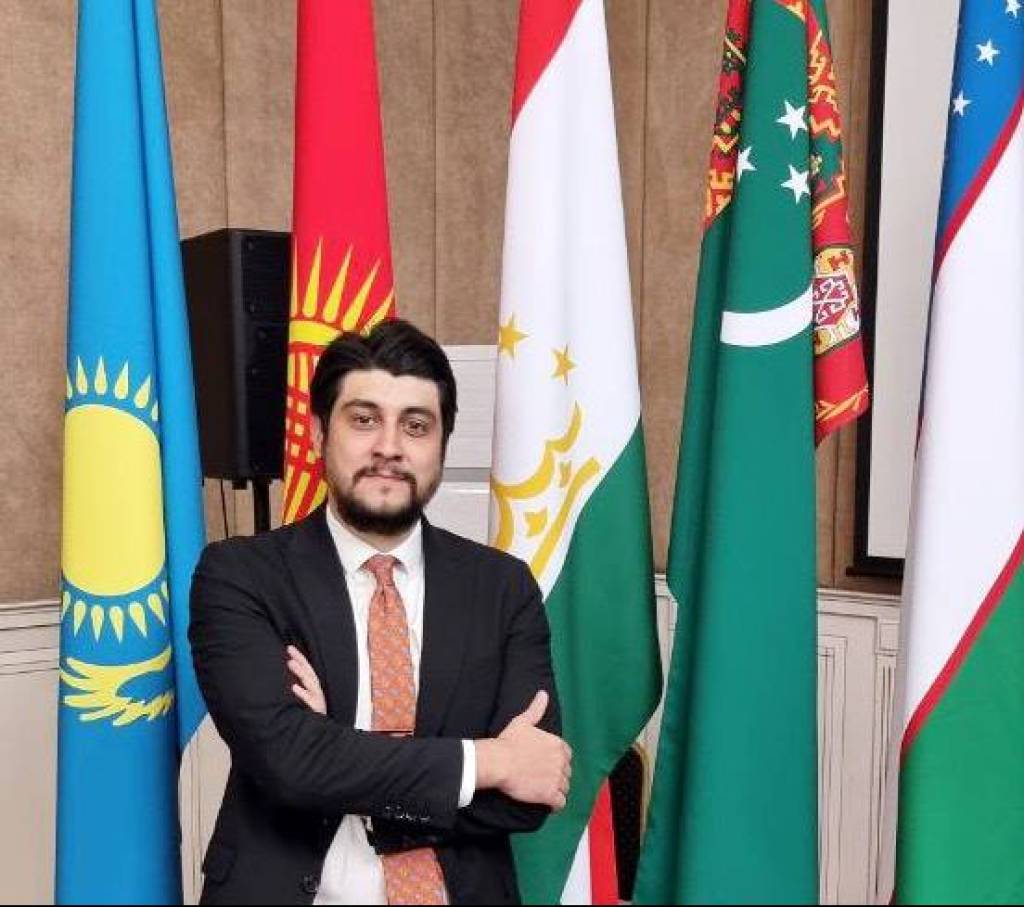
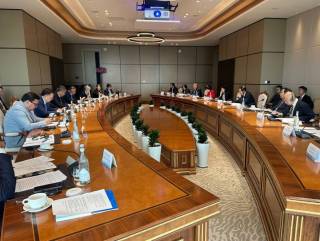
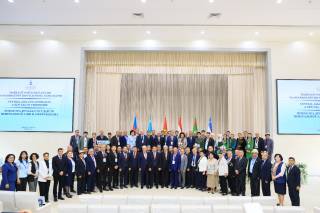
As is known, the Termez Dialogue on connectivity between Central and South Asia was held in Termez from May 19 to 21. The forum brought together politicians, diplomats, experts, and public figures from both macro-regions. In an interview with UzA correspondent, Eldaniz Gusseinov, Research Fellow at the Haydar Aliyev Center for Eurasian Studies at Ibn Haldun University, shared his views on the significance of the dialogue, Uzbekistan’s role, and the prospects for interregional cooperation.
– In your opinion, how relevant is the Termez Dialogue in the current geopolitical context?
– The Termez Dialogue has proven highly relevant due to establishing a sustainable platform for multilevel engagement between Central and South Asia. It is a unique occasion where representatives of foreign ministries, chambers of commerce and industry, and experts from various fields gathered on one platform. Concrete projects involving almost all Central Asian countries and Afghanistan were discussed. Most importantly, the focus was placed on dialogue, which, according to many participants, needs to be developed and institutionalized. I would also like to express my sincere gratitude to the organizers for the invitation and the opportunity to participate in such a meaningful discussion.
– According to many experts, amid global crises, connectivity, cooperation, and trust between regions are becoming key pillars for ensuring the security and stability of countries. In this context, how important is it to strengthen interaction between Central and South Asia?
– This interaction is critically important, but the key lies in moving from general declarations to implementing concrete projects. In this regard, Uzbekistan sets a strong example, be it the “Airitom” economic zone or the Training Center for Afghan citizens in Termez. These are real steps that build trust and establish a sustainable agenda.
– Central Asia demonstrates a high level of internal consolidation. Can this contribute to the development of ties with South Asia?
– Absolutely. Strengthening internal consolidation in Central Asia is key to expanding cooperation with South Asia. Strategic regional connectivity projects are essential in the context of intensifying geopolitical competition and the fragmentation of global supply chains, as they provide Central Asian countries with access to new and sizable markets. With its rapidly growing economy and population, South Asia represents one such vital direction. At the same time, it is essential to understand that the interests of Central Asian countries and those of external actors do not always align. In this context, regional consolidation not only helps minimize the risks of intra-group competition but also enables the development of a more balanced and coordinated policy toward major external powers. Joint promotion of infrastructure projects and foreign policy initiatives strengthens the region’s negotiating position and allows it to speak with one voice in dialogue with partners from South Asia.
– What role does Uzbekistan play in the development of interregional ties?
– Uzbekistan has already become a key participant in connectivity processes. Since 2021, the conceptual foundations for interaction have been established following the international conference in Tashkent and the adoption of the UN resolution initiated by President Shavkat Mirziyoyev. It is essential to keep moving forward: developing trade houses, educational centers, and a joint chamber of commerce and industry. I would even suggest launching cultural initiatives under the motto: “Central and South Asia: What Unites Us?”, because our regions share a common historical heritage that deserves to be explored and brought to light. I felt this connection’s depth only after visiting the archaeological museum in Termez.
– Expanding trade and economic relations directly depend on developing transport and energy connectivity. In this regard, countries of the region are advancing interregional projects such as CASA-1000, TAPI, and the Trans-Afghan Corridor, which strengthen cooperation between the two regions. In your opinion, what political and economic opportunities do these projects create for Central and South Asia?
– These initiatives generate not only economic opportunities but also political momentum. Every infrastructure project involves logistics, networks, materials, and jobs. It sets off dozens of chains of interaction. Moreover, through Central Asia, Eurasian connectivity is currently taking shape, and the region’s stability is gaining global significance.
– Afghanistan, located between Central and South Asia, is a connecting link. How do you assess its role in the process of regional connectivity?
– Geographically, Afghanistan indeed occupies a strategic position between the two regions, and its potential role in ensuring regional connectivity remains significant. However, it is essential to emphasize that Afghanistan’s participation in regional initiatives is not an exclusive prerequisite for success. Central Asian countries are already actively working to diversify routes and strengthen ties with South Asia, including through the development of corridors via Iran, China, and the Caspian region. Nevertheless, the stabilization of Afghanistan would provide an additional impetus for accelerating integration processes. A stable and predictable situation in Afghanistan would open up new opportunities for transit logistics, energy, and trade projects, such as railway routes, pipelines, and power lines connecting Central and South Asia. Afghanistan’s participation in these initiatives has the potential to fundamentally reshape international investors’ perception of the entire region. Some investors still view proximity to Afghanistan as a source of instability and risk. However, if Central Asian countries continue to pursue coordinated and proactive diplomacy to engage Afghanistan in regional economic processes, it could significantly shift the current investment narrative. Moreover, developing necessary infrastructure and signing agreements with South Asian partners to facilitate the movement of goods and services would greatly enhance Central Asia’s attractiveness as a vital bridge between two rapidly developing regions.
– Can Termez become not only a geographical but also a cultural bridge between the regions?
– Absolutely. It is precisely here that cultural events highlighting the unity of Central and South Asia should be held. An annual designation such as “Cultural Capital of Central Asia” could be established, and Termez would soon be a strong candidate for that title. It is a place with a unique historical and cultural heritage. I would propose organizing youth leadership forums, festivals, and academic conferences here. Additionally, involving neighboring regions of Tajikistan, Turkmenistan, and Afghanistan in joint cultural projects within and beyond Surkhandarya region would be worthwhile. All of this would form a strong foundation for expanding interregional connectivity.
Interviewed by Aziza Alimova, UzA