Economic cooperation between Uzbekistan and Russia within the CIS
Uzbekistan and Russia are key economic partners in the Commonwealth of Independent States (CIS). Their relationship spans trade, industrial cooperation, energy, interregional ties, and humanitarian cooperation.
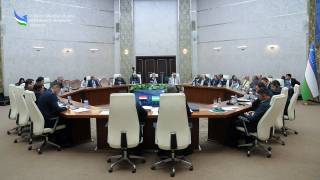
Cooperation is developing on two levels: bilateral and multilateral. At the bilateral level, the Intergovernmental Commission on Economic Cooperation and the Council of Regions are actively involved. On October 6, 2026, the Commission held its 27th meeting in Fergana. The meeting resulted in the signing of its protocol and the Strategy for Scientific and Technological Development of Russia and Uzbekistan for 2026-2040.
At the multilateral level, Uzbekistan cooperates within the CIS and the Eurasian Economic Union (EAEU). The Supreme Eurasian Economic Council granted the Republic of Uzbekistan observer status at the EAEU. On October 1, 2024, the Government of Uzbekistan and the Eurasian Economic Commission signed a Joint Action Plan for 2024-2026. At the same time, Uzbekistan’s leadership advocates making CIS mechanisms more effective. At a meeting of the CIS Council of Heads of Government, Prime Minister Abdulla Aripov called for improving the free trade area’s effectiveness. This position reflects the country’s commitment to developing economic ties with the Russian Federation and other countries in the region without becoming a full member of the integration bloc.
Bilateral trade trends
Trade turnover remains the main indicator of economic relations. In 2025, bilateral trade totaled $13 billion, up 8.4% from the previous year. Exports of Uzbek products increased by 12.2% to $4.4 billion.
The positive trend continued in 2026. Trade turnover reached $7 billion in the first half of the year, 15.7% higher than in the same period the previous year. It totaled $8.1 billion in January-July, up 11.8%. In the first eight months, trade grew by 10%, with turnover exceeding $9 billion.
The 2026 targets are higher than current figures. First Deputy Prime Minister of the Russian Federation Denis Manturov cited a $14 billion target, while Uzbekistan expressed its intention to raise bilateral trade to $15 billion.
The Russian Federation is one of Uzbekistan’s largest trading partners. From January to August 2026, Uzbekistan’s foreign trade turnover reached $57.4 billion. China accounted for the largest share (23%), followed by Russia (16%), Kazakhstan (6.5%), Türkiye (3.4%), and Afghanistan (2.5%). Russia ranks second overall and remains Uzbekistan’s leading trading partner among CIS countries.
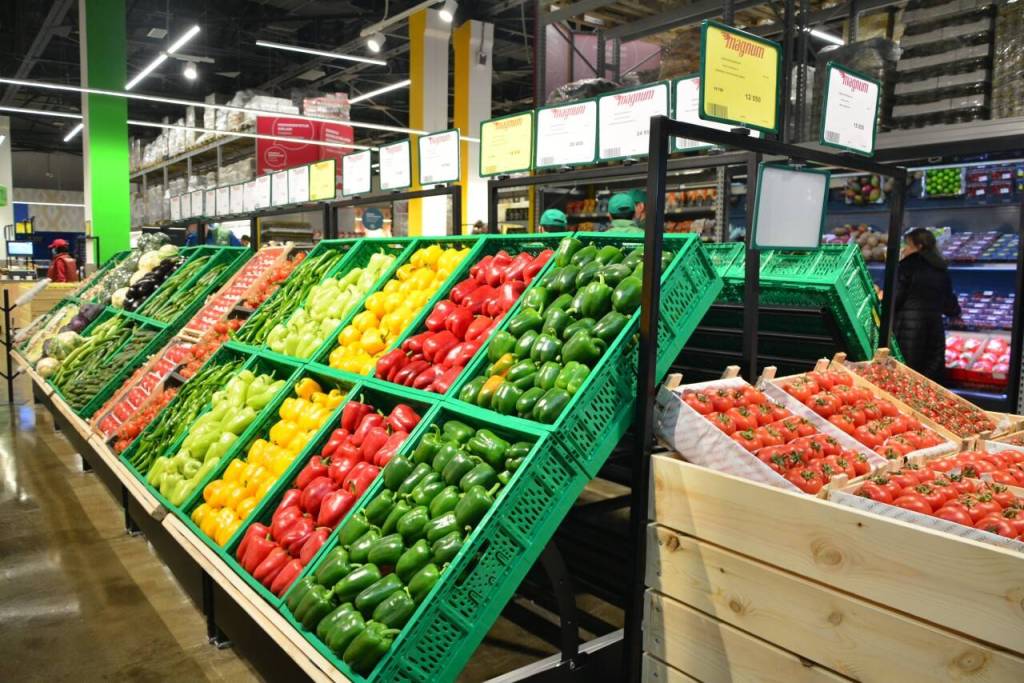
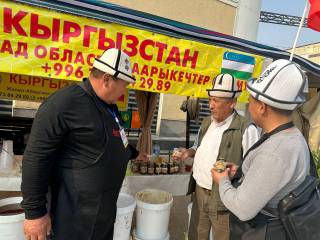
The agricultural sector has recorded the most significant growth. Trade in agricultural products rose 31.7% to $1.55 billion by July 2026, driven mainly by exports of fruits, vegetables, and nuts. Russia remains one of the main destinations for Uzbekistan’s fruit and vegetable exports.
Cooperation is gradually moving from trade in goods toward joint production. In 2026, 16 joint production facilities are set to launch in the chemical, agricultural processing, and metalworking sectors. The largest energy project is the construction of a nuclear power plant in Jizzakh region, alongside training national specialists and localizing equipment and services.
Trade between the two countries has grown steadily over the past two years.
Orash Akaboyev, UzA