
This year, relations between Uzbekistan and China, which have reached the level of an all-weather comprehensive strategic partnership, continue to strengthen dynamically across all areas. Active political dialogue at the highest level is accompanied by record growth in trade and investment, the implementation of large-scale infrastructure projects, the expansion of cooperation in education and science, and the deepening of humanitarian ties.

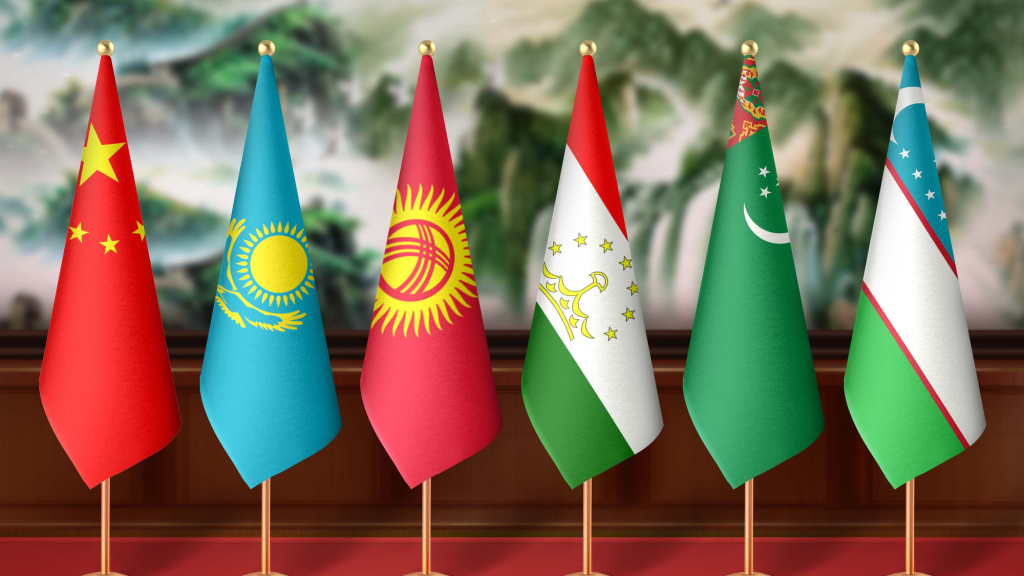
The culmination of this trend will be the upcoming second “Central Asia – China” summit, scheduled for June 17 in Astana. The summit is expected to provide additional momentum to institutionalize regional cooperation, develop transport and energy corridors, coordinate efforts in security, and jointly oppose protectionism.

Political Dialogue

During the first half of 2025, there has been a sustained high level of bilateral engagement and exchange of visits between Tashkent and Beijing. On April 1, President Shavkat Mirziyoyev received a delegation from the People’s Republic of China led by Liu Jianchao, Head of the International Department of the Central Committee of the Communist Party of China. During the meeting, both sides expressed particular satisfaction with the highest level of Uzbekistan – China relations achieved in recent years, consolidated in an all-weather comprehensive strategic partnership format. It was emphasized that regular high-level contacts have supported this progress. Since 2017, the President of Uzbekistan, Shavkat Mirziyoyev, has paid three state and four working visits to China. The two countries’ leaders also meet regularly on the sidelines of international events. This active “leader-level diplomacy” has established a solid foundation for advancing all areas of bilateral cooperation.

During the April meeting with the Chinese delegation in Tashkent, both sides reaffirmed their mutual commitment to further expanding multifaceted cooperation in line with the agreements reached at the highest level. The steady increase in bilateral trade and investment was noted, along with the growing number of joint projects and enterprises involving leading companies in key sectors of the economy. Among other initiatives, practical work is underway to construct the China – Kyrgyzstan – Uzbekistan railway. Special attention is being paid to strengthening interregional ties and cultural and humanitarian exchange – this year, another Regional Forum and an Education Forum are scheduled to take place. Additionally, priorities include the expansion of inter-parliamentary and inter-party cooperation in areas such as poverty reduction, anti-corruption, digitalization, and industrialization, as well as enhanced collaboration in education, including establishing branches of leading Chinese universities in Uzbekistan.

A significant event was the dialogue between the heads of the foreign ministries. On April 25, on the sidelines of the “Central Asia – China” ministerial meeting in Almaty, Uzbekistan’s Minister of Foreign Affairs Bakhtiyor Saidov held talks with Wang Yi, Member of the Political Bureau of the CPC Central Committee, Director of the Office of the Central Commission for Foreign Affairs, and Minister of Foreign Affairs of the People’s Republic of China. The meeting was substantive and forward-looking, covering a broad range of topics – from trade and connectivity to regional security and international cooperation. “We are grateful to China for its consistent support of Uzbekistan’s development agenda and for our shared commitment to building a more prosperous, stable, and interconnected region”, noted the Minister of Foreign Affairs of Uzbekistan, emphasizing the two sides’ agreement to maintain the strong momentum of bilateral relations.

In addition to contacts at the executive level, intergovernmental ties have also intensified. On June 1-2, the second Uzbekistan – China Interregional Forum was held in Samarkand, where participants discussed ways to stimulate cooperation between the two countries’ regions. In Tashkent, Prime Minister Abdulla Aripov met with a Chinese delegation led by Shen Yueyue, Vice Chairwoman of the National Committee of the Chinese People’s Political Consultative Conference (CPPCC). The Chinese side conveyed warm messages from the President of the People’s Republic of China and the CPPCC leadership, emphasizing that bilateral cooperation has now reached an unprecedented level of comprehensive strategic partnership, largely thanks to the trusting and brotherly relationship between the two heads of state. It was again reaffirmed that Beijing consistently supports Uzbekistan’s sovereignty, territorial integrity, and national interests. The two sides discussed measures to expand bilateral relations in trade and economy, transport and logistics, industry, cultural and humanitarian cooperation, and science and technology.

Trade and Economic Cooperation

China is currently Uzbekistan’s largest trading partner. According to the National Statistics Committee, bilateral trade volume between the two countries reached $4.2 billion from January to April 2025. Russia ranks second with $3.7 billion, followed by Kazakhstan with $1.4 billion. Bilateral trade continues to grow steadily: in 2024, it exceeded $13 billion, and both sides aim to raise this figure to $20 billion in the coming years. At the same time, there remains considerable potential for increasing Uzbekistan’s exports to the Chinese market. In the first four months of 2025, exports amounted to approximately $608.8 million (the second highest after exports to Russia), while imports from China exceeded $3.6 billion. This trade structure reflects Uzbekistan’s significant demand for Chinese equipment, technology, and goods and China’s growing interest in specific categories of Uzbek products.

Investment cooperation has also reached unprecedented levels. The total volume of Chinese investments in Uzbekistan’s economy from 2017 to 2024 amounted to $14 billion. China confidently leads among foreign investors: in the first quarter of 2025, it accounted for 33 percent of all foreign investments and loans attracted to the country, three times the share of the next largest investor, Russia, which contributed around 10 percent.   

Statistical data indicate that as of spring 2025, over 3,500 enterprises with Chinese capital are registered in Uzbekistan, more than any other country (by comparison, there are about 3,000 Russian-funded companies and around 1,900 Turkish companies). In the past year alone, several hundred new joint ventures have been established, reflecting a diversification of cooperation areas.

The main drivers of economic partnership include energy, industrial cooperation, high technology, and agriculture. Major projects are being implemented in metallurgy, the chemical and textile industries, and construction. A key financial mechanism supporting investment initiatives was opening a regional office of the Export-Import Bank of China in Tashkent in November 2024. This office is intended to facilitate the financing of joint projects and boost the development of new investment directions. Another indicator of the strong level of collaboration in infrastructure financing was the annual meeting of the Board of Governors of the Asian Infrastructure Investment Bank held in Samarkand in September 2024, where Uzbekistan and China served as co-authors of key initiatives.

Business contacts at the regional level are also intensifying. Within the framework of the Uzbekistan – China Interregional Forum in Samarkand, several new agreements were signed between the two countries’ regions. In particular, on June 2, a Cooperation Agreement was signed between Uztemiryulkonteyner JSC and a logistics company from Gansu province, providing for the development of container transport along the China – Kyrgyzstan – Uzbekistan route and the launch of the first container block train from Uzbekistan to China via Kyrgyzstan. These agreements aim to promote direct ties between business communities and facilitate mutual trade and investment conditions.

Transport and Infrastructure

A strategic Uzbekistan – China project aimed at enhancing transport and logistics connectivity is the construction of the China – Kyrgyzstan – Uzbekistan railway, which is intended to link the regions of Central Asia with western China directly. The groundbreaking ceremony for this railway took place on December 27, 2024, with the participation of the leaders of all three countries – President of Kyrgyzstan Sadyr Japarov, President of the People’s Republic of China Xi Jinping, and President of Uzbekistan Shavkat Mirziyoyev – each of whom emphasized the strategic significance of the project in their remarks. Thanks to effective coordination among the parties, work on key railway segments began ahead of schedule. On April 29, 2025, construction of several major facilities of the future railway was officially launched in Kyrgyzstan’s Jalal-Abad region.

The new railway, stretching approximately 532 kilometers, will be an engineeringly complex structure – nearly 40 percent of the route will pass through tunnels and over bridges in mountainous terrain. On the Kyrgyz section, which exceeds 300 kilometers, the construction of 48 bridges and 27 tunnels is planned, requiring substantial technical resources and investment. More than 20,000 specialists are expected to be involved in implementing the project. Once operational, the railway is expected to significantly reduce cargo distance and delivery time between China and the Central Asian region while opening up new transit opportunities to more distant markets. Representatives of Uzbekistan Railways emphasize that the construction of this railway will provide a powerful impetus to the development of trade, industry, tourism, investment, and innovation, and will further strengthen the integrated transport network across Eurasia.

In addition to implementing the major railway project, the two sides are expanding cooperation across all modes of transport. According to the Ministry of Transport, the volume of freight transport between Uzbekistan and China reached a historic high of 6.0 million tons in 2024. This was the result of newly launched routes and optimized logistics chains. In the spring of 2025, a direct container train route was established between Tashkent and Fuzhou, enabling regular connections between Uzbekistan and one of China’s key port hubs on the East China Sea coast. This pilot block train is part of broader efforts to develop a multimodal corridor linking Central Asia with maritime routes. At the same time, projects are underway to modernize the road network, construct and expand transport and logistics centers, and upgrade rolling stock. In particular, with the support of Chinese partners, Uzbekistan is procuring modern electric buses for its public transportation system.

Air connectivity between the two countries is also developing rapidly. As of June 2025, approximately 29 direct flights per week operate between cities in Uzbekistan and China, serviced by six airlines. New routes are being introduced, for example, starting June 30, China Southern Airlines will launch direct flights between Guangzhou and Tashkent. The expansion of transport connectivity, both in the air and on the ground, is intended to facilitate business and tourism exchanges and to further integrate Uzbekistan into major international logistics chains, including the Belt and Road Initiative.

Humanitarian Ties and Visa-Free Regime

Both sides highly value the intensity of cultural and humanitarian exchange, which includes cultural days, joint festivals, educational and media projects. Sister-city relations have been established between regions of the two countries, facilitating visits by delegations composed of cultural figures, tourism professionals, and youth representatives. Active cooperation between media outlets and analytical centers also plays a significant role, for instance, before the second “Central Asia – China” summit in Astana, a new media project focused on regional cooperation. Meanwhile, Central Asia and China journalists are holding joint forums to exchange experiences.

This year’s breakthrough development was the introduction of a mutual visa-free regime between Uzbekistan and China. As of June 1, an agreement entered into force allowing citizens of both countries to make short-term visits without a visa for up to 30 days (with a cumulative stay of no more than 90 days within six months). This long-anticipated step has significantly simplified tourism and business travel conditions, providing new momentum for people-to-people contacts. The visa-free regime is expected to increase tourist flows and expand business ties. In the first weeks following its introduction, a noticeable rise in travel inquiries has been recorded in both directions. Authorities in Tashkent and Beijing are confident that removing visa requirements will open new opportunities for cooperation in tourism, education, regional development, and intercultural dialogue. At the same time, both sides have agreed to continue efforts to simplify travel procedures, expand the network of direct air routes, and enhance the quality of consular services for their citizens.

Cooperation in culture, the arts, and sports is a distinct area within the humanitarian agenda. China remains one of the most popular destinations for Uzbekistan youth pursuing education – thousands of students from Uzbekistan study at Chinese universities each year, learn the language, and benefit from scholarship programs provided by the Chinese government. The Chinese Cultural Center is actively operating in Tashkent, and several universities have Confucius Institutes. In 2023, the two countries successfully held reciprocal Years of Culture, and the practice of organizing large-scale cultural events is set to continue. Translations of literary works, theater and ensemble tours, and film festivals also play a key role. All of these initiatives help strengthen mutual understanding between the peoples of Uzbekistan and China, whose historical ties date back to the era of the Great Silk Road.

Cooperation within the “Central Asia – China” Format

Against elevated bilateral cooperation, multilateral dialogue within the “Central Asia – China” format is also gaining momentum, with Uzbekistan playing an active role. Over the past decades, China’s influence in the region has grown significantly: since the establishment of diplomatic relations in the early 1990s, trade turnover and investment volumes between China and the Central Asian countries have increased nearly one hundredfold. Today, China is the most significant trade and economic partner of the Central Asian states and one of the key external actors actively engaged in the regional agenda. Since 2013, Beijing has consistently developed networks of strategic partnerships with all Central Asian countries, enabling cooperation to extend beyond bilateral agendas and take on a regional dimension.

Launched in 2020, the “Central Asia plus China” dialogue has rapidly evolved into a fully institutionalized platform. The first in-person summit of the leaders of the six countries (the five Central Asian countries and China) took place in May 2023 in the Chinese city of Xi’an. This historic summit marked the transition from ad hoc engagement to a regular mechanism for high-level meetings. The heads of state established the format of annual summits, agreed on a formalized agenda for cooperation, and introduced coordination mechanisms in key areas. The Xi’an summit concluded with signing the Xi’an Declaration, which outlined the core principles and directions of six-party cooperation. In particular, the declaration affirmed China’s support for the development of regional collaboration between the Central Asian countries themselves, emphasizing the importance of consultative meetings among the heads of state to ensure security, stability, and sustainable development in the region.

Over the past year, sector-specific mechanisms within the “Central Asia – China” format have become operational. In addition to regular meetings of foreign ministers, consultations among ministers of economy and trade, transport, agriculture, and heads of customs services have been launched. A Forum of Political Parties of the six countries has also been established. A Central Asia – China Business Council has been created to facilitate direct dialogue among entrepreneurs and attract investment. A legal and contractual framework is taking shape: memoranda on strengthening trade and economic cooperation and cooperation in e-commerce have already been signed, while agreements on emergency response, education, healthcare, and energy are currently in development. In the humanitarian sphere, plans include the creation of an alliance of national public administration academies, the organization of regional forums, roundtables involving think tanks, and exchanges of experience between news agencies.

A significant step toward institutionalizing the new format was opening the Permanent Secretariat of the “Central Asia – China” format in Xi’an in March 2024. This special coordination body is tasked with overseeing the implementation of agreements reached by the heads of state and advancing projects and initiatives within the framework of six-party cooperation. It is symbolic that the Secretariat is located not in Beijing but in the city of Xi’an – the historical starting point of the Great Silk Road. In doing so, China signals its intention to consider Central Asia’s interests and demonstrates its commitment to developing the partnership on the principles of equality and respect for regional specificities.

On the eve of the second “Central Asia – China” summit, there was a noticeable increase in activity across other regional engagement platforms with external partners. In May, the first “Central Asia – European Union” summit took place, followed by meetings in the “Central Asia – Italy” and “Central Asia – Gulf Cooperation Council” formats. These events reflect the growing role of the Central Asian region in international affairs and the determination of its states to pursue a multi-vector foreign policy. Nevertheless, the “Central Asia – China” format is unique, given the geographic proximity, the scale of China’s economic presence, and the shared historical context of engagement along the new Silk Road. A strategic architecture of cooperation between the region and China is gradually taking shape, shaped by internal consolidation processes among the Central Asian countries and external dynamics, chief among them China’s rising stature as a central pole of the global economy.

The upcoming Astana Summit is expected to summarize the results of the first year of operations under the new mechanism and define future priorities. The President of Uzbekistan, together with the leaders of all five Central Asian countries and President of the People’s Republic of China Xi Jinping, is expected to take part in the event. According to the press service of the President of Kazakhstan, the main objective of the meeting is the further institutionalization of six-party cooperation, the deepening of collaboration in the development of transport and energy connectivity, the formulation of a joint regional security strategy, and countering protectionism in international trade. During the summit, the parties will review the progress made by implementing the Xi’an Declaration and the work of the newly established coordinating bodies. They are also expected to approve new projects, including those to align infrastructure initiatives and ensure food security. Adopting a final document – the Astana Declaration – is planned, which will consolidate the agreements reached and mark another step toward transforming the “Central Asia – China” format into a stable, long-term platform for cooperation.

For Uzbekistan, participation in this format holds strategic significance. Tashkent has traditionally advocated for strengthening regional cohesion in Central Asia, promoting joint projects, and addressing shared development challenges. China’s vast resources and technological capabilities create additional opportunities for all five Central Asian countries. The comprehensive partnership between Uzbekistan and China is a reliable foundation for advancing regional initiatives.

Thus, this year may prove to be a turning point in shaping a new configuration of cooperation in Eurasia – one that is more interconnected, resilient to external challenges, and open to the shared prosperity of all participating states.

Abduaziz Khidirov, UzA

English
Chinese
Turkish
Tajik
Kyrgyz
Turkmen
Japanese
Arabic
English
French
Spanish
Русский
German
Ўзбек
Oʻzbek
Қазақ
Development of Partnership between Uzbekistan and China within the “Central Asia – China” Format

This year, relations between Uzbekistan and China, which have reached the level of an all-weather comprehensive strategic partnership, continue to strengthen dynamically across all areas. Active political dialogue at the highest level is accompanied by record growth in trade and investment, the implementation of large-scale infrastructure projects, the expansion of cooperation in education and science, and the deepening of humanitarian ties.

The culmination of this trend will be the upcoming second “Central Asia – China” summit, scheduled for June 17 in Astana. The summit is expected to provide additional momentum to institutionalize regional cooperation, develop transport and energy corridors, coordinate efforts in security, and jointly oppose protectionism.

Political Dialogue

During the first half of 2025, there has been a sustained high level of bilateral engagement and exchange of visits between Tashkent and Beijing. On April 1, President Shavkat Mirziyoyev received a delegation from the People’s Republic of China led by Liu Jianchao, Head of the International Department of the Central Committee of the Communist Party of China. During the meeting, both sides expressed particular satisfaction with the highest level of Uzbekistan – China relations achieved in recent years, consolidated in an all-weather comprehensive strategic partnership format. It was emphasized that regular high-level contacts have supported this progress. Since 2017, the President of Uzbekistan, Shavkat Mirziyoyev, has paid three state and four working visits to China. The two countries’ leaders also meet regularly on the sidelines of international events. This active “leader-level diplomacy” has established a solid foundation for advancing all areas of bilateral cooperation.

During the April meeting with the Chinese delegation in Tashkent, both sides reaffirmed their mutual commitment to further expanding multifaceted cooperation in line with the agreements reached at the highest level. The steady increase in bilateral trade and investment was noted, along with the growing number of joint projects and enterprises involving leading companies in key sectors of the economy. Among other initiatives, practical work is underway to construct the China – Kyrgyzstan – Uzbekistan railway. Special attention is being paid to strengthening interregional ties and cultural and humanitarian exchange – this year, another Regional Forum and an Education Forum are scheduled to take place. Additionally, priorities include the expansion of inter-parliamentary and inter-party cooperation in areas such as poverty reduction, anti-corruption, digitalization, and industrialization, as well as enhanced collaboration in education, including establishing branches of leading Chinese universities in Uzbekistan.

A significant event was the dialogue between the heads of the foreign ministries. On April 25, on the sidelines of the “Central Asia – China” ministerial meeting in Almaty, Uzbekistan’s Minister of Foreign Affairs Bakhtiyor Saidov held talks with Wang Yi, Member of the Political Bureau of the CPC Central Committee, Director of the Office of the Central Commission for Foreign Affairs, and Minister of Foreign Affairs of the People’s Republic of China. The meeting was substantive and forward-looking, covering a broad range of topics – from trade and connectivity to regional security and international cooperation. “We are grateful to China for its consistent support of Uzbekistan’s development agenda and for our shared commitment to building a more prosperous, stable, and interconnected region”, noted the Minister of Foreign Affairs of Uzbekistan, emphasizing the two sides’ agreement to maintain the strong momentum of bilateral relations.

In addition to contacts at the executive level, intergovernmental ties have also intensified. On June 1-2, the second Uzbekistan – China Interregional Forum was held in Samarkand, where participants discussed ways to stimulate cooperation between the two countries’ regions. In Tashkent, Prime Minister Abdulla Aripov met with a Chinese delegation led by Shen Yueyue, Vice Chairwoman of the National Committee of the Chinese People’s Political Consultative Conference (CPPCC). The Chinese side conveyed warm messages from the President of the People’s Republic of China and the CPPCC leadership, emphasizing that bilateral cooperation has now reached an unprecedented level of comprehensive strategic partnership, largely thanks to the trusting and brotherly relationship between the two heads of state. It was again reaffirmed that Beijing consistently supports Uzbekistan’s sovereignty, territorial integrity, and national interests. The two sides discussed measures to expand bilateral relations in trade and economy, transport and logistics, industry, cultural and humanitarian cooperation, and science and technology.

Trade and Economic Cooperation

China is currently Uzbekistan’s largest trading partner. According to the National Statistics Committee, bilateral trade volume between the two countries reached $4.2 billion from January to April 2025. Russia ranks second with $3.7 billion, followed by Kazakhstan with $1.4 billion. Bilateral trade continues to grow steadily: in 2024, it exceeded $13 billion, and both sides aim to raise this figure to $20 billion in the coming years. At the same time, there remains considerable potential for increasing Uzbekistan’s exports to the Chinese market. In the first four months of 2025, exports amounted to approximately $608.8 million (the second highest after exports to Russia), while imports from China exceeded $3.6 billion. This trade structure reflects Uzbekistan’s significant demand for Chinese equipment, technology, and goods and China’s growing interest in specific categories of Uzbek products.

Investment cooperation has also reached unprecedented levels. The total volume of Chinese investments in Uzbekistan’s economy from 2017 to 2024 amounted to $14 billion. China confidently leads among foreign investors: in the first quarter of 2025, it accounted for 33 percent of all foreign investments and loans attracted to the country, three times the share of the next largest investor, Russia, which contributed around 10 percent.   

Statistical data indicate that as of spring 2025, over 3,500 enterprises with Chinese capital are registered in Uzbekistan, more than any other country (by comparison, there are about 3,000 Russian-funded companies and around 1,900 Turkish companies). In the past year alone, several hundred new joint ventures have been established, reflecting a diversification of cooperation areas.

The main drivers of economic partnership include energy, industrial cooperation, high technology, and agriculture. Major projects are being implemented in metallurgy, the chemical and textile industries, and construction. A key financial mechanism supporting investment initiatives was opening a regional office of the Export-Import Bank of China in Tashkent in November 2024. This office is intended to facilitate the financing of joint projects and boost the development of new investment directions. Another indicator of the strong level of collaboration in infrastructure financing was the annual meeting of the Board of Governors of the Asian Infrastructure Investment Bank held in Samarkand in September 2024, where Uzbekistan and China served as co-authors of key initiatives.

Business contacts at the regional level are also intensifying. Within the framework of the Uzbekistan – China Interregional Forum in Samarkand, several new agreements were signed between the two countries’ regions. In particular, on June 2, a Cooperation Agreement was signed between Uztemiryulkonteyner JSC and a logistics company from Gansu province, providing for the development of container transport along the China – Kyrgyzstan – Uzbekistan route and the launch of the first container block train from Uzbekistan to China via Kyrgyzstan. These agreements aim to promote direct ties between business communities and facilitate mutual trade and investment conditions.

Transport and Infrastructure

A strategic Uzbekistan – China project aimed at enhancing transport and logistics connectivity is the construction of the China – Kyrgyzstan – Uzbekistan railway, which is intended to link the regions of Central Asia with western China directly. The groundbreaking ceremony for this railway took place on December 27, 2024, with the participation of the leaders of all three countries – President of Kyrgyzstan Sadyr Japarov, President of the People’s Republic of China Xi Jinping, and President of Uzbekistan Shavkat Mirziyoyev – each of whom emphasized the strategic significance of the project in their remarks. Thanks to effective coordination among the parties, work on key railway segments began ahead of schedule. On April 29, 2025, construction of several major facilities of the future railway was officially launched in Kyrgyzstan’s Jalal-Abad region.

The new railway, stretching approximately 532 kilometers, will be an engineeringly complex structure – nearly 40 percent of the route will pass through tunnels and over bridges in mountainous terrain. On the Kyrgyz section, which exceeds 300 kilometers, the construction of 48 bridges and 27 tunnels is planned, requiring substantial technical resources and investment. More than 20,000 specialists are expected to be involved in implementing the project. Once operational, the railway is expected to significantly reduce cargo distance and delivery time between China and the Central Asian region while opening up new transit opportunities to more distant markets. Representatives of Uzbekistan Railways emphasize that the construction of this railway will provide a powerful impetus to the development of trade, industry, tourism, investment, and innovation, and will further strengthen the integrated transport network across Eurasia.

In addition to implementing the major railway project, the two sides are expanding cooperation across all modes of transport. According to the Ministry of Transport, the volume of freight transport between Uzbekistan and China reached a historic high of 6.0 million tons in 2024. This was the result of newly launched routes and optimized logistics chains. In the spring of 2025, a direct container train route was established between Tashkent and Fuzhou, enabling regular connections between Uzbekistan and one of China’s key port hubs on the East China Sea coast. This pilot block train is part of broader efforts to develop a multimodal corridor linking Central Asia with maritime routes. At the same time, projects are underway to modernize the road network, construct and expand transport and logistics centers, and upgrade rolling stock. In particular, with the support of Chinese partners, Uzbekistan is procuring modern electric buses for its public transportation system.

Air connectivity between the two countries is also developing rapidly. As of June 2025, approximately 29 direct flights per week operate between cities in Uzbekistan and China, serviced by six airlines. New routes are being introduced, for example, starting June 30, China Southern Airlines will launch direct flights between Guangzhou and Tashkent. The expansion of transport connectivity, both in the air and on the ground, is intended to facilitate business and tourism exchanges and to further integrate Uzbekistan into major international logistics chains, including the Belt and Road Initiative.

Humanitarian Ties and Visa-Free Regime

Both sides highly value the intensity of cultural and humanitarian exchange, which includes cultural days, joint festivals, educational and media projects. Sister-city relations have been established between regions of the two countries, facilitating visits by delegations composed of cultural figures, tourism professionals, and youth representatives. Active cooperation between media outlets and analytical centers also plays a significant role, for instance, before the second “Central Asia – China” summit in Astana, a new media project focused on regional cooperation. Meanwhile, Central Asia and China journalists are holding joint forums to exchange experiences.

This year’s breakthrough development was the introduction of a mutual visa-free regime between Uzbekistan and China. As of June 1, an agreement entered into force allowing citizens of both countries to make short-term visits without a visa for up to 30 days (with a cumulative stay of no more than 90 days within six months). This long-anticipated step has significantly simplified tourism and business travel conditions, providing new momentum for people-to-people contacts. The visa-free regime is expected to increase tourist flows and expand business ties. In the first weeks following its introduction, a noticeable rise in travel inquiries has been recorded in both directions. Authorities in Tashkent and Beijing are confident that removing visa requirements will open new opportunities for cooperation in tourism, education, regional development, and intercultural dialogue. At the same time, both sides have agreed to continue efforts to simplify travel procedures, expand the network of direct air routes, and enhance the quality of consular services for their citizens.

Cooperation in culture, the arts, and sports is a distinct area within the humanitarian agenda. China remains one of the most popular destinations for Uzbekistan youth pursuing education – thousands of students from Uzbekistan study at Chinese universities each year, learn the language, and benefit from scholarship programs provided by the Chinese government. The Chinese Cultural Center is actively operating in Tashkent, and several universities have Confucius Institutes. In 2023, the two countries successfully held reciprocal Years of Culture, and the practice of organizing large-scale cultural events is set to continue. Translations of literary works, theater and ensemble tours, and film festivals also play a key role. All of these initiatives help strengthen mutual understanding between the peoples of Uzbekistan and China, whose historical ties date back to the era of the Great Silk Road.

Cooperation within the “Central Asia – China” Format

Against elevated bilateral cooperation, multilateral dialogue within the “Central Asia – China” format is also gaining momentum, with Uzbekistan playing an active role. Over the past decades, China’s influence in the region has grown significantly: since the establishment of diplomatic relations in the early 1990s, trade turnover and investment volumes between China and the Central Asian countries have increased nearly one hundredfold. Today, China is the most significant trade and economic partner of the Central Asian states and one of the key external actors actively engaged in the regional agenda. Since 2013, Beijing has consistently developed networks of strategic partnerships with all Central Asian countries, enabling cooperation to extend beyond bilateral agendas and take on a regional dimension.

Launched in 2020, the “Central Asia plus China” dialogue has rapidly evolved into a fully institutionalized platform. The first in-person summit of the leaders of the six countries (the five Central Asian countries and China) took place in May 2023 in the Chinese city of Xi’an. This historic summit marked the transition from ad hoc engagement to a regular mechanism for high-level meetings. The heads of state established the format of annual summits, agreed on a formalized agenda for cooperation, and introduced coordination mechanisms in key areas. The Xi’an summit concluded with signing the Xi’an Declaration, which outlined the core principles and directions of six-party cooperation. In particular, the declaration affirmed China’s support for the development of regional collaboration between the Central Asian countries themselves, emphasizing the importance of consultative meetings among the heads of state to ensure security, stability, and sustainable development in the region.

Over the past year, sector-specific mechanisms within the “Central Asia – China” format have become operational. In addition to regular meetings of foreign ministers, consultations among ministers of economy and trade, transport, agriculture, and heads of customs services have been launched. A Forum of Political Parties of the six countries has also been established. A Central Asia – China Business Council has been created to facilitate direct dialogue among entrepreneurs and attract investment. A legal and contractual framework is taking shape: memoranda on strengthening trade and economic cooperation and cooperation in e-commerce have already been signed, while agreements on emergency response, education, healthcare, and energy are currently in development. In the humanitarian sphere, plans include the creation of an alliance of national public administration academies, the organization of regional forums, roundtables involving think tanks, and exchanges of experience between news agencies.

A significant step toward institutionalizing the new format was opening the Permanent Secretariat of the “Central Asia – China” format in Xi’an in March 2024. This special coordination body is tasked with overseeing the implementation of agreements reached by the heads of state and advancing projects and initiatives within the framework of six-party cooperation. It is symbolic that the Secretariat is located not in Beijing but in the city of Xi’an – the historical starting point of the Great Silk Road. In doing so, China signals its intention to consider Central Asia’s interests and demonstrates its commitment to developing the partnership on the principles of equality and respect for regional specificities.

On the eve of the second “Central Asia – China” summit, there was a noticeable increase in activity across other regional engagement platforms with external partners. In May, the first “Central Asia – European Union” summit took place, followed by meetings in the “Central Asia – Italy” and “Central Asia – Gulf Cooperation Council” formats. These events reflect the growing role of the Central Asian region in international affairs and the determination of its states to pursue a multi-vector foreign policy. Nevertheless, the “Central Asia – China” format is unique, given the geographic proximity, the scale of China’s economic presence, and the shared historical context of engagement along the new Silk Road. A strategic architecture of cooperation between the region and China is gradually taking shape, shaped by internal consolidation processes among the Central Asian countries and external dynamics, chief among them China’s rising stature as a central pole of the global economy.

The upcoming Astana Summit is expected to summarize the results of the first year of operations under the new mechanism and define future priorities. The President of Uzbekistan, together with the leaders of all five Central Asian countries and President of the People’s Republic of China Xi Jinping, is expected to take part in the event. According to the press service of the President of Kazakhstan, the main objective of the meeting is the further institutionalization of six-party cooperation, the deepening of collaboration in the development of transport and energy connectivity, the formulation of a joint regional security strategy, and countering protectionism in international trade. During the summit, the parties will review the progress made by implementing the Xi’an Declaration and the work of the newly established coordinating bodies. They are also expected to approve new projects, including those to align infrastructure initiatives and ensure food security. Adopting a final document – the Astana Declaration – is planned, which will consolidate the agreements reached and mark another step toward transforming the “Central Asia – China” format into a stable, long-term platform for cooperation.

For Uzbekistan, participation in this format holds strategic significance. Tashkent has traditionally advocated for strengthening regional cohesion in Central Asia, promoting joint projects, and addressing shared development challenges. China’s vast resources and technological capabilities create additional opportunities for all five Central Asian countries. The comprehensive partnership between Uzbekistan and China is a reliable foundation for advancing regional initiatives.

Thus, this year may prove to be a turning point in shaping a new configuration of cooperation in Eurasia – one that is more interconnected, resilient to external challenges, and open to the shared prosperity of all participating states.

Abduaziz Khidirov, UzA