A training course titled “Combating torture: International practice and national experience” was held in Tashkent, organized by the National Human Rights Centre of the Republic of Uzbekistan in cooperation with the General Prosecutor’s Office, the Supreme Court, and the Ministry of Internal Affairs.

According to the National Human Rights Centre of the Republic of Uzbekistan, the training course was attended by 65 employees of regional courts, prosecution, and internal affairs bodies engaged in operational-search, pre-investigation, and investigative activities, as well as representatives of penal enforcement institutions.

Opening the event, Director of the National Human Rights Centre of the Republic of Uzbekistan, Academician Akmal Saidov, gave a detailed account of the reforms underway in the country to combat torture and their compliance with international standards.

As Mr. Saidov noted, the rights and freedoms of every person are enshrined in the renewed Constitution of Uzbekistan, and their implementation is a priority for all state bodies.

It was emphasized that Uzbekistan has acceded to the UN Convention against Torture and is taking systematic measures to fulfill its obligations under the Convention. It was also noted that training sessions are regularly held for employees of the prosecution authorities, internal affairs bodies, and the judicial system. In addition, public and ombudsman oversight in penitentiary institutions has been strengthened.

It was noted that the National Strategy includes key areas such as raising the level of legal culture through the National Human Rights Education Programme, ensuring transparency and accountability in the activities of state bodies, and the complete elimination of torture.

Akmal Saidov emphasized that combating torture is not only a legal or regulatory task, but also a spiritual and moral duty aimed at respecting human dignity and ensuring the inviolability of the individual.

Following the course, participants completed a test to assess the knowledge they had acquired. Certificates were awarded to participants who successfully passed the exam.

UzA

English
Chinese
Turkish
Tajik
Kyrgyz
Turkmen
Japanese
Arabic
English
French
Spanish
Русский
German
Ўзбек
Oʻzbek
Қазақ
Combating torture: International practice and national experience
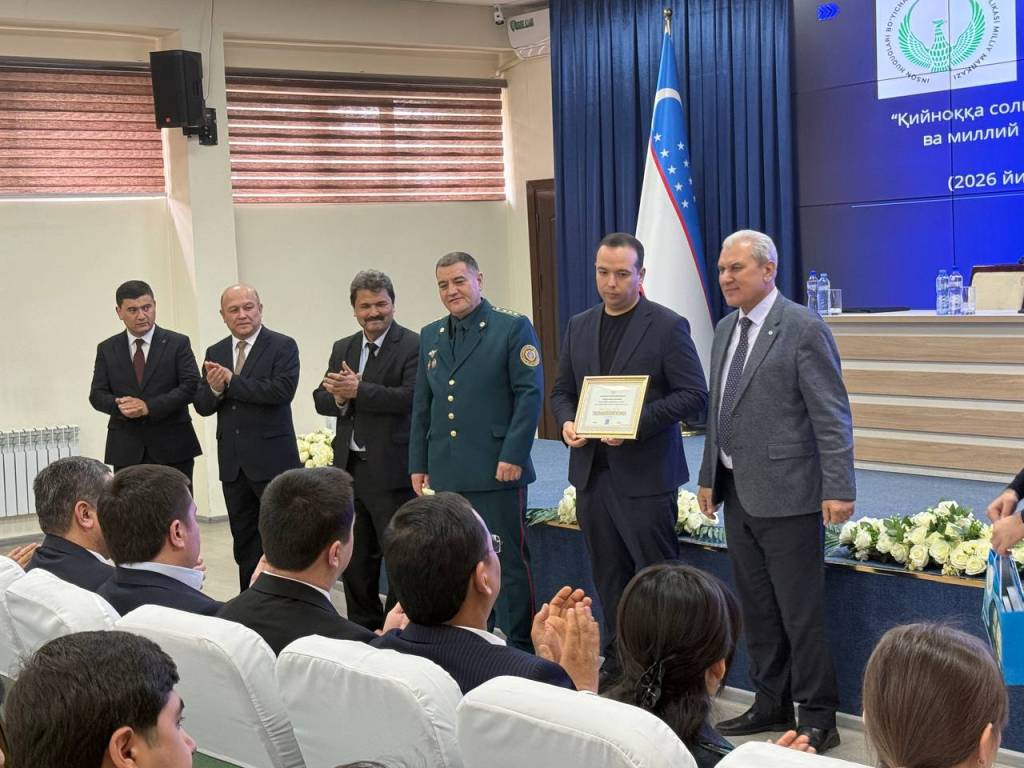
A training course titled “Combating torture: International practice and national experience” was held in Tashkent, organized by the National Human Rights Centre of the Republic of Uzbekistan in cooperation with the General Prosecutor’s Office, the Supreme Court, and the Ministry of Internal Affairs.

According to the National Human Rights Centre of the Republic of Uzbekistan, the training course was attended by 65 employees of regional courts, prosecution, and internal affairs bodies engaged in operational-search, pre-investigation, and investigative activities, as well as representatives of penal enforcement institutions.
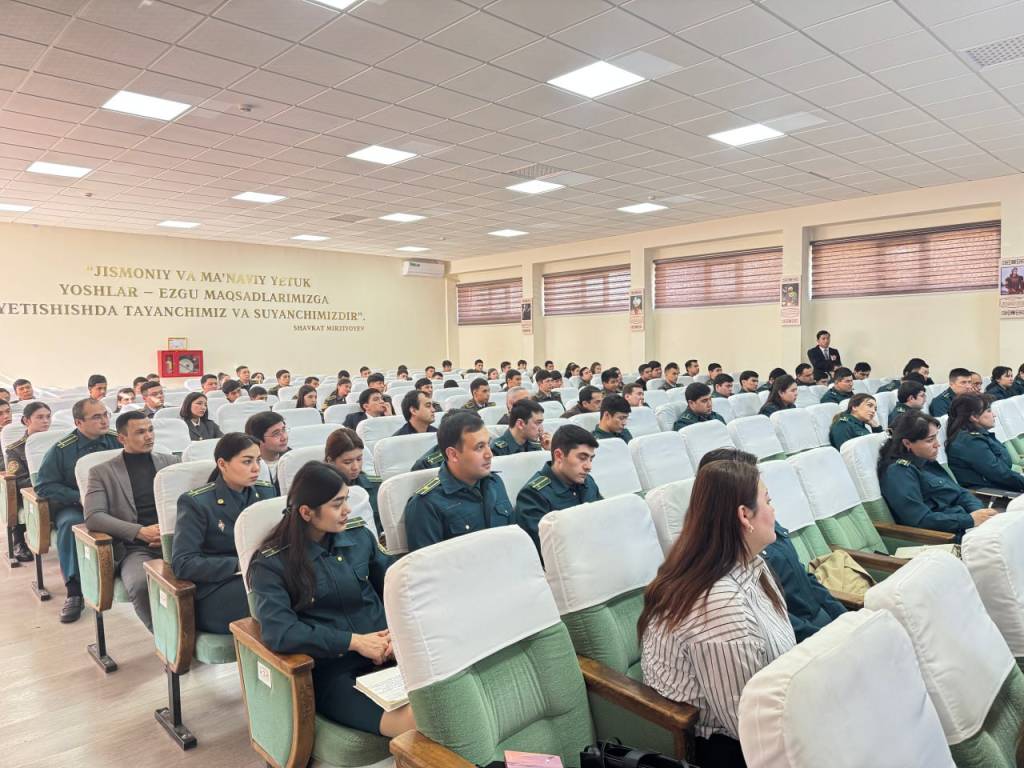
Opening the event, Director of the National Human Rights Centre of the Republic of Uzbekistan, Academician Akmal Saidov, gave a detailed account of the reforms underway in the country to combat torture and their compliance with international standards.

As Mr. Saidov noted, the rights and freedoms of every person are enshrined in the renewed Constitution of Uzbekistan, and their implementation is a priority for all state bodies.

It was emphasized that Uzbekistan has acceded to the UN Convention against Torture and is taking systematic measures to fulfill its obligations under the Convention. It was also noted that training sessions are regularly held for employees of the prosecution authorities, internal affairs bodies, and the judicial system. In addition, public and ombudsman oversight in penitentiary institutions has been strengthened.

It was noted that the National Strategy includes key areas such as raising the level of legal culture through the National Human Rights Education Programme, ensuring transparency and accountability in the activities of state bodies, and the complete elimination of torture.

Akmal Saidov emphasized that combating torture is not only a legal or regulatory task, but also a spiritual and moral duty aimed at respecting human dignity and ensuring the inviolability of the individual.

Following the course, participants completed a test to assess the knowledge they had acquired. Certificates were awarded to participants who successfully passed the exam.

UzA