Children’s rights protection starts at home
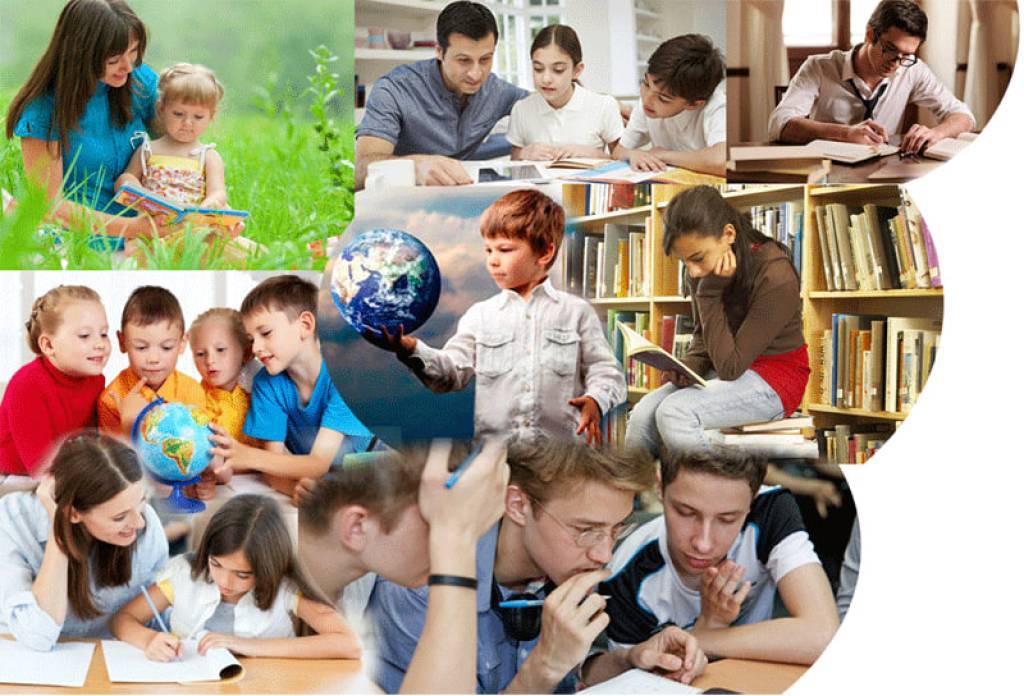
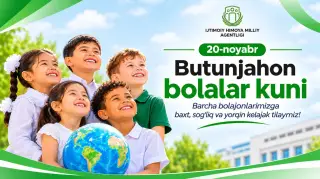
Today is World Children’s Day. Every child has the right to a decent life, education, healthcare, recreation and all-round development.
These rights form the foundation of a child’s physical, intellectual and spiritual development. Ensuring that they are upheld is a shared responsibility of the state, society and, above all, parents.
When children’s rights are discussed, the focus is often primarily on meeting their material needs, such as providing food, clothing and other essentials. However, children’s rights extend far beyond these necessities. They include the right to quality education, medical care, recreation, sports and creative activities, as well as the freedom to express their own opinions. A child’s full development depends not only on material well-being but also on an environment that takes account of their interests, abilities and individual needs.
“Article 50 of the Constitution of the Republic of Uzbekistan guarantees everyone the right to education”, says Professor Feruza Mukhiddinova, Doctor of Law. “Compulsory general secondary education and the state’s guarantee of access to free education provide the necessary legal framework for every child to exercise this right. These guarantees ensure access to education regardless of a child’s family circumstances or financial situation”.
Article 78 of the Constitution of the Republic of Uzbekistan also establishes the state’s obligation to safeguard children’s rights, freedoms and legitimate interests. Protecting these rights and creating the best possible conditions for the younger generation’s full physical, intellectual and cultural development are recognized as key responsibilities of the state and society.
However, the effective implementation of legal guarantees depends not only on government measures. The family environment, parents’ legal awareness and their approach to raising children also play a crucial role. It is within the family that the foundations are laid for respecting a child’s individuality, interests and needs.
Thus, protecting children’s rights begins first and foremost at home. By respecting children’s rights, taking their interests into account and supporting their aspirations for personal development, adults create an environment in which children can grow into free, healthy and well-rounded individuals.
After all, the well-being of children today is the foundation of a healthy, sustainable and prosperous society tomorrow.
Nigora Rahmonova, UzA