BRICS: Collaborating for global growth and stability
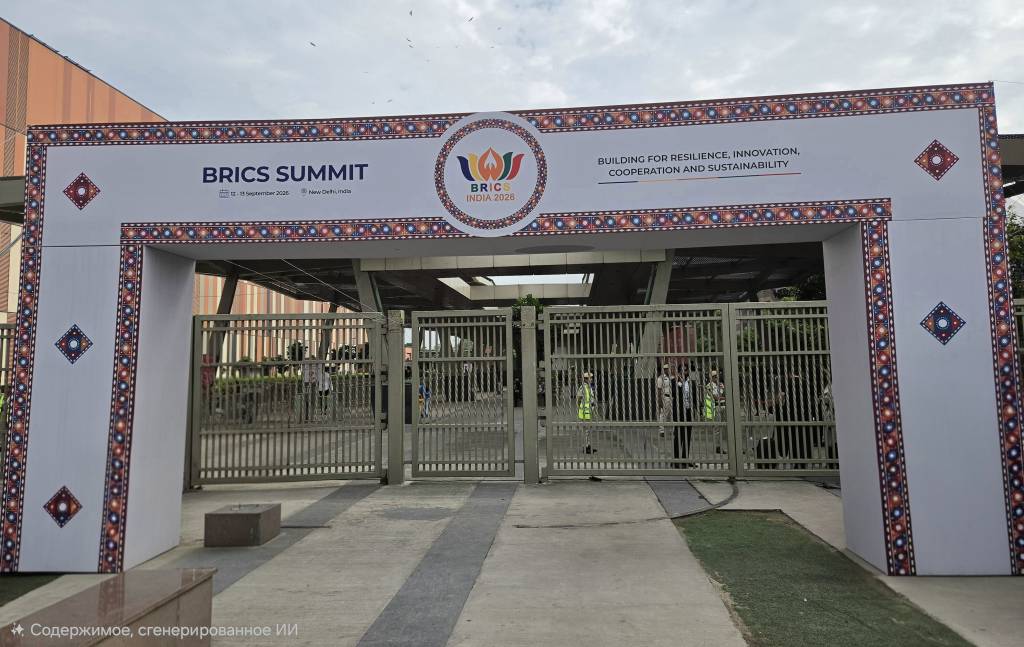
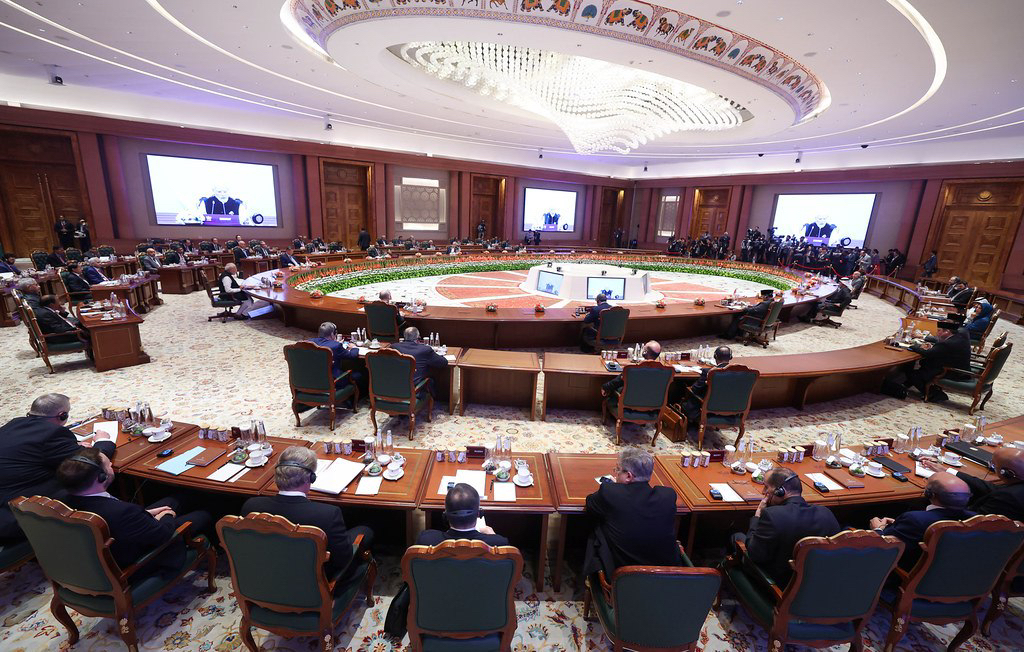
The 18th BRICS Summit has begun in New Delhi, India. The high-level dialogue, taking place on September 12-13, is expected to identify priority areas for BRICS’s future activities. BRICS has become a key center of the global economy and politics.
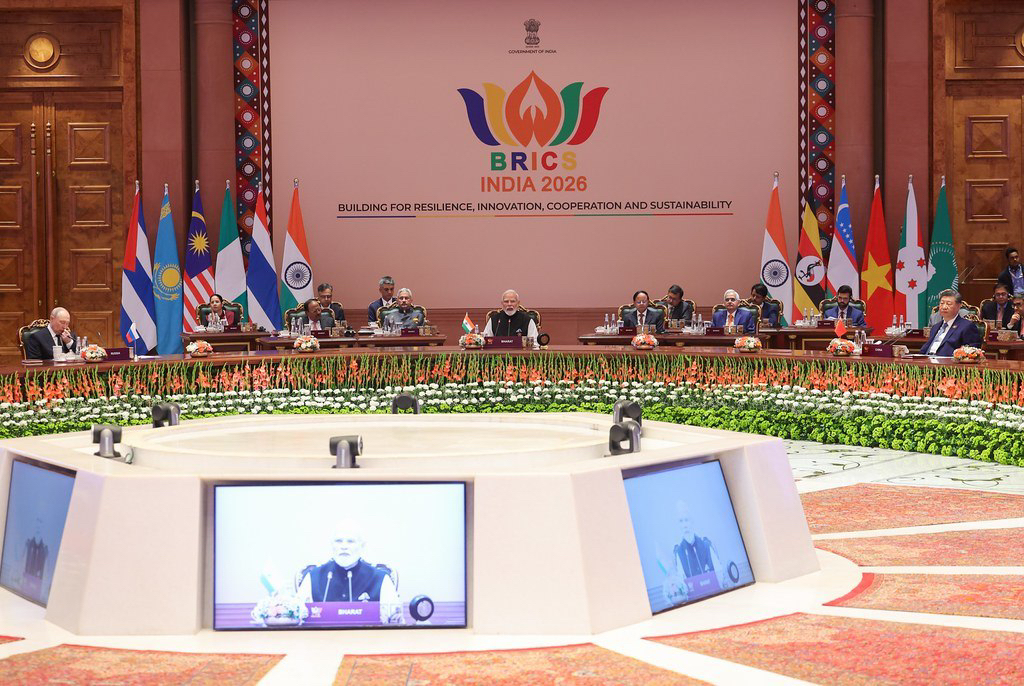
The Summit is being held under India’s Chairship at the Bharat Mandapam complex. The prestigious event is dedicated to the theme “Building for Resilience, Innovation, Cooperation and Sustainability”. According to official data, this marks India’s fourth BRICS Chairship. Today, BRICS brings together 11 countries that account for 49.5 percent of the world’s population, 40 percent of global GDP, and 26 percent of global trade. These figures underscore BRICS’s growing importance in the global economy.
What is BRICS?
In recent years, the global political landscape has experienced significant transformations. Growing geopolitical competition, sanctions, regional disputes, and worldwide crises are pushing the world toward a new multipolar era. In this context, the BRICS framework is increasingly becoming more important in international relations.
BRICS (Brazil, Russia, India, China, and South Africa) started as a platform for dialogue among rapidly growing economies. Now, it is developing into a group with its own unique stance on global governance, international justice, and economic stability. The BRICS Summit in India marks a significant milestone in defining the future course of this grouping.
The idea of a multipolar world suggests that no single country or power dominates international relations. Instead, decisions are shaped by a balance of multiple political and economic powers. BRICS is seen as a key platform promoting this concept, with member countries commanding a large share of the world’s population and global GDP and holding extensive strategic natural resources.
BRICS countries often highlight the need to reform global institutions such as the United Nations, the International Monetary Fund, and the World Bank. As is noted, these organizations no longer adequately represent today’s geopolitical landscape and often overlook the interests of developing nations. Consequently, BRICS seeks to promote a more equitable governance system suited to a multipolar world.
India is chairing BRICS in 2026, focusing on resilience, innovation, cooperation, and sustainable development. Official statements highlight a people-centered approach as a core principle of India’s leadership.
Today, BRICS serves as both a platform for economic collaboration and a key platform for dialogue focused on promoting the interests of developing nations within the global governance framework. In this context, the New Delhi Summit is particularly important amid significant shifts in international relations.
BRICS’s growth has greatly expanded its geographic scope and economic influence. Consequently, this creates more opportunities within the group to align regional interests, strengthen trade and economic connections, and explore strategies for establishing a multipolar global system.
At the same time, variations in the political and economic priorities of BRICS nations are expected. Consequently, a primary objective of the Summit is to strengthen practical collaboration based on common interests and foster constructive dialogue despite differences.
Narendra Modi: While strengthening BRICS, we must also chart the course for global reform
The summit was opened with welcoming remarks by the Prime Minister of India Narendra Modi. He emphasized that it was time for BRICS to translate its unity and consensus into concrete outcomes on the global stage. He noted that over the next twenty years, the group should pursue a new, ambitious agenda, beginning with strengthening its working mechanisms. Pointing out that the BRICS Chairship changes every year, he stressed that this should not interrupt the organization’s institutional momentum. In this regard, he proposed establishing a BRICS Continuity and Implementation Mechanism.
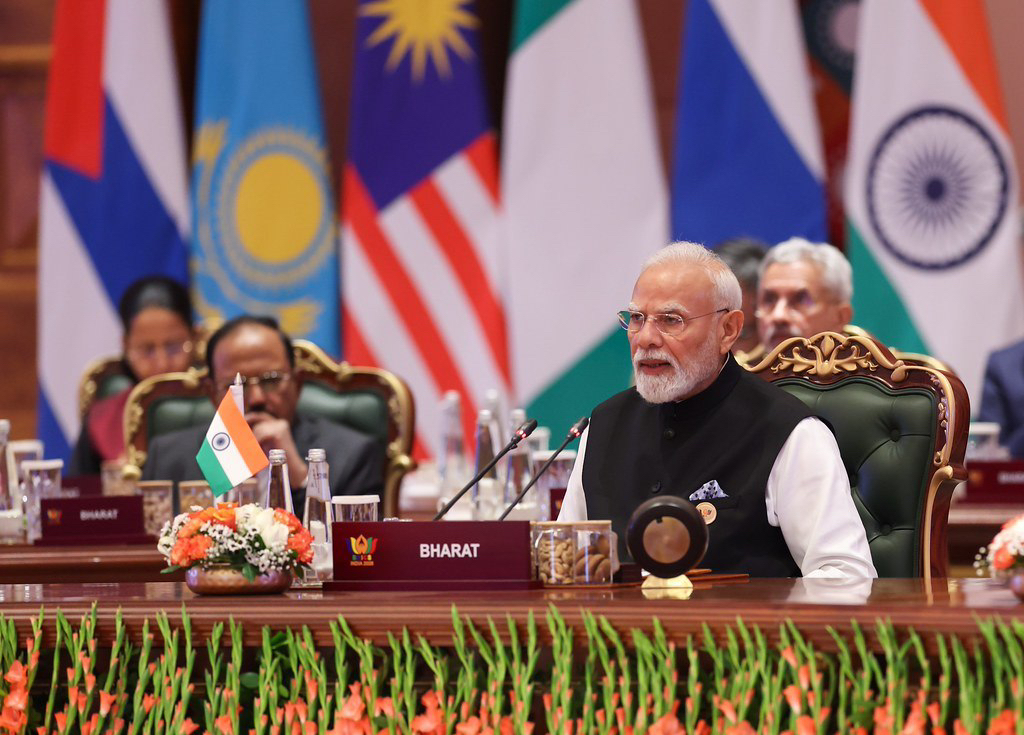
He noted that the Global South was currently in the front row of global crises but remained in the back row of decision-making. He stressed the need to transform this “pyramid of privilege” into a “platform of partnership”, where every country would have a voice, every member would have a stake, and the advancement of humanity would remain at the heart of every endeavor. With regard to representation, Narendra Modi stated that reform of the UN Security Council could no longer be delayed. He emphasized that text-based negotiations on the issue should be linked to a clearly defined timeline and concrete outcomes. Turning to rule-making, he underscored the importance of ensuring equal participation in shaping the global rules of the future. He noted that artificial intelligence, cyberspace, outer space, biotechnology, and critical technologies were shaping not only the opportunities of the future but also the rules that would govern it.
A central focus of the Summit agenda is transforming the global economy and enhancing the role of developing countries in international economic governance. This includes improving the international financial system, expanding trade and investment relations, promoting the use of national currencies, and developing cross-border payment mechanisms, all of which are especially relevant to BRICS countries.
The Summit will also cover issues on the effective application of new technologies and artificial intelligence, promote the growth of the digital economy, and establish conditions that allow developing countries to benefit more widely from technological advancements.
The Summit will continue its work tomorrow.
Nurillo Nasriyev, UzA
New Delhi, India