Are universities in Central Asia ready to compete globally?
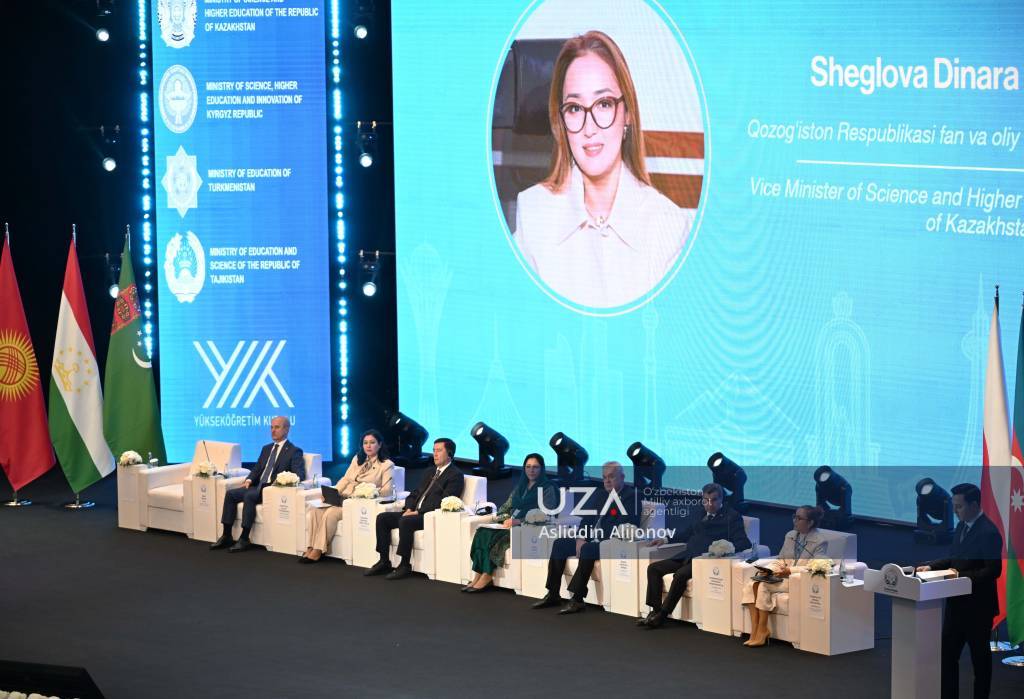
On October 28, 2026, Tashkent hosted the Central Asian International Education Forum, focusing on strengthening cooperation in education and addressing future challenges.
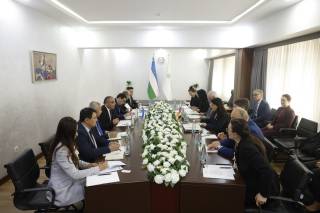
The forum brought together education officials, university rectors, representatives of international organizations and experts from Uzbekistan, Kazakhstan, Kyrgyzstan, Tajikistan, Turkmenistan and Pakistan.
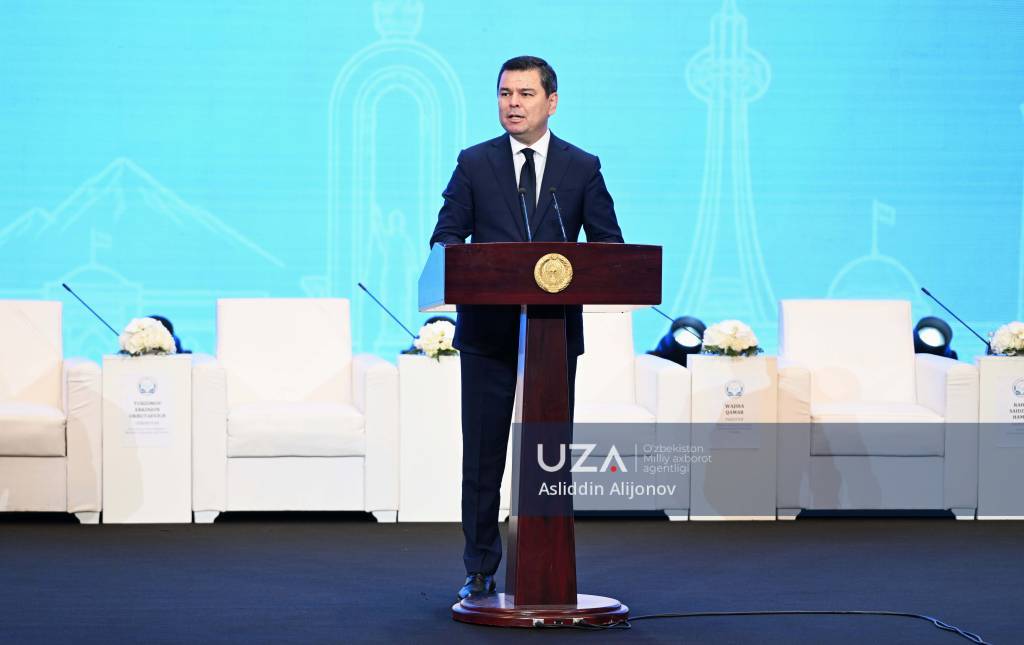
At the opening ceremony, the President of the Republic of Uzbekistan’s welcome address to participants of the Central Asian International Education Forum was read out.
As noted at the event, Central Asian countries share close historical and cultural ties, but these alone cannot meet the demands of modern education. Cooperation is shifting from formal university ties toward tangible results. Student and faculty exchanges, joint educational programs, mutual recognition of diplomas and qualifications, and joint research projects are among the region’s key priorities.
These opportunities help young people gain knowledge and experience in neighboring countries while enabling universities to pool their research expertise. But building a shared educational space takes more than signing memorandums. It delivers tangible results when universities recognize credits earned by students in neighboring countries, researchers work together on joint studies, and university innovations are applied in the real economy.
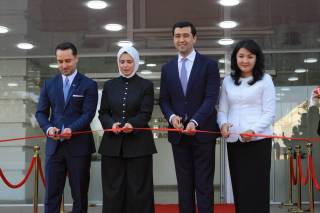
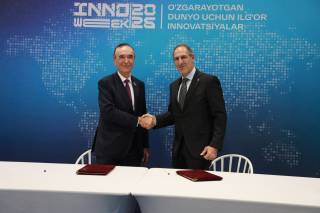
The forum covered the development of science and innovation, the use of digital technologies and artificial intelligence in higher education, and issues related to education quality, accreditation, and international rankings. Participants also visited the “Study in Uzbekistan” exhibition.
[gallery-32217]
Muhayyo Toshqorayeva, photos by Asliddin Alijonov, UzA