Abdusalom Khatamov: Historic high-level visit opens new prospects for relations between Uzbekistan and Oman
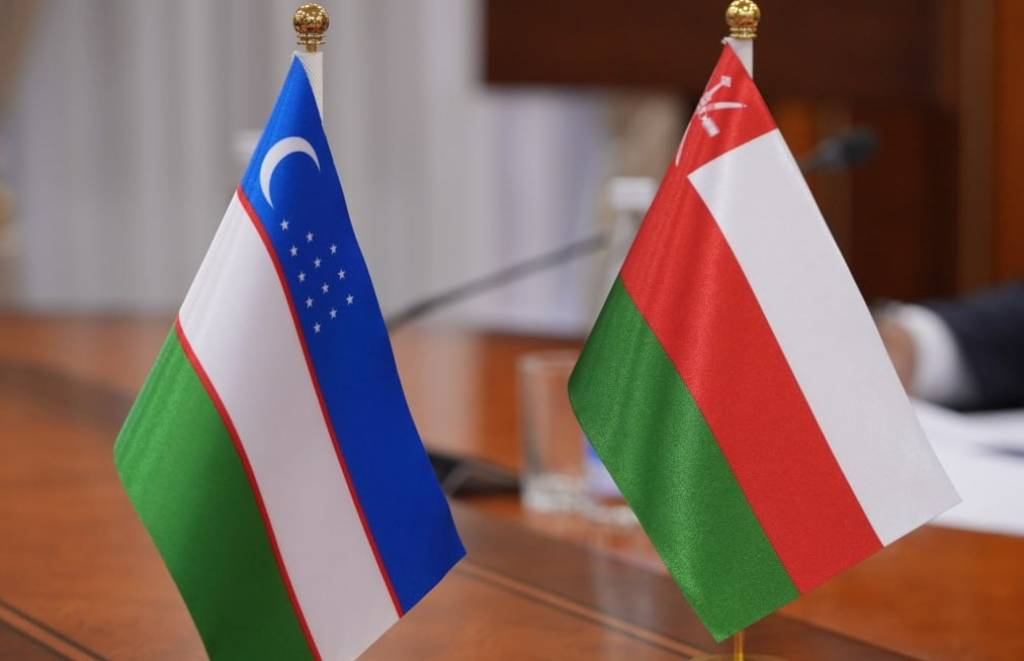
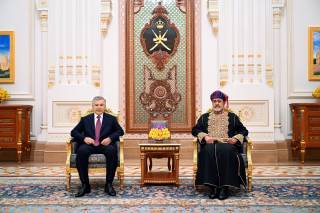
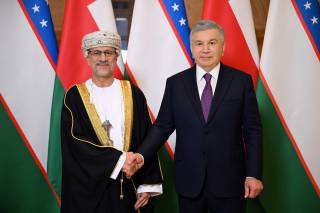
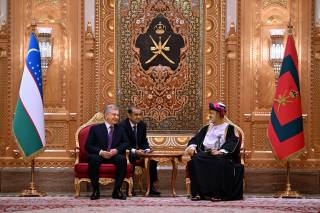
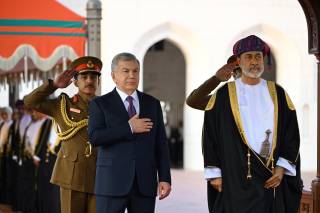
At the invitation of Sultan Haitham bin Tariq Al Said, the President of the Republic of Uzbekistan Shavkat Mirziyoyev will pay a state visit to Oman on November 16-17 this year. The high-level talks in Muscat are expected to carry particular political significance, aiming to elevate the bilateral strategic dialogue and deepen cooperation in trade, investment, culture, and humanitarian affairs. The summit is expected to conclude with the signing of several important documents.
Ahead of this historic visit, Abdusalom Khatamov, Ambassador Extraordinary and Plenipotentiary of the Republic of Uzbekistan to the Sultanate of Oman, gave an exclusive interview to the UzA correspondent, sharing his views on the current state and prospects of the multifaceted relations between the two countries.
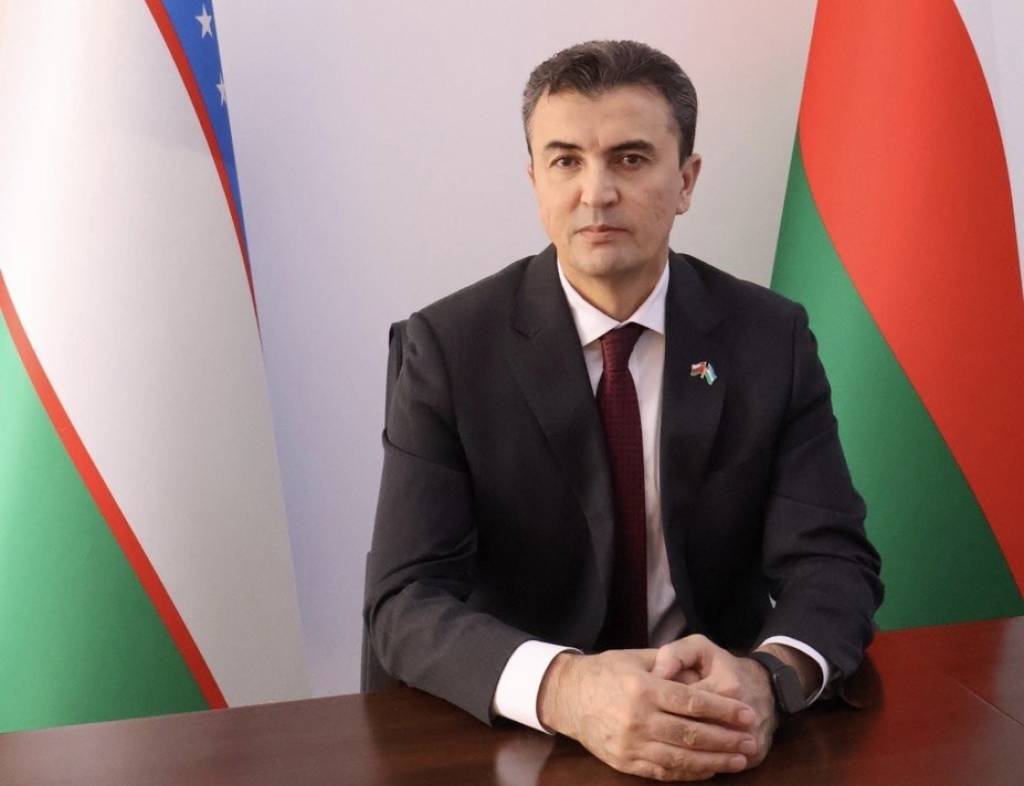
– Mr. Ambassador, to begin, could you describe the current state of diplomatic relations between Uzbekistan and the Sultanate of Oman? How has political dialogue between the two countries evolved in recent years, and in which areas of cooperation have the most significant changes occurred?
– I would like to emphasize that relations between the Republic of Uzbekistan and the Sultanate of Oman are developing steadily based on mutual respect, trust and shared interests. The friendly ties and constructive political dialogue established between our countries provide a solid foundation for expanding bilateral cooperation.
In recent years, political dialogue between Uzbekistan and Oman has gained entirely new momentum. In particular, high-level visits and regular meetings have broadened the bilateral agenda and helped identify new partnership opportunities. Of particular importance in this regard were the visit of the Minister of Foreign Affairs of Uzbekistan to Muscat in 2024 and the visit of the Minister of Foreign Affairs of Oman to Tashkent in 2025.
Political consultations between the two countries’ foreign ministries have also become an effective mechanism for maintaining regular dialogue. The ninth round of these consultations took place in Muscat on June 30 this year, following the eighth round held in Tashkent in September 2025. During these consultations, the two sides exchange views on key issues in bilateral relations, regional and international developments, and discuss prospects for deepening mutually beneficial cooperation.
As for economic cooperation, priority is currently being given to making full use of the existing potential and achieving more tangible results. In particular, there are considerable opportunities to expand trade, economic and investment ties and implement promising projects in transport and logistics, infrastructure, energy, mining, agriculture and food security.
In addition, strengthening cultural and humanitarian ties and expanding exchanges in education and tourism are equally important. After all, closer ties between our peoples contribute to the steady development of interstate relations. Overall, relations between Uzbekistan and Oman are no longer limited to traditional political dialogue but are evolving into a multifaceted partnership encompassing economic, investment and humanitarian cooperation.
– Balanced diplomacy, dialogue, and the peaceful resolution of disputes are at the heart of Oman’s foreign policy. What common ground do you see between these principles and Uzbekistan’s open, pragmatic foreign policy?
– In my view, the most important principles shared by Uzbekistan and Oman in their foreign policy approaches are respect for state sovereignty and territorial integrity, non-interference in internal affairs, the peaceful resolution of disputes, and a commitment to constructive dialogue and mutual understanding in international relations.
The Sultanate of Oman enjoys a distinctive standing in the international community for its measured and pragmatic diplomacy and its mediation efforts aimed at bringing different parties to the negotiating table in complex regional and international situations. We particularly value Oman’s experience in resolving regional conflicts through political and diplomatic means, building mutual trust and finding mutually acceptable solutions.
Uzbekistan is equally committed to the principles of openness, pragmatism and constructive cooperation in its foreign policy. Our country advocates strengthening peace and stability in the region, developing good-neighborly relations and resolving existing issues based on mutual respect and a balance of interests. We believe that, on the international stage, it is essential to promote peace initiatives and create new partnership opportunities rather than intensify confrontation.
In this respect, there is considerable common ground between the foreign policy approaches of Uzbekistan and Oman. Both countries regard diplomacy not only as a means of expanding bilateral relations but also as a key instrument for easing tensions, preventing conflicts and achieving sustainable development.
– Uzbekistan occupies a key geostrategic position in Central Asia, while Oman holds a similarly important place on the Arabian Peninsula. In today’s complex international environment, what opportunities do you see for expanding cooperation between our countries through the United Nations, the Organization of Islamic Cooperation and other multilateral frameworks?
– The geographical locations of our two countries, their roles in regional affairs and their constructive foreign policy approaches offer considerable opportunities for deepening multilateral cooperation. Uzbekistan’s strategic position in Central Asia and Oman’s location on the Arabian Peninsula and in the Indian Ocean region provide a strong foundation for strengthening not only bilateral ties but also interregional cooperation.
Our countries already cooperate closely within the United Nations, the Organization of Islamic Cooperation (OIC) and other international organizations. In particular, it is increasingly important to align our approaches to strengthening international peace and stability, resolving conflicts through diplomatic means, respecting the sovereignty and territorial integrity of states, and strictly adhering to international law.
At the same time, there is significant potential to intensify regular dialogue between our foreign ministries. This would enable both sides to coordinate their positions on pressing global and regional issues and support each other’s initiatives on the international stage.
Another promising area is expanding dialogue between Central Asian countries and the Gulf Cooperation Council (GCC). This strategic platform is helping to elevate political, trade, economic and cultural ties between our regions to a new level. Oman’s active participation in these processes will enrich interregional cooperation.
In addition, there are ample opportunities to expand practical cooperation within international organizations to address climate change, ensure water and food security, promote sustainable development, and advance cooperation in energy, transport, and logistics.
– Which sectors of Uzbekistan’s economy hold the greatest potential for attracting Omani investment? Could you elaborate on the joint projects underway in industry, energy, agriculture, infrastructure, and tourism?
– Uzbekistan attaches priority importance to expanding trade, economic and investment cooperation with the Sultanate of Oman. The friendly relations and shared interests between our countries are opening up extensive opportunities for Omani investors in Uzbekistan. In particular, energy, mining, transport and logistics, infrastructure, agriculture, the food industry and tourism have been identified as the most promising sectors.
To date, our investment cooperation has already yielded tangible results. In particular, projects financed by the Uzbekistan – Oman Joint Investment Company are underway in food production, the modernization of logistics centers and the development of modern hotel infrastructure in Tashkent. This clearly demonstrates the strong confidence Omani investors have in our country’s economy.
Another notable example of our cooperation is the work of Oman’s Atyab International Services. The company has established a food testing, inspection and certification center in Uzbekistan, helping ensure that locally produced goods meet international standards and expanding their access to export markets. Notably, this laboratory is the only one of its kind in Central Asia.
Cooperation with Oman’s Asyad Group in transport and logistics has also reached a new level. In particular, the company’s completion of a deal to acquire controlling stakes in two major logistics platforms in Uzbekistan has significantly expanded opportunities to integrate our region’s transport capabilities with Oman’s port and logistics infrastructure, develop multimodal transportation and improve access to global markets.
There are also ambitious plans to expand cooperation in agricultural production, advanced processing and the introduction of modern agricultural technologies, as well as to pool investment resources in the energy and industrial sectors. In tourism, particular emphasis is being placed on developing hotel complexes and expanding tourism services.
We do not view investment cooperation merely as a means of attracting capital. Above all, it represents an opportunity to introduce advanced technologies, create new jobs, develop human resources and enhance the competitiveness of our products in international markets.
– What opportunities exist for Uzbek textile, food, agricultural, and industrial products in the Omani market? Considering local market requirements and the competitive landscape, what advice would you give Uzbek exporters?
– The Omani market is of considerable interest to our domestic producers due to its advantageous geographical location, well-developed port and trade infrastructure, and access to the Gulf region and other international markets. Oman can therefore be regarded not only as a promising market for our products but also as an important gateway for expanding regional trade.
There are currently significant opportunities for Uzbek textile, food, agricultural and industrial products to establish a strong presence in the Omani market. In particular, high-quality finished textile products, fresh and dried fruits and vegetables, pulses, processed foods and certain manufactured goods are considered promising export categories. Uzbekistan’s agricultural and food-processing capabilities, together with its diverse product range, provide a substantial competitive advantage.
At the same time, successfully entering this market requires a thorough understanding of local consumer preferences, competitive conditions and import regulations. Alongside product quality, pricing, modern packaging, delivery times and reliable supplies are decisive factors. With this in mind, I would offer Uzbek exporters the following practical recommendations.
First, exporters should conduct a thorough market analysis and develop an export strategy targeting specific product segments. Studying local demand, competitors’ pricing strategies and distribution channels for each product will help improve export performance.
Second, product quality and safety must fully comply with international standards and those in force in Oman. In particular, strict compliance with sanitary and phytosanitary requirements, as well as Halal certification standards, is essential when exporting food and agricultural products. Special attention should also be paid to adapting packaging, product markings and labels to local market requirements.
Third, exporters should establish direct, long-term relations with Omani importers, distributors, wholesalers and retail chains. Active participation in international and regional exhibitions and business forums will help raise awareness of Uzbek products.
Fourth, logistics must be given serious attention. In particular, establishing an uninterrupted cold chain for perishable agricultural products, reducing delivery times and developing reliable transport routes are key factors in maintaining competitiveness.
For its part, the Embassy is always ready to facilitate direct contacts between the business communities of our two countries, arrange meetings with local distributors and support the wider promotion of Uzbek products in the Omani market.
– Oman’s seaports and its location along international transport routes are strategically important to Uzbekistan. What are the prospects for using Oman’s logistics infrastructure to diversify our country’s access to the world’s oceans?
– For Uzbekistan, a landlocked country, diversifying international transport corridors is one of the key priorities for expanding the geographical reach of foreign trade, ensuring the reliability of export and import operations, and optimizing logistics costs. In this regard, the Sultanate of Oman’s advantageous geostrategic location, modern seaports and well-developed transport and logistics network are of considerable interest to our country. In particular, the ports of Sohar, Salalah and Duqm, with their specialized infrastructure, can offer effective alternative routes for transporting Uzbek goods to global markets.
Traditionally, transport corridors through Turkmenistan and Iran, including the port of Bandar Abbas, have played an important role in giving Uzbekistan access to Middle Eastern markets. However, regional and international developments in recent years have highlighted the growing need to strengthen the resilience of foreign trade logistics and develop new alternative routes.
Oman’s main advantage lies in its port infrastructure, free economic zones and international logistics centers, which provide facilities not only for receiving and dispatching cargo but also for storing, redistributing and forwarding goods to third-country markets. In particular, the Sultanate’s direct access to the Arabian Sea and the Indian Ocean is especially important for expanding Uzbekistan’s trade relations with South Asia, the Middle East and Africa.
As a concrete example of cooperation in this area, it is worth highlighting the completion in June 2026 of a deal under which Oman’s Asyad Group acquired controlling stakes in Uzbekistan’s Universal Logistics Services and Highway Logistics Center logistics platforms. This agreement has opened up new opportunities to link Oman’s seaports with Uzbekistan’s domestic transport network and integrate rail and road freight operations with maritime logistics. We regard this partnership not only as a means of increasing freight volumes between our two countries but also as a step towards establishing a major regional transport and logistics network connecting Central Asia as a whole with the Gulf and the Indian Ocean region.
I am confident that combining Oman’s seaports and international logistics networks with Uzbekistan’s transport and transit capabilities will enable our country to diversify its foreign trade routes, expand access to new markets for Uzbek exporters and elevate bilateral economic cooperation to a new level.
– Uzbekistan’s historic cities, including Samarkand, Bukhara and Khiva, have long drawn considerable interest from tourists across the Arab world. What practical initiatives are being undertaken to attract more Omani visitors to Uzbekistan and promote pilgrimage and cultural tourism?
– Uzbekistan, with its rich historical, cultural and spiritual heritage, has always been an attractive destination for tourists from Oman and the wider Arab world. In particular, our ancient cities of Samarkand, Bukhara and Khiva are highly valued not only for their unique architectural monuments but also for the legacy of great scholars who made invaluable contributions to the development of Islamic civilization, science and enlightenment. We therefore regard promoting Uzbekistan’s tourism potential among Omani citizens, particularly cultural, educational, historical and pilgrimage tourism, as one of the priorities of our humanitarian cooperation. Our country’s invaluable Islamic heritage, sacred sites, national traditions and renowned hospitality will undoubtedly leave a lasting impression on Omani visitors.
Improved transport connections are playing a crucial role in this regard. In particular, the launch of direct flights between Muscat and Tashkent by Oman Air on July 3 this year marked an important practical step towards increasing tourism and business travel between our countries. Furthermore, the mutual visa-free regime for citizens of both countries has significantly simplified travel arrangements and is helping encourage greater tourist flows.
Of course, making full use of these favorable conditions requires strengthening cooperation in the tourism sector. In particular, we are paying special attention to establishing direct contacts between tour operators and travel companies in our two countries, organizing joint presentations and actively participating in international exhibitions. Special tour packages covering Samarkand, Bukhara, Khiva and Tashkent are also being developed to reflect the interests and preferences of Omani tourists. In addition to visits to historical and religious sites, these programs will offer opportunities to discover Uzbekistan’s national cuisine, traditions and traditional handicrafts.
Our Embassy, in cooperation with Uzbekistan’s Tourism Committee, regularly organizes events to promote our country’s tourism potential among the Omani public. These include “Travel to Uzbekistan” roadshows and familiarization tours of Uzbekistan for leading Omani bloggers and representatives of travel companies. Through these initiatives, we aim not only to generate greater interest in visiting Uzbekistan but also to strengthen mutual understanding and cultural ties between our peoples.
– The peoples of Uzbekistan and Oman share deep historical, spiritual and cultural ties. Building on these common values, how can we strengthen cultural diplomacy and expand cooperation in art, literature and scholarly heritage?
– Ties between the peoples of our two countries have developed over centuries through trade and the exchange of knowledge and learning, providing a strong historical foundation for our present-day partnership.
One notable example of these longstanding connections is the scholarly legacy of Abdurazzoq Samarqandi, the great 15th-century historian, diplomat and scholar. His work “Matla' al-Sa'dayn wa Majma' al-Bahrayn”, which includes observations about Oman recorded during his journey to India, is an important source for studying historical connections between Central Asia and the Indian Ocean region. More broadly, the legacy of our great scholars plays an important role in understanding the civilizational values shared by our peoples.
Another significant symbol of our partnership is the establishment, with the support of the Sultanate of Oman, of a modern library at the Abu Rayhan Beruni Institute of Oriental Studies of the Academy of Sciences in Tashkent. This is a tangible expression of our shared commitment to preserving cultural and spiritual heritage and strengthening humanitarian ties.
Our task today is to build on this rich historical legacy, give it contemporary relevance and promote it widely among younger generations. In this regard, there are extensive opportunities to expand cooperation between universities, research centers, museums and libraries, as well as to organize joint academic conferences, historical exhibitions, literary gatherings and cultural festivals.
In particular, special attention is being paid to holding Uzbekistan Culture Days in Oman and widely showcasing our national art, music and traditional handicrafts. Examples include the presentation of the Islamic Civilization Center, organized in cooperation with its management in Muscat on November 4 this year, as well as Uzbekistan Culture Days and an exhibition of traditional handicrafts held on November 12-13 in cooperation with Uzbekistan’s Ministry of Culture. Such events provide our Omani friends with an opportunity to gain a deeper appreciation of our country’s rich cultural heritage.
Developing exchanges between young people and education sector representatives is equally important. In particular, a student exchange program organized between schools in Tashkent and Muscat in April 2025 provided a valuable opportunity for young people to learn firsthand about each other’s cultures and values. In addition, Uzbek Arabic-language teachers’ participation in professional development programs at the Sultan Qaboos Institute in Oman is helping strengthen educational and academic ties. Another promising area is implementing joint projects to digitize historical manuscripts and make them accessible to the wider public through digital technologies.
– During your diplomatic career, you have served at missions in Egypt, Saudi Arabia, and the Russian Federation. Based on your experience in these regions, what can we learn from Oman’s distinctive approach to soft power diplomacy?
– My many years of diplomatic service have allowed me to gain a deeper understanding of the distinctive features of different countries’ foreign policies and to analyze them from a comparative perspective. In this regard, Omani diplomacy stands out for its restraint, balance, consistency and commitment to constructive dialogue. The Sultanate remains committed to maintaining mutually beneficial relations with various countries, serving as a bridge between opposing sides and facilitating the peaceful resolution of disputes. This approach has helped strengthen Oman’s reputation as a reliable and responsible partner on the international stage.
The defining feature of Omani diplomacy is its emphasis on openness, restraint and mutual respect while firmly upholding national interests and sovereignty. The ability to listen to all parties, take their interests into account, and seek mutually acceptable solutions is one of the most effective ways to build long-term trust.
At the same time, Oman’s soft power extends well beyond political and diplomatic instruments. Its rich historical heritage, national traditions, culture of tolerance, and strong emphasis on education and humanitarian cooperation also contribute to the country’s growing international standing.
I believe this wealth of experience is also of considerable practical value to Uzbekistan. Our country possesses immense historical, cultural and intellectual potential. By promoting our national values internationally and expanding exchanges in science, education, culture and tourism, we can strengthen Uzbekistan’s standing on the global stage. Oman’s experience clearly demonstrates the importance of avoiding hasty decisions in diplomacy, pursuing long-term strategic objectives and maintaining channels of dialogue even in the most challenging circumstances.
– Maintaining regular contact with our compatriots abroad is one of the key responsibilities of diplomatic missions. What measures are currently being taken to protect the rights and interests of Uzbekistan citizens living and working in Oman and provide them with the necessary consular and legal assistance?
– Our Embassy consistently prioritizes maintaining regular contact with our compatriots, responding promptly to their concerns and providing qualified consular assistance. In working with our citizens, particular emphasis is placed on reviewing their applications within the prescribed time limits, providing legal advice and helping resolve issues within the Embassy’s authority. All such activities are carried out in strict accordance with the laws of Uzbekistan and Oman, as well as international law.
We also attach particular importance to informing our compatriots about the rules governing residence and employment in Oman, local legal requirements and procedures for formalizing employment contracts. After all, a sound understanding of the host country’s legal framework and awareness of one’s obligations are essential to ensuring reliable protection of our citizens’ interests.
At the same time, we have established close cooperation with the relevant Omani ministries and government agencies to address matters affecting our citizens’ rights. When necessary, the Embassy provides practical assistance to our compatriots in accordance with established procedures and maintains dialogue with local authorities.
Keeping our compatriots regularly informed about consular matters and maintaining open and direct communication with them are integral parts of our work. Our primary goal is to ensure that our citizens abroad fully understand their rights and responsibilities and can always count on the practical assistance and support of their home country when needed. After all, protecting the interests of our citizens is one of the most important and solemn responsibilities of the diplomatic service.
– As we conclude our conversation, let’s look ahead. What major initiatives and joint projects are planned for the coming years to strengthen relations between Uzbekistan and Oman?
– In the coming years, we aim to strengthen the friendly relations between Uzbekistan and Oman, intensify political dialogue and expand practical cooperation across all priority areas. The mutual trust established between our countries provides a solid foundation for taking this partnership to a new level.
First and foremost, our priorities will remain the continued dialogue at the highest and high levels, the intensification of regular consultations between our foreign ministries, and the effective implementation of agreements already reached.
Economic diplomacy and investment cooperation will remain central to our work. We plan to strengthen direct contacts between the business communities of our two countries, regularly organize business forums, business missions and B2B meetings, and implement new investment projects in energy, mining, transport and logistics, infrastructure, agriculture and the food industry.
There is particularly significant potential to take cooperation in transport and logistics to a new level. Our established partnership with Oman’s Asyad Group provides a strong foundation in this regard. Another promising initiative under consideration is establishing a joint Uzbekistan – Oman logistics company in the Sohar Free Zone. Implementing this project would expand opportunities for Uzbek businesses to access Gulf markets, as well as other regional and international markets.
Developing cooperation in tourism, culture, humanitarian affairs, education and science will also feature prominently in our plans. In particular, we will place strong emphasis on establishing direct cooperation between universities and research centers and expanding student and youth exchange programs.
Our main goal is to build on the traditions of friendship and mutual respect that have developed over centuries by achieving tangible results through modern cooperation, using these opportunities to advance the well-being of both nations and serve the interests of future generations.
I am confident that President Shavkat Mirziyoyev’s state visit to the Sultanate of Oman will mark a historic milestone, taking our multifaceted partnership to a new level by strengthening political dialogue and advancing mutually beneficial projects. Most importantly, this high-level visit will deepen the longstanding friendship between the peoples of Uzbekistan and Oman, opening a promising new chapter in bilateral relations grounded in mutual trust, practical cooperation and new opportunities.
Utkir Alimov, UzA