
On the occasion of the 60th anniversary of the independence of Algeria and the 30th anniversary of the establishment of diplomatic relations between Algeria and Uzbekistan, the Embassy of this country has developed a program of cultural events.

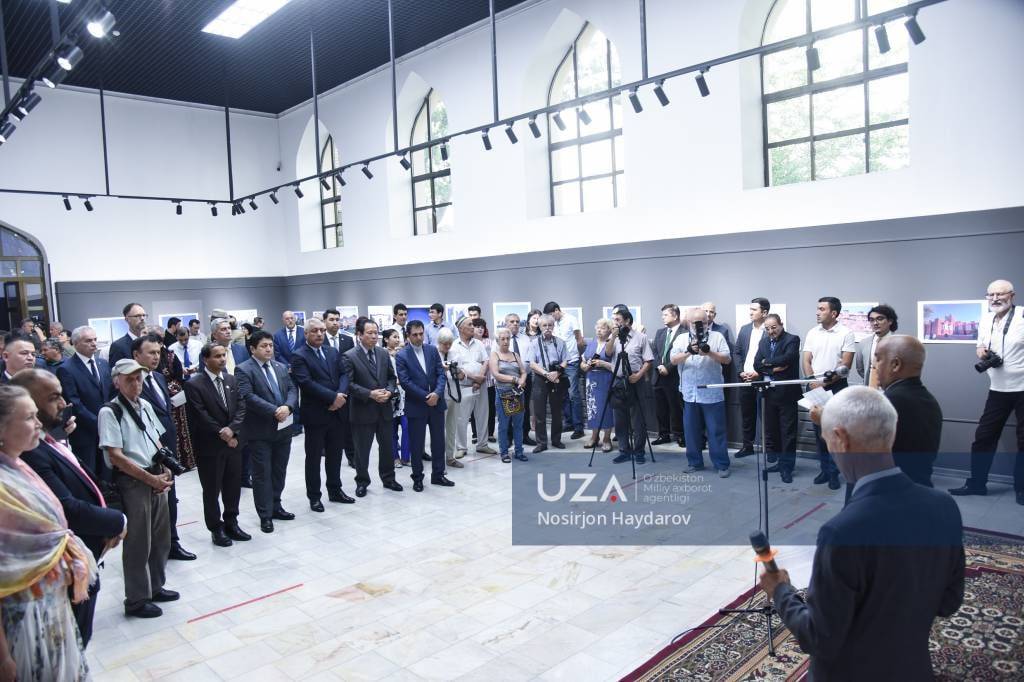
A photo exhibition of ancient and contemporary architecture of Algeria has kicked off in the capital’s House of Photography in cooperation with the Academy of Arts of Uzbekistan.

The event was attended by representatives of the diplomatic corps, state and public organizations, academic and creative circles.

The exhibition is intended present a non-exhaustive panorama of architectural art in Algeria during the romano-byzantine, medieval, Islamic-ottoman, colonial, as well as contemporary periods. The buildings are erected in different styles of architecture. Some of them belong to the neo-classical style which uses Greco-Roman, Arab-Berber elements which are found especially in the Mzab valley in the south of Algeria, in the neo-Moorish style which is distinguished by its many borrowings from Arab-Andalusian architecture, in an eclectic style which brings together elements borrowed from different periods of the history of art and finally the Saharan style.

The site of the Roman Ruins of Djemila and the city of Tipaza, for example, represent the ancient (Roman) periods, while Djamâa El Kebir, the Palace of the Deys, the Kasbah of Algiers (old town), the Great Mosque of Ghardaïa belong to the Islamic architecture and town planning of the Arab-Berber medinas. 

The cathedrals of the Sacred Heart of Algiers and Oran, the basilica of Notre-Dame-d'Afrique, the Place de la République, the town hall of Oran and the station of the same city are characterized by their character which combines modernity and local art.

The works of well-known architects and designers such as Fernand Pouillon, a French architect who was, in fact, the project manager of several architectural creations, in particular tourist complexes in the north (for example Sidi Fredj) as in the South of the country such as the Tahat hotel in Tamanrasset, in the 1970s, as well as architectural achievements done by the famous Brazilian architect Oscar Niemeyer such as the universities of Constantine and Houari Boumediene as well as the dome Olympic Mohamed Boudiaf in Algiers, should be mentioned.

Visitors can discover, also, the beauty of the various other buildings representing more recent masterpieces of Algerian architecture such as the head office of Sonatrach, the national oil company, the headquarter of the Ministry of Foreign Affairs, the Sheraton Hotel and the Sofitel Hotel, the monument of the Martyrs or Maqâm Echahid, as well as the Great Mosque El Djazaïr.

This exhibition is an opportunity to discover Algeria through its rich and various architectural and cultural identities. It will allow us to travel through the different areas of several millennia-old histories.

The Ambassador Extraordinary and Plenipotentiary of Algeria to Uzbekistan Naceur Boucherit noted that such important events contribute to the cultural rapprochement of the two peoples, strengthening bilateral cooperation between Algeria and Uzbekistan, in particular, in art and culture.

The exhibition will run until June 19.

[gallery-7549]

Gayrat Khonnazarov, photos by Nosirjon Khaydarov, UzA

English
Chinese
Turkish
Tajik
Kyrgyz
Turkmen
Japanese
Arabic
English
French
Spanish
Русский
German
Ўзбек
Oʻzbek
Қазақ
A photo exhibition “Ancient and Contemporary Algerian Architecture” kicks off in Tashkent

On the occasion of the 60th anniversary of the independence of Algeria and the 30th anniversary of the establishment of diplomatic relations between Algeria and Uzbekistan, the Embassy of this country has developed a program of cultural events.

A photo exhibition of ancient and contemporary architecture of Algeria has kicked off in the capital’s House of Photography in cooperation with the Academy of Arts of Uzbekistan.

The event was attended by representatives of the diplomatic corps, state and public organizations, academic and creative circles.

The exhibition is intended present a non-exhaustive panorama of architectural art in Algeria during the romano-byzantine, medieval, Islamic-ottoman, colonial, as well as contemporary periods. The buildings are erected in different styles of architecture. Some of them belong to the neo-classical style which uses Greco-Roman, Arab-Berber elements which are found especially in the Mzab valley in the south of Algeria, in the neo-Moorish style which is distinguished by its many borrowings from Arab-Andalusian architecture, in an eclectic style which brings together elements borrowed from different periods of the history of art and finally the Saharan style.

The site of the Roman Ruins of Djemila and the city of Tipaza, for example, represent the ancient (Roman) periods, while Djamâa El Kebir, the Palace of the Deys, the Kasbah of Algiers (old town), the Great Mosque of Ghardaïa belong to the Islamic architecture and town planning of the Arab-Berber medinas. 

The cathedrals of the Sacred Heart of Algiers and Oran, the basilica of Notre-Dame-d'Afrique, the Place de la République, the town hall of Oran and the station of the same city are characterized by their character which combines modernity and local art.

The works of well-known architects and designers such as Fernand Pouillon, a French architect who was, in fact, the project manager of several architectural creations, in particular tourist complexes in the north (for example Sidi Fredj) as in the South of the country such as the Tahat hotel in Tamanrasset, in the 1970s, as well as architectural achievements done by the famous Brazilian architect Oscar Niemeyer such as the universities of Constantine and Houari Boumediene as well as the dome Olympic Mohamed Boudiaf in Algiers, should be mentioned.

Visitors can discover, also, the beauty of the various other buildings representing more recent masterpieces of Algerian architecture such as the head office of Sonatrach, the national oil company, the headquarter of the Ministry of Foreign Affairs, the Sheraton Hotel and the Sofitel Hotel, the monument of the Martyrs or Maqâm Echahid, as well as the Great Mosque El Djazaïr.

This exhibition is an opportunity to discover Algeria through its rich and various architectural and cultural identities. It will allow us to travel through the different areas of several millennia-old histories.

The Ambassador Extraordinary and Plenipotentiary of Algeria to Uzbekistan Naceur Boucherit noted that such important events contribute to the cultural rapprochement of the two peoples, strengthening bilateral cooperation between Algeria and Uzbekistan, in particular, in art and culture.

The exhibition will run until June 19.

[gallery-7549]

Gayrat Khonnazarov, photos by Nosirjon Khaydarov, UzA