
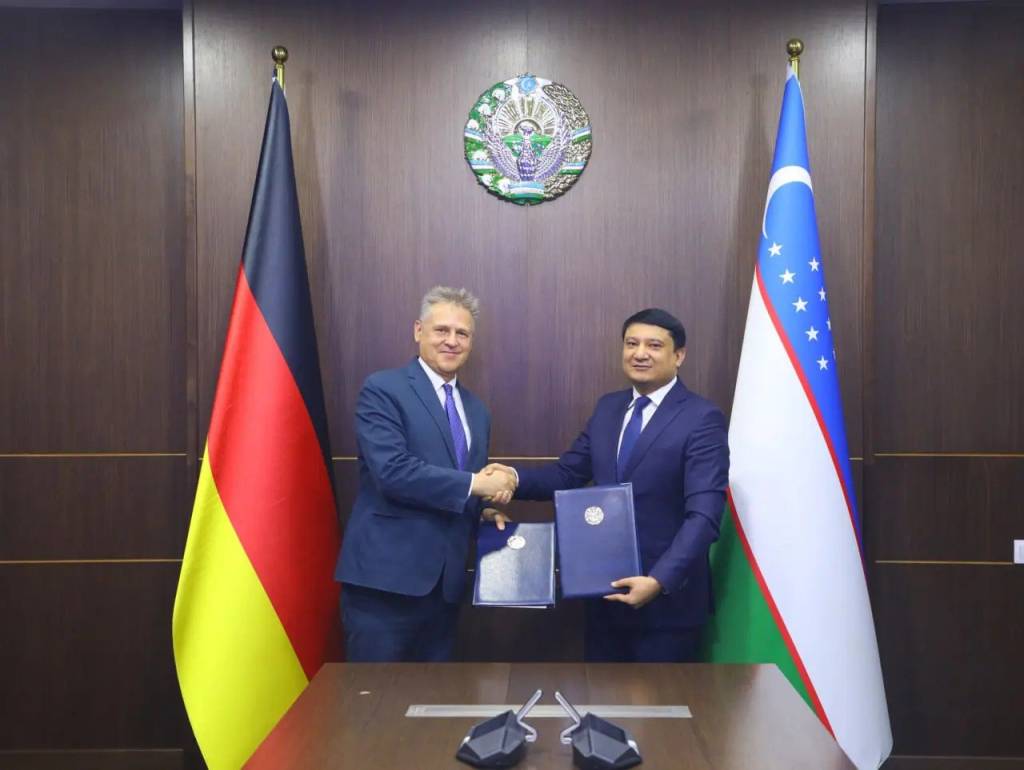
The Ministry of Higher Education, Science and Innovation of the Republic of Uzbekistan and the German Agency for International Cooperation (GIZ) have signed an agreement to implement a project to support reforms and modernize Uzbekistan’s vocational education system (TexVET-II).

The initiative aims to expand dual education, a model that allows students at technical schools to combine theoretical training with work in enterprises.

The project involves adapting educational programs to the needs of the labor market, improving the quality of training, and expanding women’s opportunities to gain a profession and increase their income.
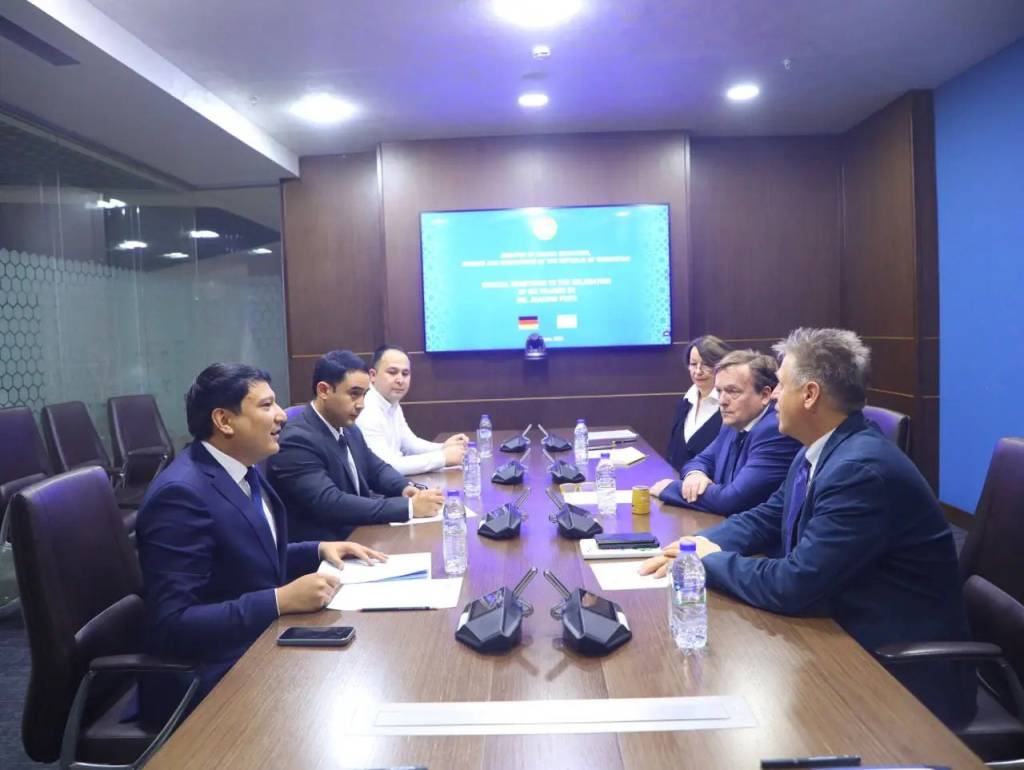
As part of this project, international experts will be involved in modernizing educational modules, and business representatives will be directly involved in student education. In addition, technical schools will receive updated materials and a technical base.

The TexVET-II initiative is also focused on strengthening young people’s practical skills and training qualified specialists, thereby increasing the competitiveness of the national labor market and ensuring access to modern, sought-after professions.

Aziza Alimova, UzA

English
Chinese
Turkish
Tajik
Kyrgyz
Turkmen
Japanese
Arabic
English
French
Spanish
Русский
German
Ўзбек
Oʻzbek
Қазақ
A new project for the development of dual education in the vocational education system

The Ministry of Higher Education, Science and Innovation of the Republic of Uzbekistan and the German Agency for International Cooperation (GIZ) have signed an agreement to implement a project to support reforms and modernize Uzbekistan’s vocational education system (TexVET-II).

The initiative aims to expand dual education, a model that allows students at technical schools to combine theoretical training with work in enterprises.

The project involves adapting educational programs to the needs of the labor market, improving the quality of training, and expanding women’s opportunities to gain a profession and increase their income.

As part of this project, international experts will be involved in modernizing educational modules, and business representatives will be directly involved in student education. In addition, technical schools will receive updated materials and a technical base.

The TexVET-II initiative is also focused on strengthening young people’s practical skills and training qualified specialists, thereby increasing the competitiveness of the national labor market and ensuring access to modern, sought-after professions.

Aziza Alimova, UzA