
When foreign historians and scholars research the history of Uzbekistan and the lives of our great thinkers, we often hear the following appeal from them: “The youth of your country must deeply understand whose descendants they are and the glorious spiritual heritage they have inherited”.

Indeed, in recent years, as Uzbekistan continues to reform and modernize its educational system, President Shavkat Mirziyoyev has put forward initiatives that further strengthen the pride and dignity of the country’s people.

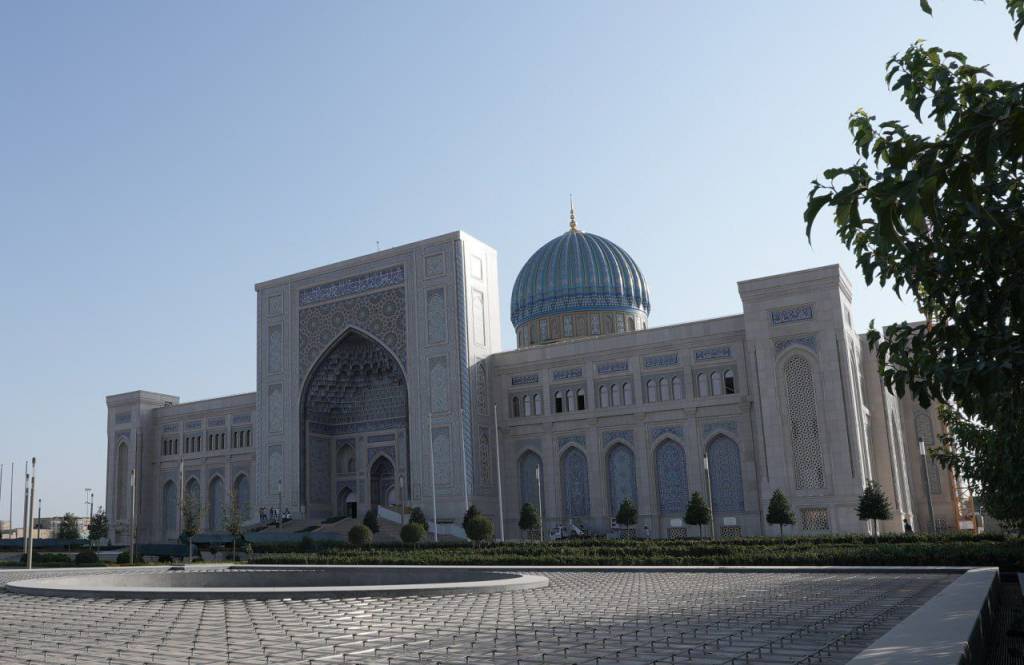
The Center for Islamic Civilization in Uzbekistan, currently under construction in Tashkent, is one of the country’s most remarkable institutions, serving as a symbol of national identity and resilience. On the eve of the 34th anniversary of the country’s independence, work is being carried out day and night to develop an exhibition that will fully reveal the depth of Uzbekistan’s vast, rich, and proud history and its priceless heritage.

The exhibition of the museum complex will feature several historical halls, including: “The Hall of the Holy Quran”, “Pre-Islamic Civilizations”, “The Era of the First Renaissance”, “The Era of the Second Renaissance”, “The Era of Uzbek Khanates”, “Uzbekistan in the 20th Century”, and “New Uzbekistan – A New Renaissance”.

These sections reflect different stages in the development of civilization. At the same time, intensive work is being carried out on numerous religious, enlightenment, and innovative media projects.
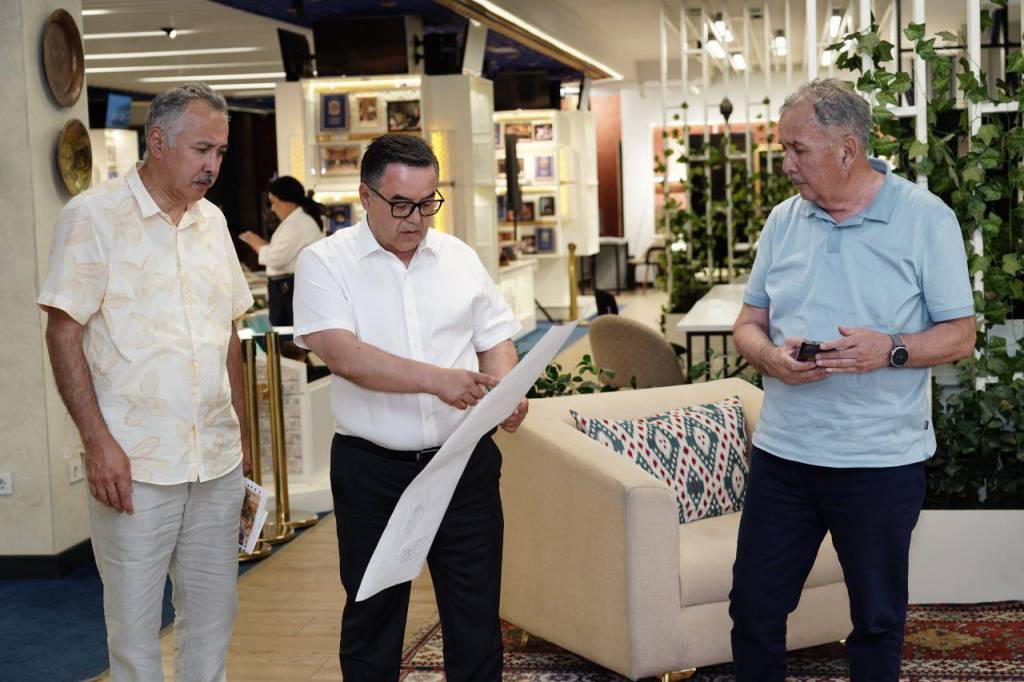
More than 2,000 domestic and international scholars, experts in science and modern technologies, museologists, researchers, and designers are contributing to the creation of the center’s exhibition, which is based on the concept of “Civilizations, People, Discoveries”.

At a recent meeting chaired by Firdavs Abdukhalikov, Head of the Center for Islamic Civilization in Uzbekistan and Chairman of the Academic Council, a campaign titled “Thirty Intensive Days” was announced to accelerate progress in this area.

Unlike the traditional museum approach, the Center presents Islamic civilization not merely through exhibits, but through the lives and discoveries of prominent historical figures. Currently, 403 projects are being implemented to develop a comprehensive and immersive exhibition. The Center for Islamic Civilization is not just a collection of artifacts – it is a space that creates a time-traveling experience, connecting the past, present, and future through innovative technologies.

The words of President Shavkat Mirziyoyev that “this center must become not only a guardian of history, but also an intellectual space that connects the past, present, and future and defines the key directions of our development”, have become a guiding principle for the large team of scholars and educators working at the center.

In fulfilling this vision, particular attention is being paid to the effective use of the latest information technologies. For instance, the innovative project “Corridor of Time” unites all exhibition halls, offering visitors the opportunity to journey through history, moving from one historical era to another.

The “Time Capsule” project will be an interactive initiative grounded in the values of Islamic culture, designed to leave messages for future generations. The “Wall of Time” is a massive multimedia panel where key historical periods, remarkable discoveries, and renowned figures from different eras come to life through holography, installations, and projection technologies.

These technological solutions offer visitors not only an opportunity to explore the exhibition but also to embark on a captivating journey through the centuries. To enhance the exhibition, scholars, research groups, and museum experts from both Uzbekistan and abroad have been involved. As a result, the Center for Islamic Civilization in Uzbekistan has become a powerful and promising research platform.

To expand the exhibition content, the Center, together with the World Society for the Study, Preservation, and Popularization of the Cultural Heritage of Uzbekistan (WOSCU), plans to publish album-books in the series “Cultural Heritage of Uzbekistan in World Collections” and “Architectural Epigraphy of Uzbekistan”, as well as to produce facsimile editions of priceless ancient manuscripts.
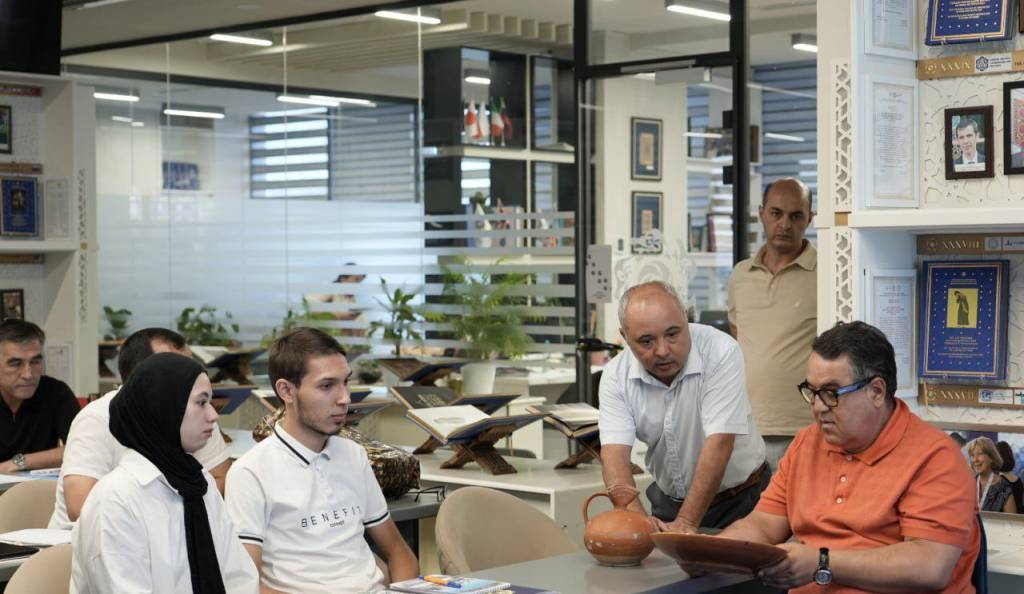
To organize an exhibition of artifacts and antiquities held outside the country as part of the international exhibition “The Cultural Heritage of Uzbekistan – A Treasure of All Humanity”, more than 500 research institutions from over 40 foreign countries were engaged, with the participation of the Ministry of Foreign Affairs for the opening ceremony of the Center. Over 5,000 scholars, experts, media representatives, and specialists interested in Uzbekistan’s cultural legacy joined efforts toward a shared goal. A dialogue platform was launched, hosting international forums, seminars, training sessions, and masterclasses under a dedicated program. Plans are underway to organize exhibitions in cooperation with leading libraries and scientific centers around the world, along with temporary and permanent displays of rare artifacts from global collections. The establishment of scholarly associations uniting foreign researchers of Uzbekistan’s cultural heritage is also envisaged.

In total, around 50 major collectors directly connected to Uzbekistan’s cultural and historical heritage are expected to take part. This is a unique event in the history of global museology – an unprecedented occasion where dozens of the world’s leading museums will unite around the heritage of a single country.

One of the key areas of international cooperation is the creation of high-quality replicas of ancient monuments and the digitalization of cultural heritage objects. By presidential directive, a special laboratory and workshop will be established to produce precise replicas of historical artifacts for international exhibitions. In addition, new technologies will be introduced for the creation and restoration of modern 3D reproductions of historical monuments.

The Center is also actively working on developing an educational platform for children and adolescents. This project will allow young people to interactively “engage” with prominent historical figures, scholars, and military leaders of the past.

In short, there is no doubt that this magnificent institution, showcasing the immense educational potential and rich cultural heritage of the country, will become a unique symbol of enlightenment and a hallmark of New Uzbekistan.

Nazokat Usmanova, UzA

English
Chinese
Turkish
Tajik
Kyrgyz
Turkmen
Japanese
Arabic
English
French
Spanish
Русский
German
Ўзбек
Oʻzbek
Қазақ
A majestic center of enlightenment in Uzbekistan

When foreign historians and scholars research the history of Uzbekistan and the lives of our great thinkers, we often hear the following appeal from them: “The youth of your country must deeply understand whose descendants they are and the glorious spiritual heritage they have inherited”.

Indeed, in recent years, as Uzbekistan continues to reform and modernize its educational system, President Shavkat Mirziyoyev has put forward initiatives that further strengthen the pride and dignity of the country’s people.

The Center for Islamic Civilization in Uzbekistan, currently under construction in Tashkent, is one of the country’s most remarkable institutions, serving as a symbol of national identity and resilience. On the eve of the 34th anniversary of the country’s independence, work is being carried out day and night to develop an exhibition that will fully reveal the depth of Uzbekistan’s vast, rich, and proud history and its priceless heritage.

The exhibition of the museum complex will feature several historical halls, including: “The Hall of the Holy Quran”, “Pre-Islamic Civilizations”, “The Era of the First Renaissance”, “The Era of the Second Renaissance”, “The Era of Uzbek Khanates”, “Uzbekistan in the 20th Century”, and “New Uzbekistan – A New Renaissance”.

These sections reflect different stages in the development of civilization. At the same time, intensive work is being carried out on numerous religious, enlightenment, and innovative media projects.

More than 2,000 domestic and international scholars, experts in science and modern technologies, museologists, researchers, and designers are contributing to the creation of the center’s exhibition, which is based on the concept of “Civilizations, People, Discoveries”.

At a recent meeting chaired by Firdavs Abdukhalikov, Head of the Center for Islamic Civilization in Uzbekistan and Chairman of the Academic Council, a campaign titled “Thirty Intensive Days” was announced to accelerate progress in this area.

Unlike the traditional museum approach, the Center presents Islamic civilization not merely through exhibits, but through the lives and discoveries of prominent historical figures. Currently, 403 projects are being implemented to develop a comprehensive and immersive exhibition. The Center for Islamic Civilization is not just a collection of artifacts – it is a space that creates a time-traveling experience, connecting the past, present, and future through innovative technologies.

The words of President Shavkat Mirziyoyev that “this center must become not only a guardian of history, but also an intellectual space that connects the past, present, and future and defines the key directions of our development”, have become a guiding principle for the large team of scholars and educators working at the center.

In fulfilling this vision, particular attention is being paid to the effective use of the latest information technologies. For instance, the innovative project “Corridor of Time” unites all exhibition halls, offering visitors the opportunity to journey through history, moving from one historical era to another.

The “Time Capsule” project will be an interactive initiative grounded in the values of Islamic culture, designed to leave messages for future generations. The “Wall of Time” is a massive multimedia panel where key historical periods, remarkable discoveries, and renowned figures from different eras come to life through holography, installations, and projection technologies.

These technological solutions offer visitors not only an opportunity to explore the exhibition but also to embark on a captivating journey through the centuries. To enhance the exhibition, scholars, research groups, and museum experts from both Uzbekistan and abroad have been involved. As a result, the Center for Islamic Civilization in Uzbekistan has become a powerful and promising research platform.

To expand the exhibition content, the Center, together with the World Society for the Study, Preservation, and Popularization of the Cultural Heritage of Uzbekistan (WOSCU), plans to publish album-books in the series “Cultural Heritage of Uzbekistan in World Collections” and “Architectural Epigraphy of Uzbekistan”, as well as to produce facsimile editions of priceless ancient manuscripts.

To organize an exhibition of artifacts and antiquities held outside the country as part of the international exhibition “The Cultural Heritage of Uzbekistan – A Treasure of All Humanity”, more than 500 research institutions from over 40 foreign countries were engaged, with the participation of the Ministry of Foreign Affairs for the opening ceremony of the Center. Over 5,000 scholars, experts, media representatives, and specialists interested in Uzbekistan’s cultural legacy joined efforts toward a shared goal. A dialogue platform was launched, hosting international forums, seminars, training sessions, and masterclasses under a dedicated program. Plans are underway to organize exhibitions in cooperation with leading libraries and scientific centers around the world, along with temporary and permanent displays of rare artifacts from global collections. The establishment of scholarly associations uniting foreign researchers of Uzbekistan’s cultural heritage is also envisaged.

In total, around 50 major collectors directly connected to Uzbekistan’s cultural and historical heritage are expected to take part. This is a unique event in the history of global museology – an unprecedented occasion where dozens of the world’s leading museums will unite around the heritage of a single country.

One of the key areas of international cooperation is the creation of high-quality replicas of ancient monuments and the digitalization of cultural heritage objects. By presidential directive, a special laboratory and workshop will be established to produce precise replicas of historical artifacts for international exhibitions. In addition, new technologies will be introduced for the creation and restoration of modern 3D reproductions of historical monuments.

The Center is also actively working on developing an educational platform for children and adolescents. This project will allow young people to interactively “engage” with prominent historical figures, scholars, and military leaders of the past.

In short, there is no doubt that this magnificent institution, showcasing the immense educational potential and rich cultural heritage of the country, will become a unique symbol of enlightenment and a hallmark of New Uzbekistan.

Nazokat Usmanova, UzA