


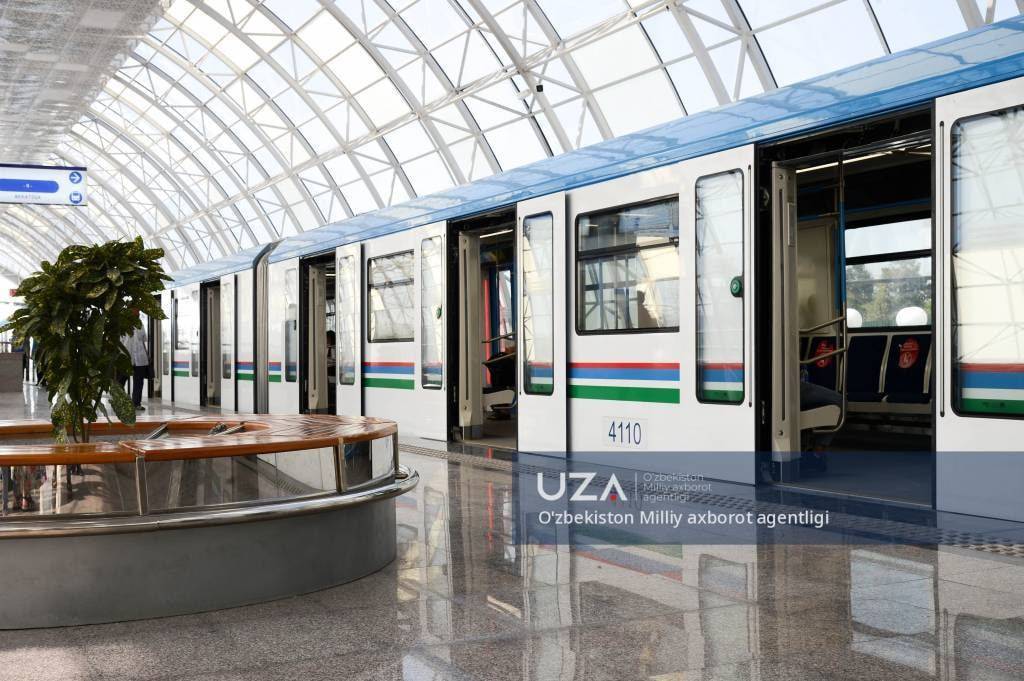
On November 7, 1977, Tashkent Metro began transporting passengers.
The history of Tashkent Metro is as follows: first, the underground consisted of one direction with 9 stations. The first direction was the Chilanzar line, which continued from the Almazar station to the Amir Temur station. The total length of the direction was 10.5 km.
Over time, the metro, like everything else, has changed a lot, and modern technologies are also reflected in its system. In recent years, especially as a result of large-scale work on the development of public transport and the creation of amenities for the population, the capital’s metro has acquired a new, modern look. In addition, overground lines have been built.
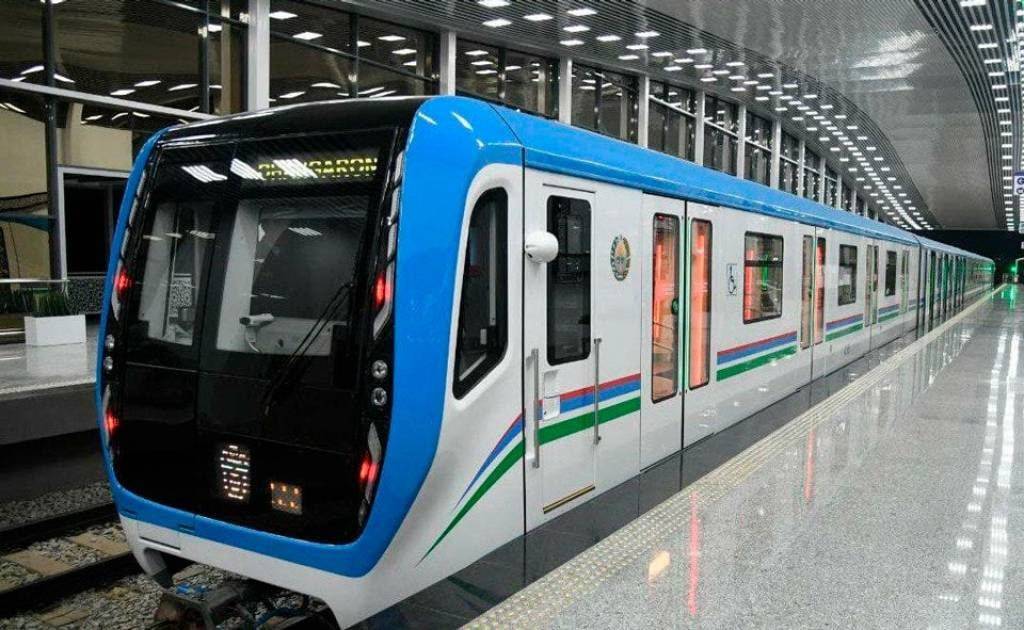
Each station has a unique design and, like a work of art, enchants and attracts the attention of the capital’s passengers and guests. The metro’s high speed and convenience make it an indispensable means of transport, and the population uses it widely.
Let’s turn to the numbers. As reported by the Tashkent Metro SUE, for almost 40 years, there were 29 metro stations, and the total length was 38 km. Over the past 6 years, an additional 33 kilometers of metro line and 21 new stations have been operated.
Currently, the Tashkent Metro has 50 stations in 4 directions. The length of the routes reached 71 km. The number of passengers using it increases daily by 950 thousand people.
Today, more than 6,000 employees work in the Tashkent Metro. They make every effort to get passengers to their destinations quickly and safely.
The Tashkent Metro has become an integral part of city life as a convenient public transport system that provides comfortable service to passengers.
Mukhtarama Komilova, UzA