


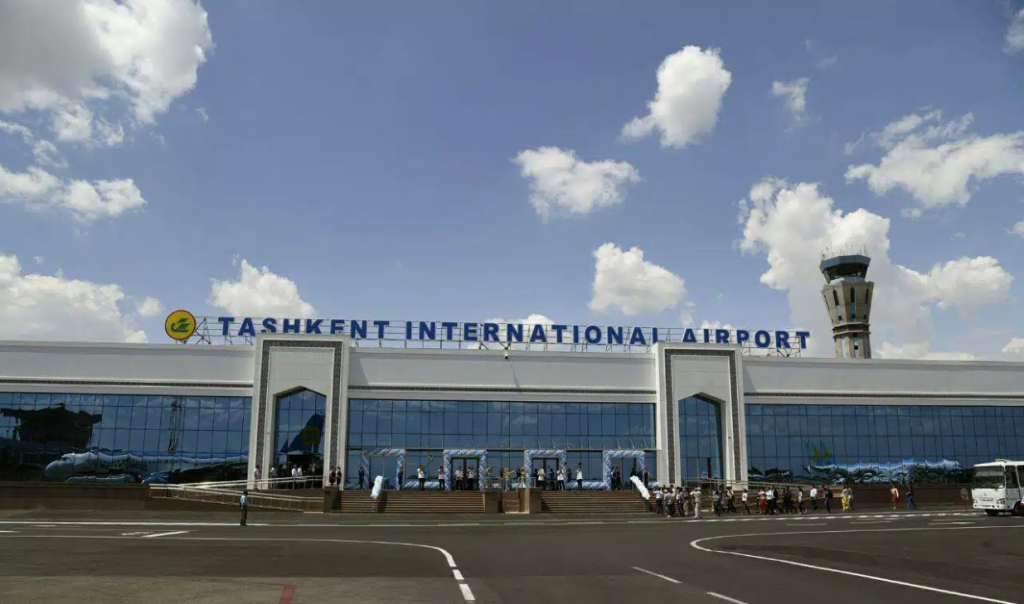
For Uzbekistan Airports, 2025 became not just another line in the report, but a confident step forward – a year in which growth was felt at literally all altitudes. The country’s airports operated at a constant rhythm of movement, connecting cities, countries, and continents, and this rhythm was faster and richer than a year earlier.
From January to December, Uzbekistan’s air harbors handled 128,972 flights, which is 14 percent more than in 2024. The main share was made up of international destinations: 92,480 flights connected the country with the outside world, while 36,492 flights provided internal mobility, making domestic flights an increasingly familiar and convenient way to travel. These figures reflect the growing confidence of passengers and airlines in infrastructure and service.
The dynamics were even more evident in passenger traffic. During the year, 15,504,264 people used the services of Uzbekistan’s airports, an impressive 15 percent increase. The vast majority of passengers, 12.7 million, chose international flights, which underlines the strengthening of the country’s global connectivity. At the same time, almost 2.8 million passengers traveling within the country speak of a gradual but steady expansion of domestic flights.
The cargo segment, which has traditionally been an indicator of business activity, has not been left out. In 2025, 98,137 tons of cargo and mail passed through the country’s airports, up 12 percent from a year earlier. This growth indicates an increase in the logistical attractiveness of Uzbekistan and its role as an essential transit hub in the region.
The expansion of air transportation’s geography deserves special attention. During the year, four new passenger airlines arrived at Uzbekistan’s airports at once: Air China and China Eastern, T’way, and AirAsia. Their appearance has become not only a symbol of openness, but also a practical step towards expanding route choices and fostering a competitive environment.
The results of 2025 clearly show that Uzbekistan’s aviation industry is developing consistently and confidently. The growth of international mobility, increased domestic connectivity, and the influx of new airlines form a solid foundation for moving toward a world where distances are shortening and opportunities are getting closer.
Roman Bondarchuk, UzA