Uzbekistan's initiatives serve to ensure shared prosperity within the SCO region
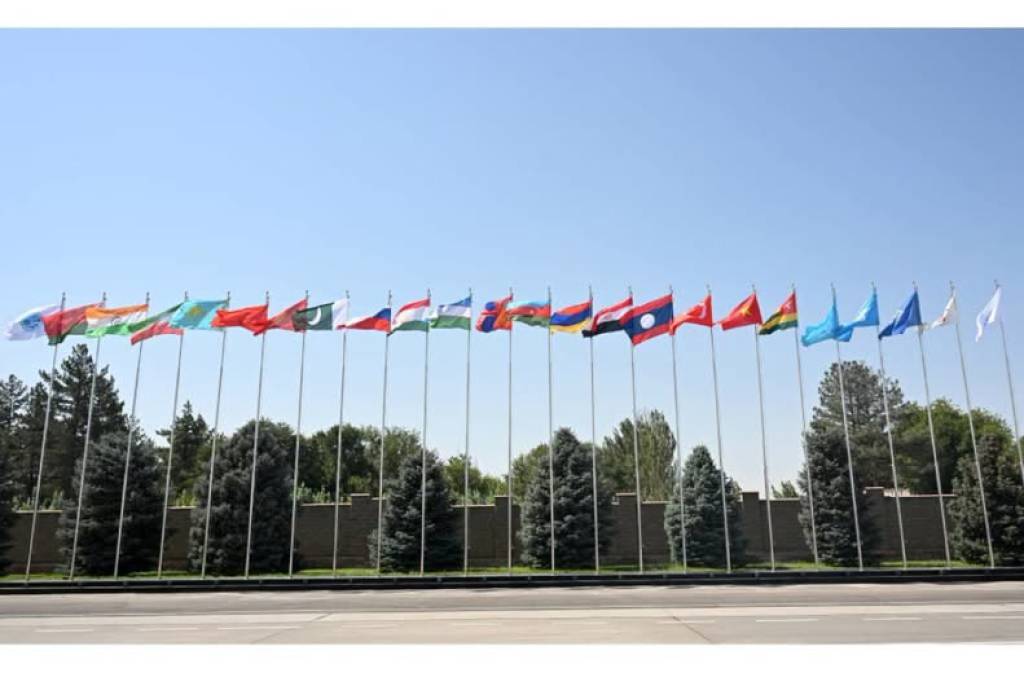
The anniversary meeting of the Council of Heads of State of the Shanghai Cooperation Organization (SCO) in Bishkek served not only to summarize the organization's 25 years of activity but also to define future pressing and priority tasks.
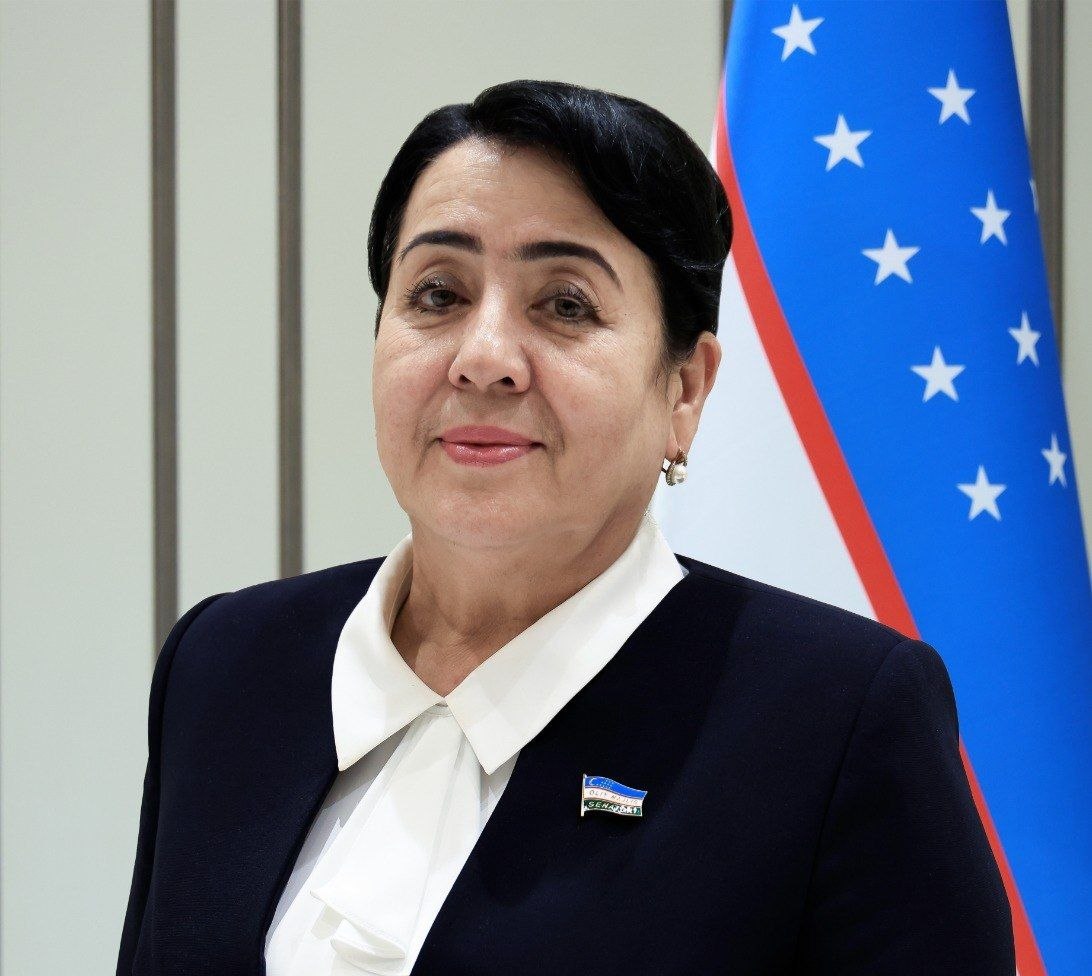
Pokiza Akhmadjonova, a member of the Senate of the Oliy Majlis, shared her views on this matter:
– Over the past years, the SCO has come a long way in its development and has become an influential international platform for strengthening political dialogue, mutual trust, and multilateral cooperation in Eurasia.
The expansion of the Organization's membership, the development of its mechanisms, and the emergence of new areas of cooperation testify to the SCO's growing role in addressing pressing issues of regional and international development.
From its very first days, Uzbekistan has consistently supported the strengthening of the SCO as an open, non-aligned, and peace-loving platform for cooperation.
Our country chaired the organization in 2003-2004, 2009-2010, 2015-2016, and 2021-2022. The 2016 Tashkent Summit holds a special place in the organization's history, as the agreements reached at it served to further expand the organization's geographical scope and international prestige.
Since 2017, Uzbekistan has taken a proactive approach to developing cooperation within the SCO. Between 2017 and 2025, our head of state put forward 118 initiatives in the political, trade-economic, transport-logistics, innovation, and other spheres. This has further strengthened our country's active and constructive role within the SCO.
The summit held in Samarkand in September 2022 under Uzbekistan's chairmanship holds a special place in the Organization's development. This is because a record 44 documents were adopted as a result. They laid the groundwork for expanding trade and economic ties, strengthening transport connectivity, and elevating partnerships in industrial cooperation, energy, digitalization, food security, and other priority areas to a new level.
The participation of our President in the anniversary meeting of the Council of Heads of State of the SCO, held on September 1 of this year in Bishkek, once again clearly demonstrated Uzbekistan's active, proactive, and constructive position on the international stage.
Our head of state drew attention to the most pressing tasks facing the SCO and put forward a number of proposals aimed at defining the long-term development directions of the organization. For example, the proposal to develop the conceptual vision "SCO - 2040: A Space of Common Development" serves to create new opportunities for shared progress and to unite the efforts of member states around common goals. In other words, this is about transitioning from a set of sectoral programs to a common model of an interconnected space with direct links between investments, the flow of technologies and knowledge, joint ventures, and regions and businesses.
Another of the most important practical initiatives put forward by our head of state was the creation of the SCO Industrial Cooperation Map. This mechanism would transform the organization's vast geographical and economic scale into real cross-border production chains, uniting special economic zones, production processes, sales markets, and logistics systems within a single universal digital window created for entrepreneurs, investors, and government bodies. This would allow them to form new projects, expand industrial cooperation, and further develop mutually beneficial ties.
At the Bishkek summit, our head of state called the attention of the attendees to the practical launch of the SCO Development Bank. How important is this for the organization? The SCO has many ideas related to the transport, energy, and digital sectors, but it lacks its own mechanism to turn them into a ready-made portfolio of bankable projects. The Interbank Association coordinates the activities of banks but cannot replace a development institution with unified criteria for expertise, co-financing, and oversight. The bank could fill precisely this institutional gap, primarily for multilateral projects where the benefits and risks are shared among several countries.
Today, global risks associated with climate change have become one of the most pressing problems directly affecting food, water, and energy security. In such conditions, it is becoming a vital necessity to consider these areas not in isolation, but in close interconnection, and to form a unified and coordinated agenda within the SCO space.
An important practical step in this process will be the creation of a specialized SCO mechanism to coordinate comprehensive programs and facilitate the exchange of technologies and advanced knowledge. Developing an SCO Technological Cooperation Program for water and energy efficiency through 2035 will serve to promote the rational use of resources, strengthen environmental sustainability, and jointly find effective solutions to common threats. Indeed, in today's complex environmental conditions, sustainable development can only be achieved through mutual trust, solidarity, and practical cooperation.
In short, the initiatives put forward by Uzbekistan at the SCO's Bishkek Summit were a logical continuation of a consistent policy aimed at ensuring mutual trust, peace, and shared development.
N. Abduraimova, UzA