The Youth of the New Uzbekistan
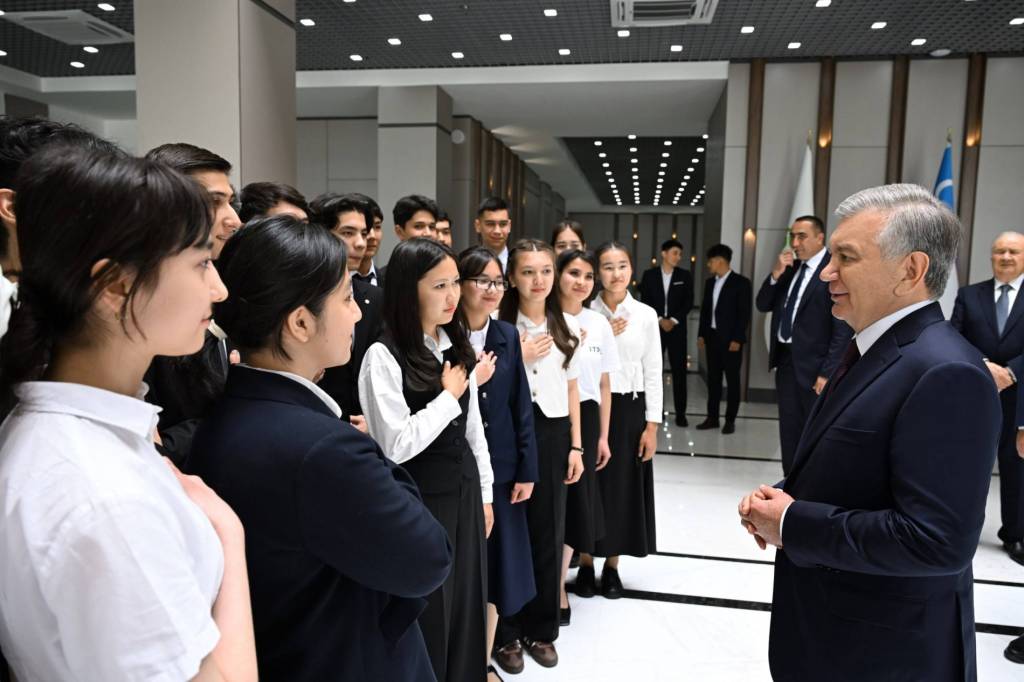
Uzbekistan is one of the youngest countries in Central Asia. With a population of nearly 40 million, about 9.5 million of the republic's inhabitants are young people aged 14 to 30, which is approximately one in four.
Approximately 270,000 new young families are formed in the country each year. This demographic structure represents a colossal potential for the economy. A young, energetic, and rapidly growing population, with well-thought-out employment, education, and social support policies, becomes the main driver of development.
The state has chosen systematic work with youth as one of its strategic priorities. In recent years, Uzbekistan has built an extensive institutional system, ranging from a specialized Youth Affairs Agency and the position of "youth leader" to digital platforms that record the needs of every young citizen in the country.
Employment and Entrepreneurship
One of the most practical dimensions of this policy is employment. In April 2024, the President signed a resolution "On additional measures to implement the 'New Uzbekistan's Youth-2030' strategy and ensure youth employment," which specified dozens of support tools.
Among these is the launch of the Youth Affairs Agency's "New Generation Entrepreneurs" program. By 2030, the plan is to train 20,000 young people in the fundamentals of entrepreneurship, from developing a business project and sales to entering new markets. The top one thousand graduates of the program will receive an official certificate, which will grant them access to preferential financing and other forms of state support.

A separate system has been established to support student startups. Starting in 2024, startup development centers will be introduced in universities, universities have been granted the right to invest in their students' projects, and winners of the national competition for innovative ideas can receive grants of up to 100 million soums. The "Digital Startups" program is also active, with its own grant funding. Since April, participants in such projects are granted "IT Park Uzbekistan" resident status without the minimum export volume requirement, which was previously a significant barrier for beginners.
The infrastructure for technological entrepreneurship is also developing. IT parks are already operating in Tashkent, Fergana, Karshi, Termez, Urgench, and Nukus, with a new complex under construction in Namangan. The plan is to create over 20,000 high-paying jobs for young people specifically through these new IT parks. This is not just one-time grant support, but a systematic expansion of the labor market in the high-tech sector.
Education and Digital Skills as an Investment in Human Capital
A significant portion of the new measures is focused on education—not just traditional, but digital as well. Under the "My First Computer" program, 10,000 young people from low-income families will receive assistance in purchasing laptops.
The Muhammad al-Khwarizmi State Scholarship has been established, along with a special "Girls in Engineering" scholarship—a targeted measure to support talented young women in technical fields where a gender imbalance is traditionally observed. This includes a monetary award of 1 billion soums, which was previously reserved only for winners of international academic Olympiads.
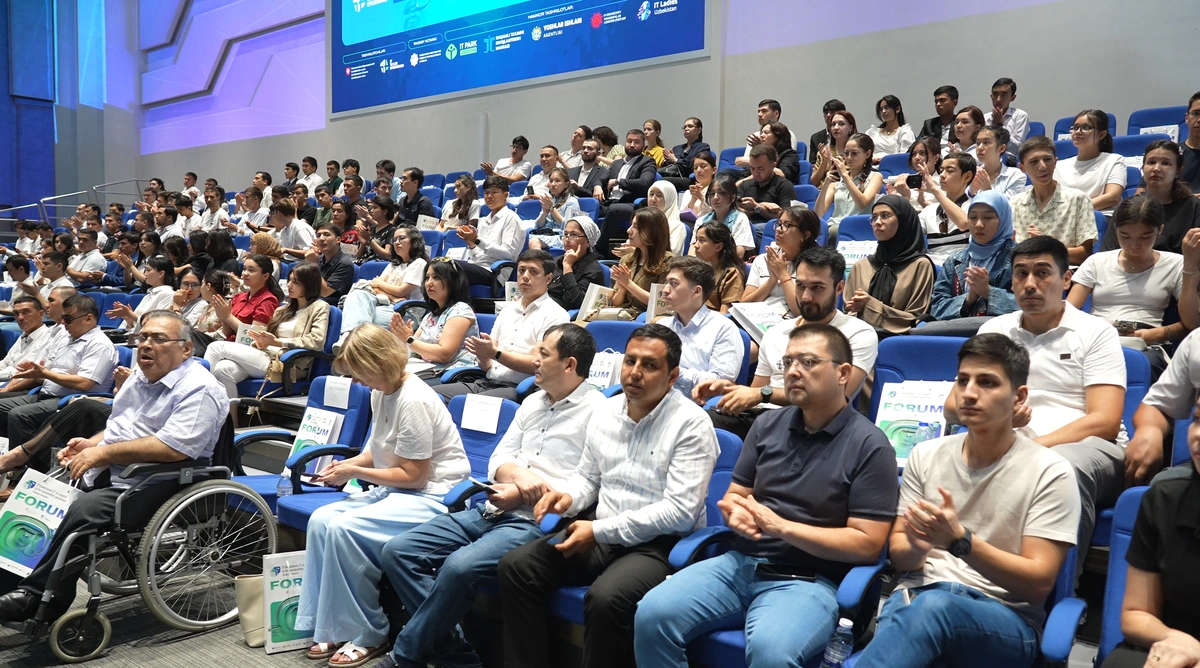
The diversity of the launched initiatives—from entrepreneurship training programs and startup grants to scholarships and digital support for education—shows that youth policy is being built as a cohesive system. The state is simultaneously working on several interconnected tasks.
For a country where nearly one in four residents is between the ages of 14 and 30, and where approximately 270,000 new families are formed annually, such a systematic approach is of strategic importance. The outcome depends on how effectively the state can transform this demographic potential into real opportunities for youth self-realization through stable employment, quality education, and confidence in the future.
Orash Akaboev, UzA