The voice of youth, heard in Samarkand, will transform from political will into practical action.
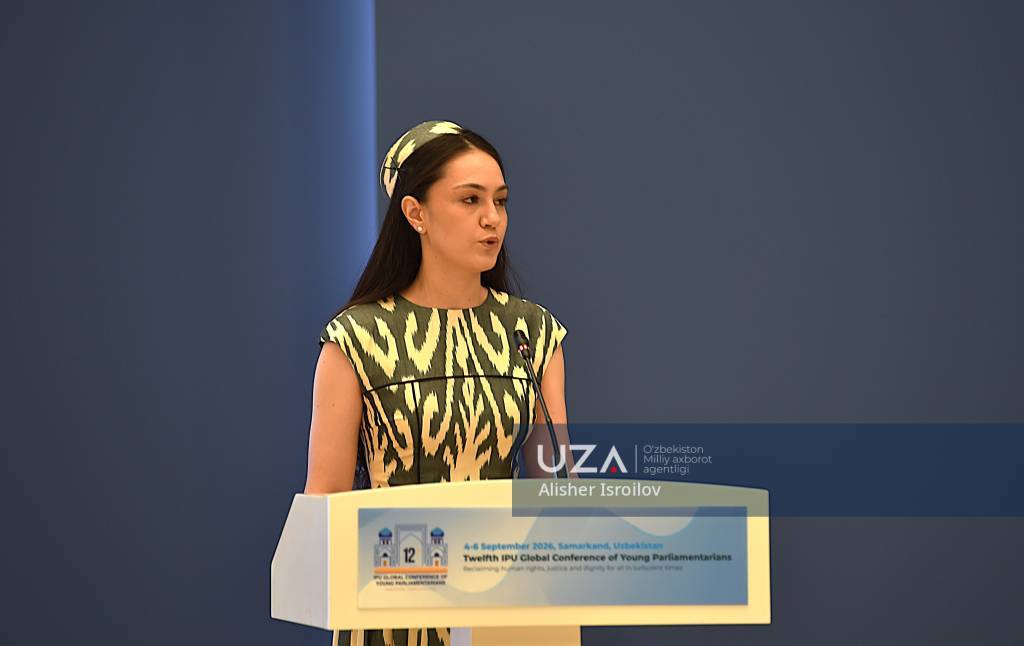
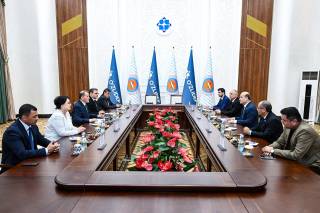
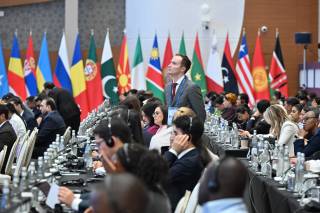
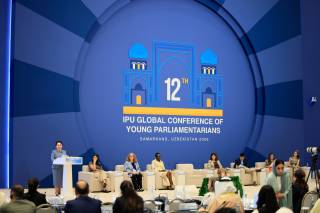
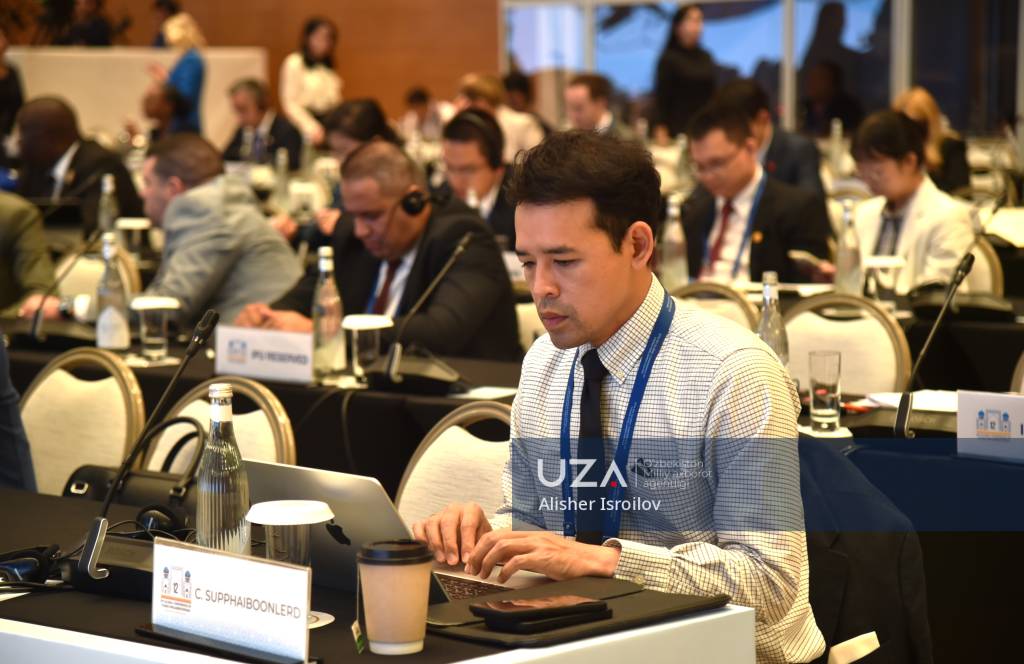
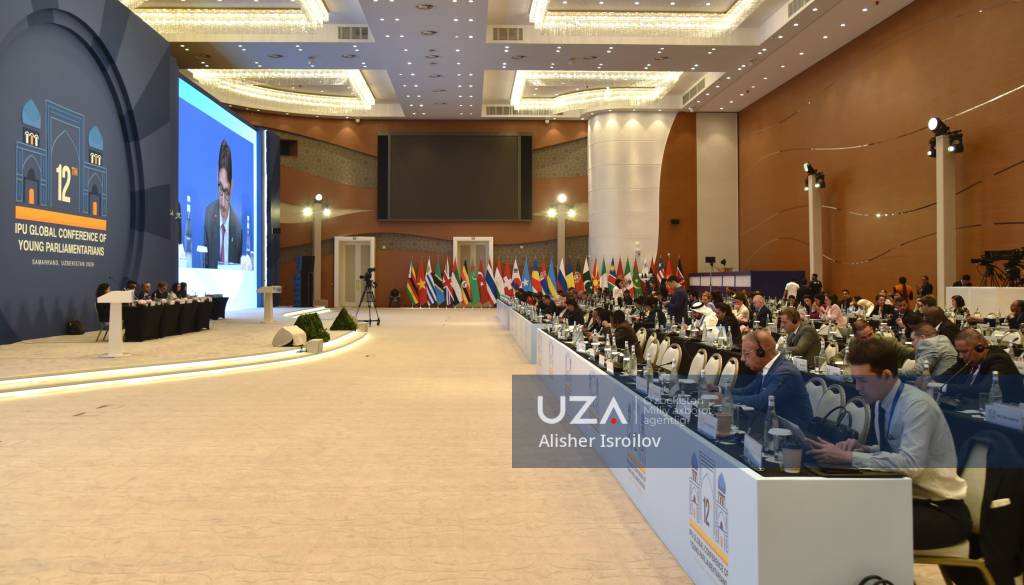
As part of the 12th Global Conference of Young Parliamentarians in Samarkand, young lawmakers from around the world discussed pressing issues such as human rights, justice, youth political participation, education, decent work, digital security, and climate change.
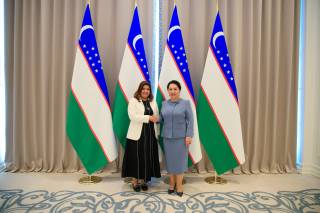
Laylo Aslanova, Chairperson of the Youth Parliament of the Oliy Majlis Senate, shared her thoughts on the prestigious conference:
– Amid the dialogues at the global conference, we reflected on the role of youth in political life and their participation in decision-making processes.
For me, this process begins with a personal memory. I still have a photo on my phone. During our first year at university, a group of us law students visited the Senate building. There are about 90 young people in the photo, and I was the only girl among them.
At that time, it was not easy for girls to choose the legal field. There were even views that "this profession is not for girls." Now, ten years later, here at the Samarkand conference, I am speaking about the voice of youth, their rights, and their opportunities. I see this as a manifestation of the opportunities created in Uzbekistan as a result of state policy.
In this sense, Sustainable Development Goal 5 (SDG 5) – gender equality – is not just a statistical indicator for me. It is about having an equal opportunity to realize one's abilities and potential.
The Samarkand conference provided an opportunity to view this issue from a broader perspective. Because it is not enough just to create opportunities for young people. The most important thing is that their voices are heard, their opinions influence decision-making processes, and this participation becomes a permanent mechanism.
The Youth Parliaments, established in Uzbekistan in 2020, have become one of the important practical mechanisms in this regard. The Youth Parliament under the Senate brings together 100 young people from various regions, giving them the opportunity to gain practical experience in lawmaking, parliamentary oversight, and public dialogue processes.
This, of course, is not an alternative to the parliament. Rather, it is a unique school for preparing young people for political processes, helping them feel a sense of responsibility, and shaping them into confident future leaders.
Today, we should not measure the effectiveness of youth participation solely by the number of meetings or events held. The main criterion is whether the voice of young people is influencing decisions.
This is also the significance of the dialogues in Samarkand. Young parliamentarians are discussing not only youth-related issues but also matters that will determine the future of our entire society, such as the economy, the budget, artificial intelligence, climate change, and peace and security. This is because the youth are the generation that will live longest with the consequences of the decisions being made today.
For me, the most important principle is very simple: no decision concerning young people should be made without their participation.
Youth are the driving force for achieving all the SDGs. The Samarkand global conference has once again demonstrated this idea: the voices of young parliamentarians from various countries were heard. This voice transforms from international dialogue into national decisions, and from political will into practical action.
Norgul Abduraimova,
Alisher Isroilov (photo),
UzA