Outcomes of the Health Routes program
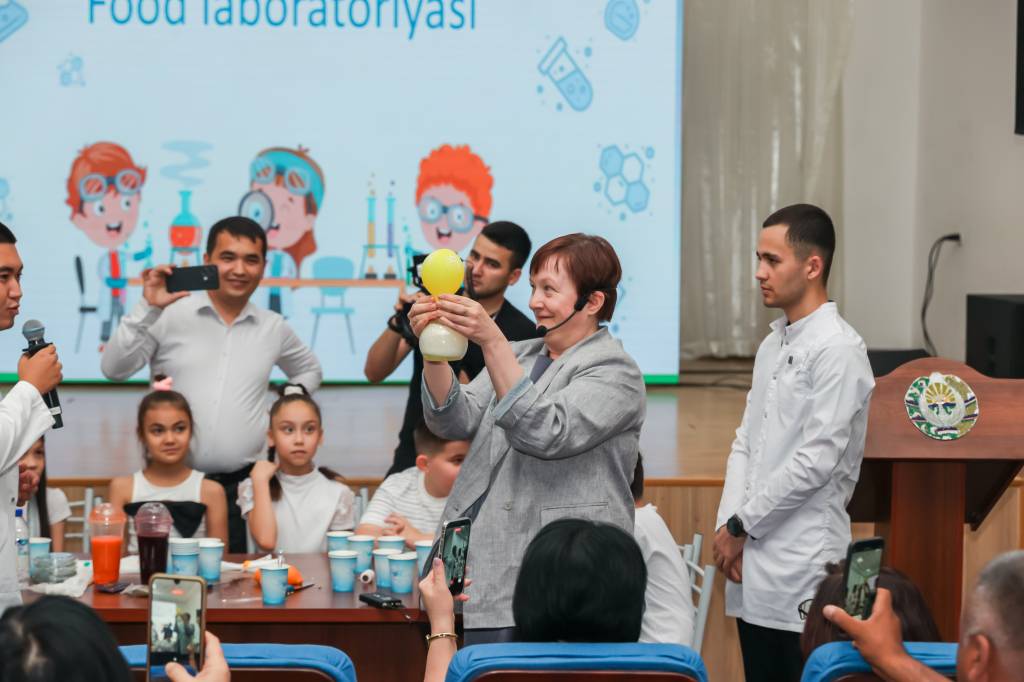
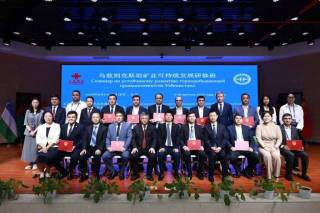
A national seminar was held in Tashkent to discuss the results and prospects of the Health Routes program.
The event gathered healthcare professionals, educators, and specialists.
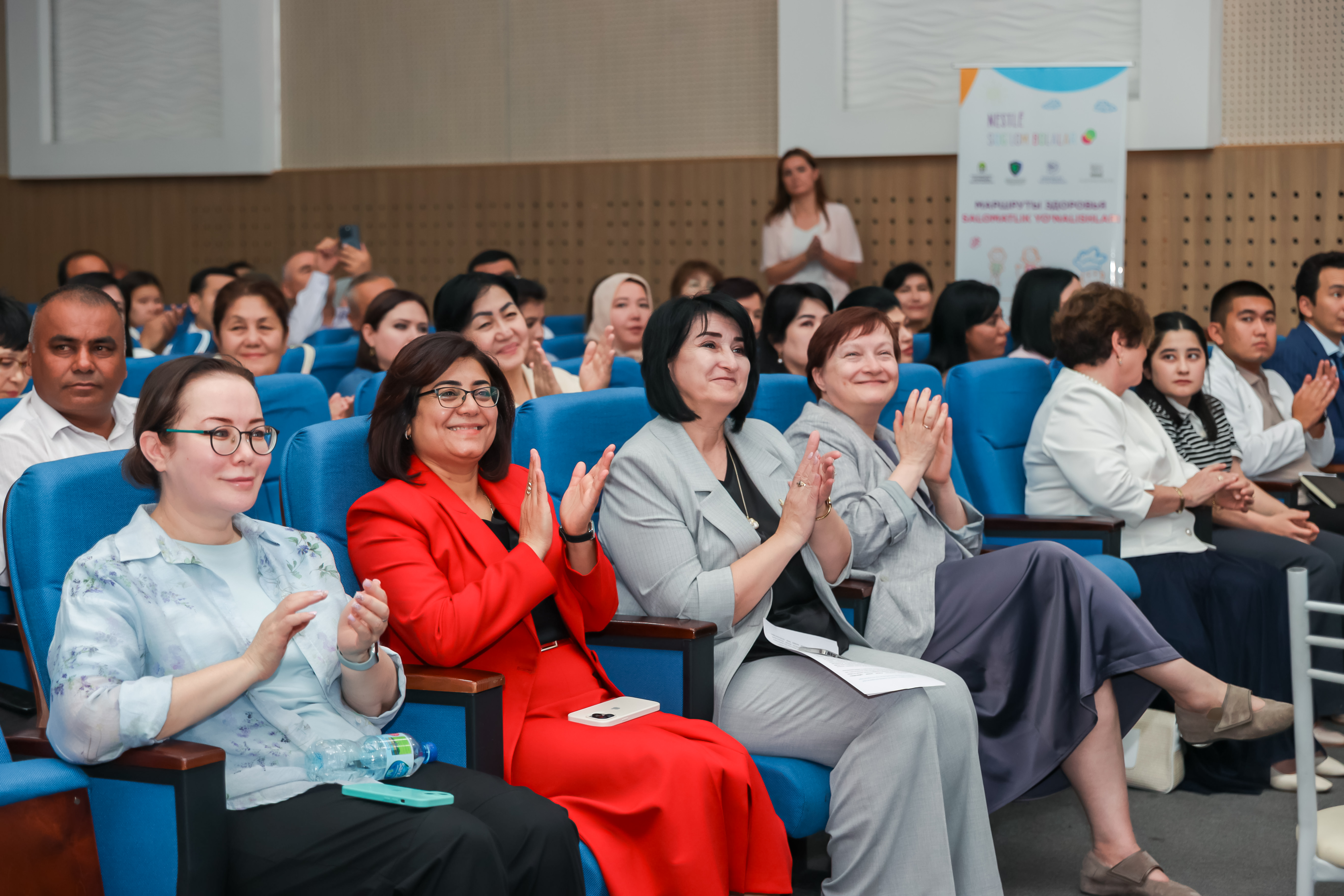
The participants discussed encouraging a healthy generation by adopting healthy lifestyle principles and integrating modern interactive methods into school education.
During the seminar, Professor Guli Shaykhova from Tashkent State Medical University, Alexandra Makeyeva representing the Health Routes program for Russia and Eurasia, Elvira Shikhbadinova, Nestlé’s manager in Uzbekistan, and other speakers highlighted the program’s measurable results and social significance.
The program’s primary aim is to promote a culture of healthy living among young people, encourage healthy eating habits, and enhance environmental awareness.
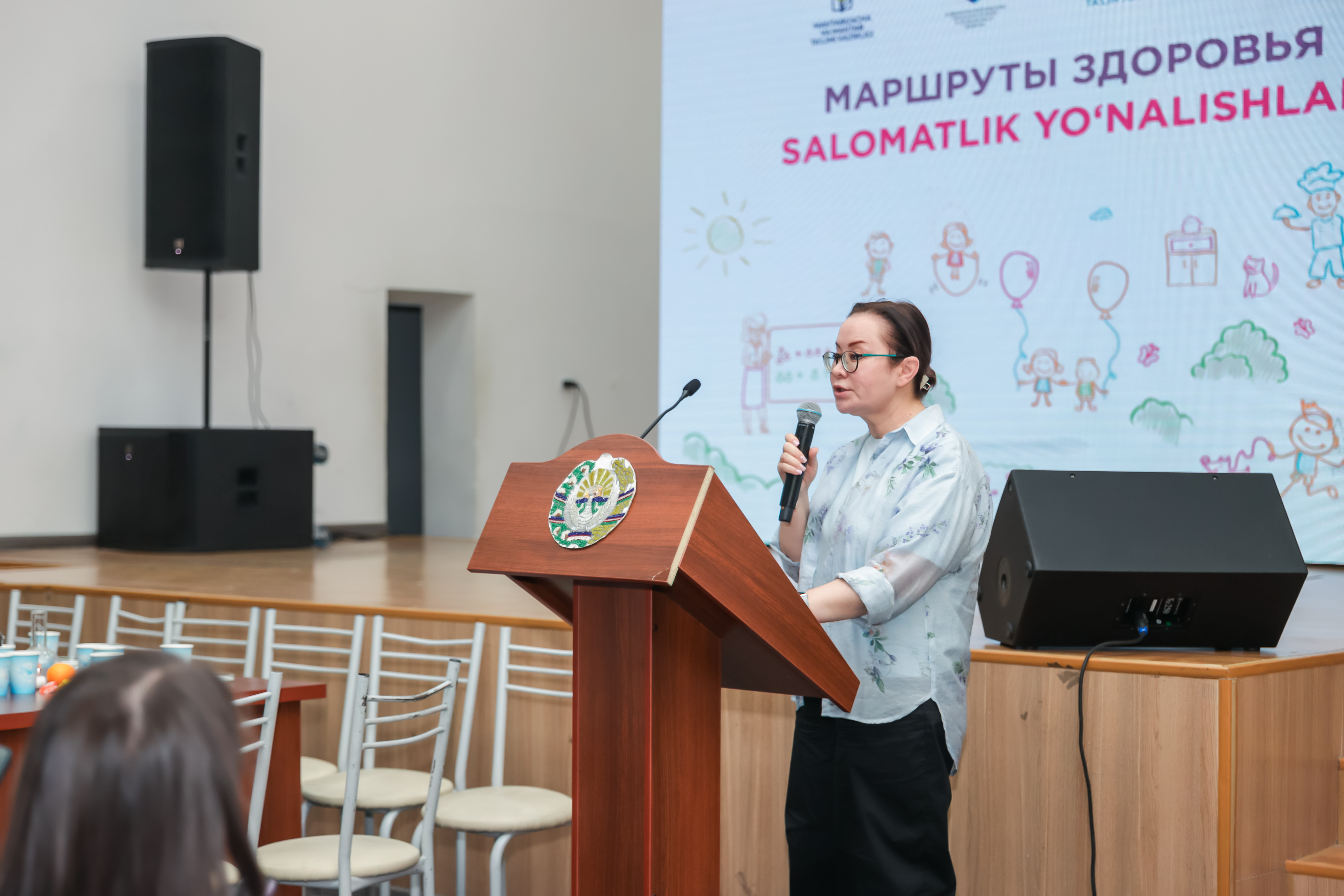
The program is carried out in general education schools across Tashkent, 12 regions, and the Republic of Karakalpakstan, in partnership with the Ministry of Preschool and School Education, the National Committee on Ecology and Climate Change, and Nestlé Uzbekistan. Annually, over 12,000 schoolchildren participate in specialized lessons, hands-on activities, and interactive projects as part of the program.
The seminar examined the program’s implementation results for the 2025-2026 academic year. It also discussed proposals for further improvements, the expansion of interactive approaches, and the introduction of new methods.
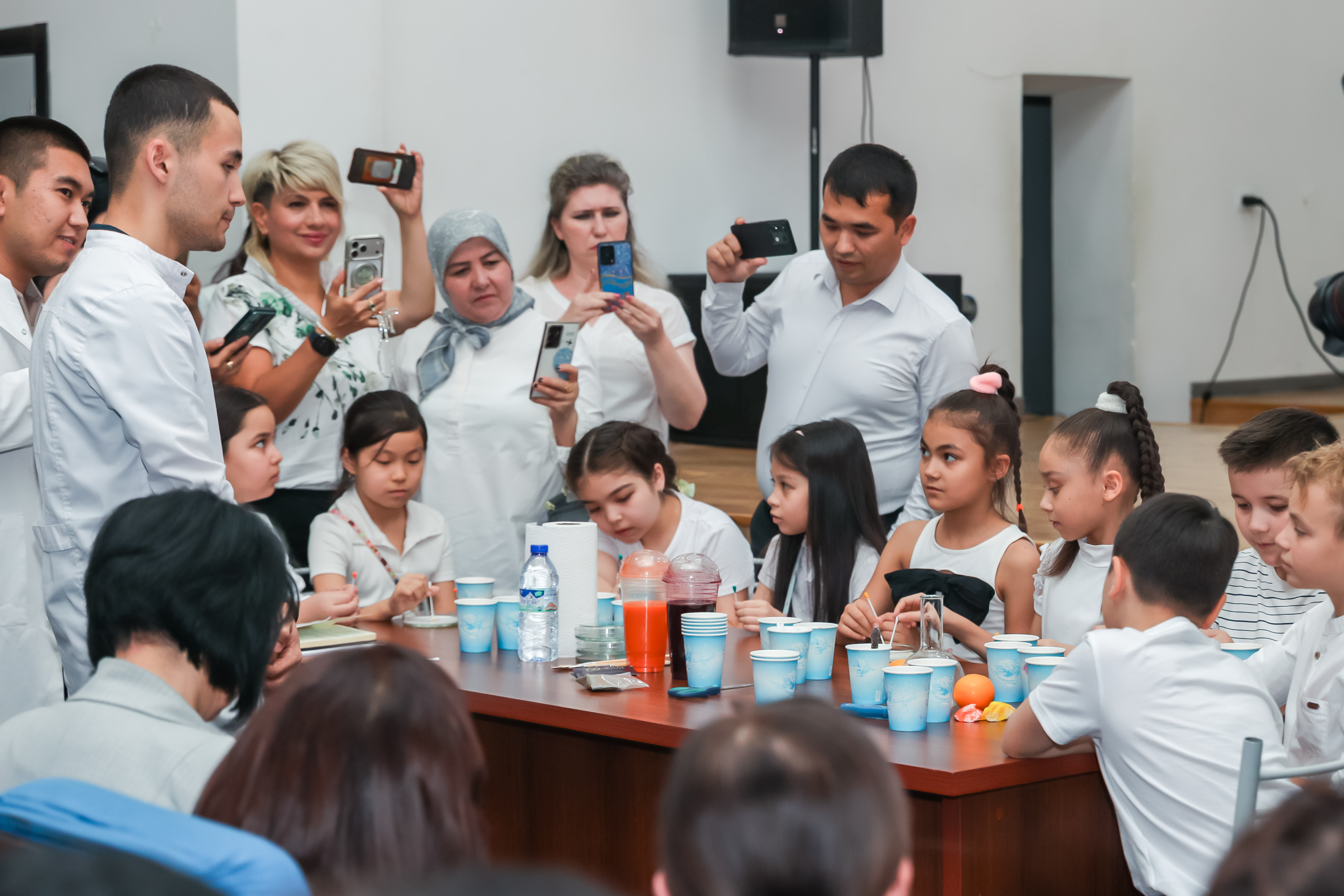
The event’s highlight was the presentation of the interactive Food Laboratory program, which helped students better understand food composition, its impact on the body, and healthy eating principles.
Guli Shaykhova highlighted the importance of further expanding the Food Laboratory program.
“The Health Routes program supports students in developing informed decision-making skills”, she noted. “The knowledge they acquire goes beyond the classroom, as children start applying it in their daily lives. Together with the students, we examined the composition of food products, vitamins, and their benefits. That’s why implementing the Food Laboratory program in schools nationwide is essential”.
Alexandra Makeyeva, who represents the program for Russia and Eurasia, noted that these international exchange programs are highly valuable and effective.
“In today’s fast-paced world, encouraging a healthy lifestyle and fostering good nutrition habits in children are increasingly vital”, she said. “These programs are beneficial because they produce concrete, practical outcomes. The initiative aims to not only increase children’s knowledge but also help them develop crucial life skills”.
The event ended with educators presenting teaching materials, discussing plans for the upcoming academic year, and sharing best practices. Active participants in the program received proper recognition.
Nasiba Ziyodullayeva, UzA