Museums are taking on a new mission
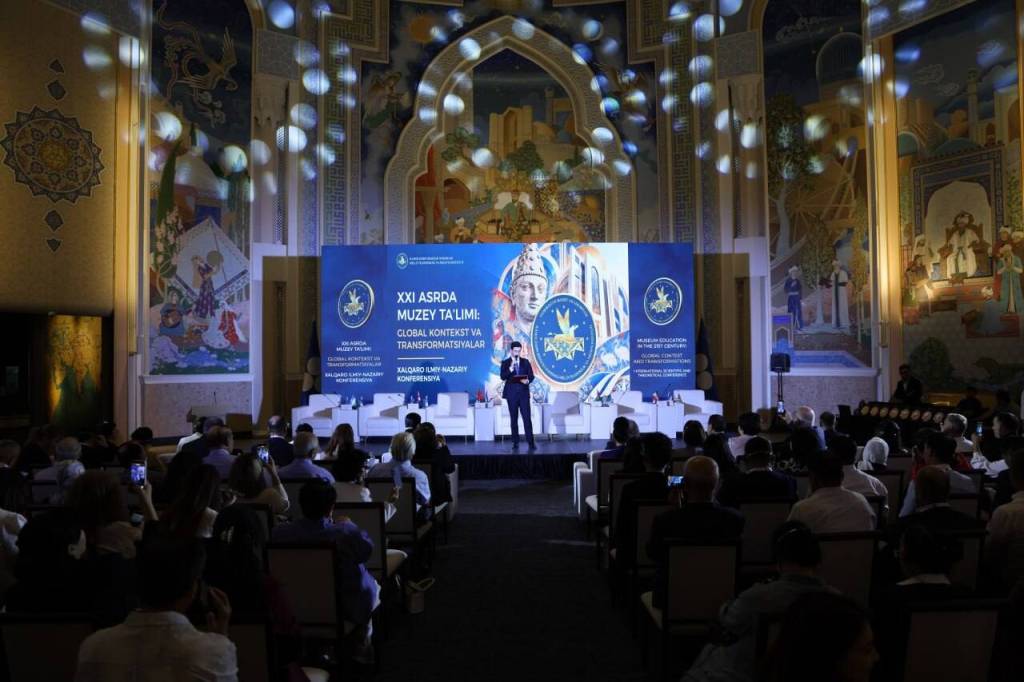
Museums are more than places that keep historical exhibits. They are important educational centers that preserve historical memory and national identity, educate visitors, and shape the worldview of a new generation.
As digital technologies develop rapidly, museums play an increasingly significant role in public life, as does their cooperation with the education system. These issues were among the central topics at the international scientific and theoretical conference “Museum Education in the 21st Century: Global Context and Transformations”. Visitors should be able to experience and understand a particular era through its exhibits, see the connections between historical events, and draw lessons from the past. Achieving this requires new approaches, modern teaching methods, and interactive tools in museum activities.
The effectiveness of museum education depends on how historical information is presented. The same exhibit can make different impressions on visitors of different ages and levels of training. Therefore, museums should develop educational programs tailored to children, youth, students, researchers, and the general public.
Uzbekistan’s rich historical and cultural heritage offers tremendous opportunities for developing museum education. The ancient civilizations, architectural monuments, examples of applied art, and historical sources originating in Uzbekistan attract scientific interest both nationally and internationally.
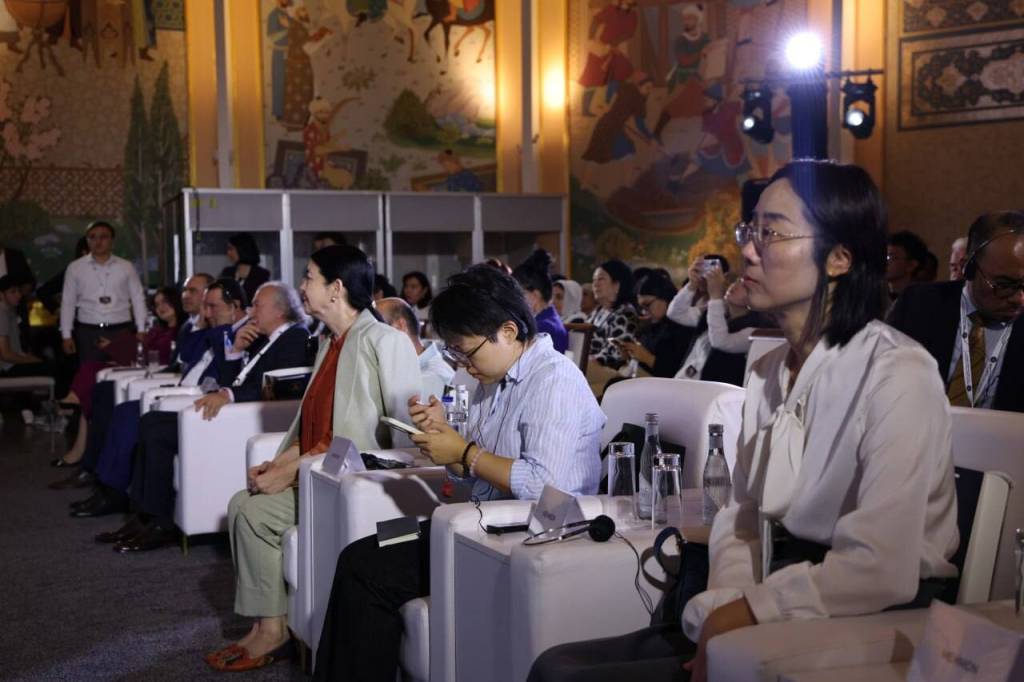
However, preserving this heritage is not its only significance. Equally important is passing it on to future generations in a way they can understand, engage with, and find meaningful. In this regard, combining museums’ research and educational activities harmoniously is essential to making historical heritage widely known.
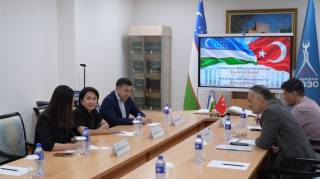
Introducing international experts from France, Iran, Georgia, China, Azerbaijan, and Malaysia to Uzbekistan’s museum operations brings the country’s rich experience into international scholarly discourse, enables comparisons of diverse global approaches, and creates new opportunities for collaboration.
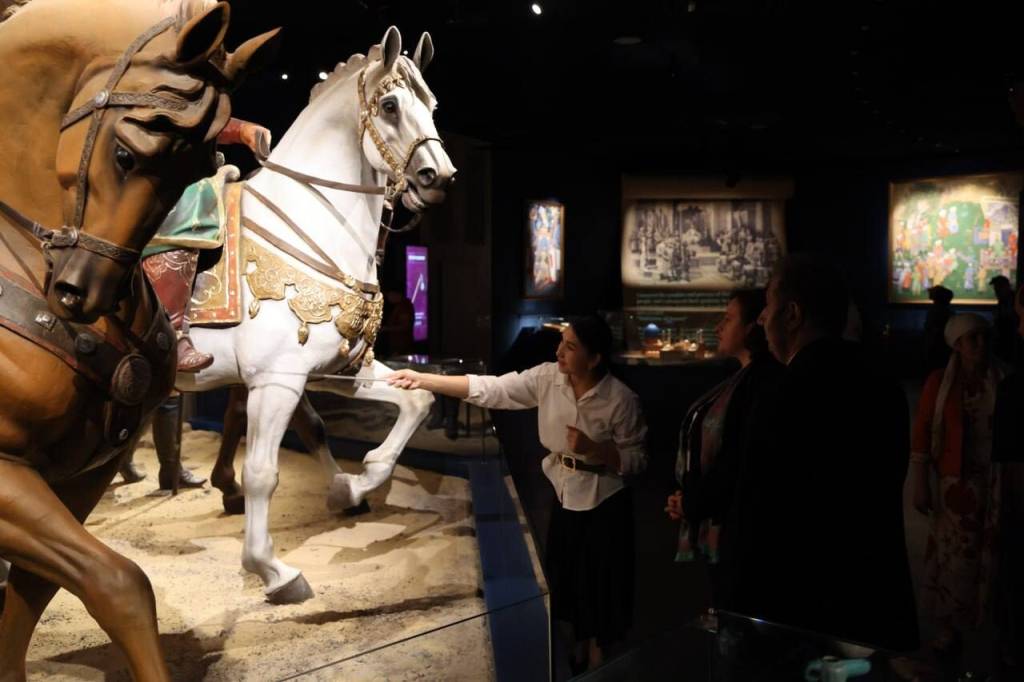
The true value of historical heritage lies not only in its age or uniqueness, but also in how it is understood, studied, and passed on to future generations. Museums serve as bridges between the past and present, science and education, and national values and universal culture. Strengthening their role in today’s education system requires collaboration among museum professionals, education representatives, scientists, and the public.
The international conference held in Tashkent provides a platform for scientific dialogue and the exchange of experience for this purpose. The ideas put forward, the approaches discussed, and the practical proposals developed at the conference can support museum development.
Dildora Dusmatova, UzA