Intil Center provides targeted training for employment abroad
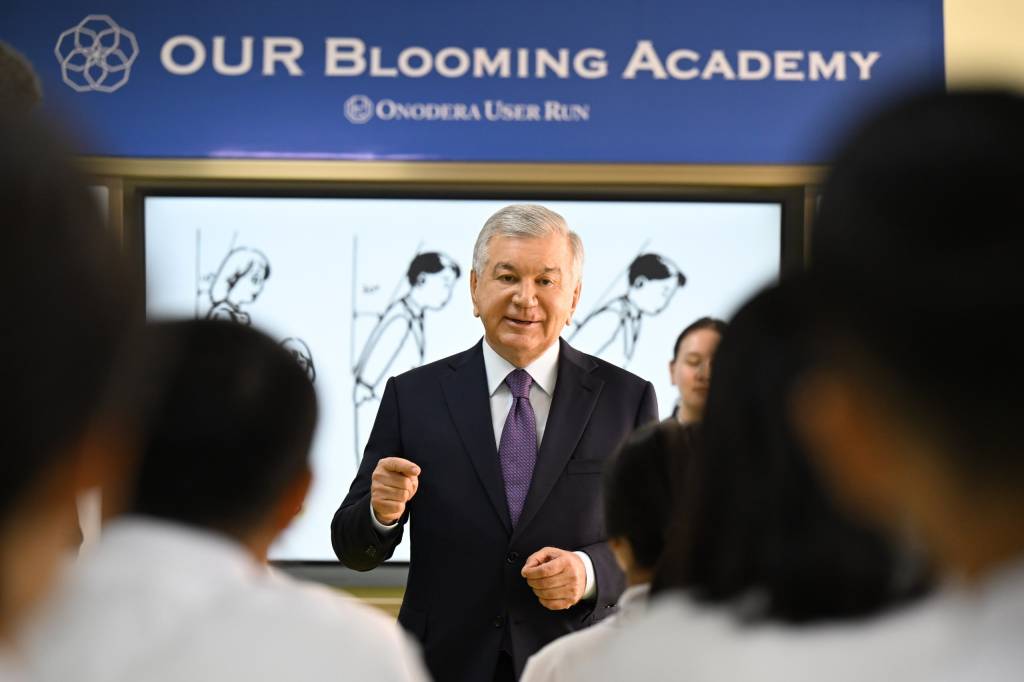
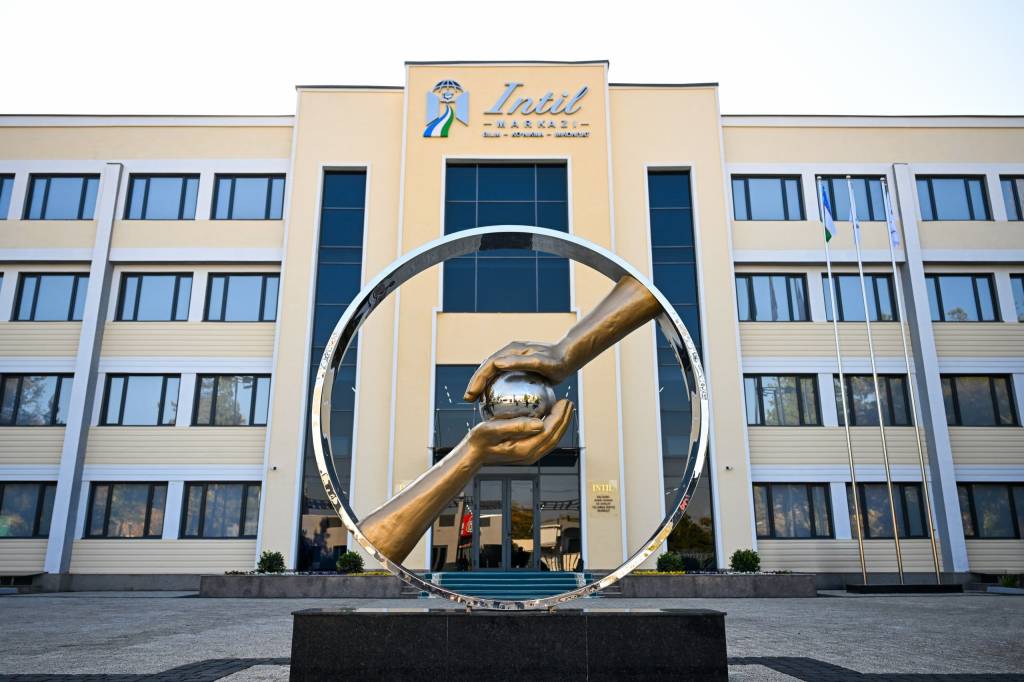
On November 2, President Shavkat Mirziyoyev visited the Intil International Language and Vocational Training Center in Uchtepa, Tashkent.
Uzbekistan is strengthening targeted training for citizens seeking employment abroad, with programs tailored to specific job opportunities. This requires an integrated approach that combines foreign-language learning, vocational training, qualification certification, and employment assistance. The center, established by the Migration Agency under the Cabinet of Ministers, brings these services together in one place.
The Head of State was presented with information on the center’s educational programs and the opportunities it offers, as well as projects implemented jointly with foreign partners.
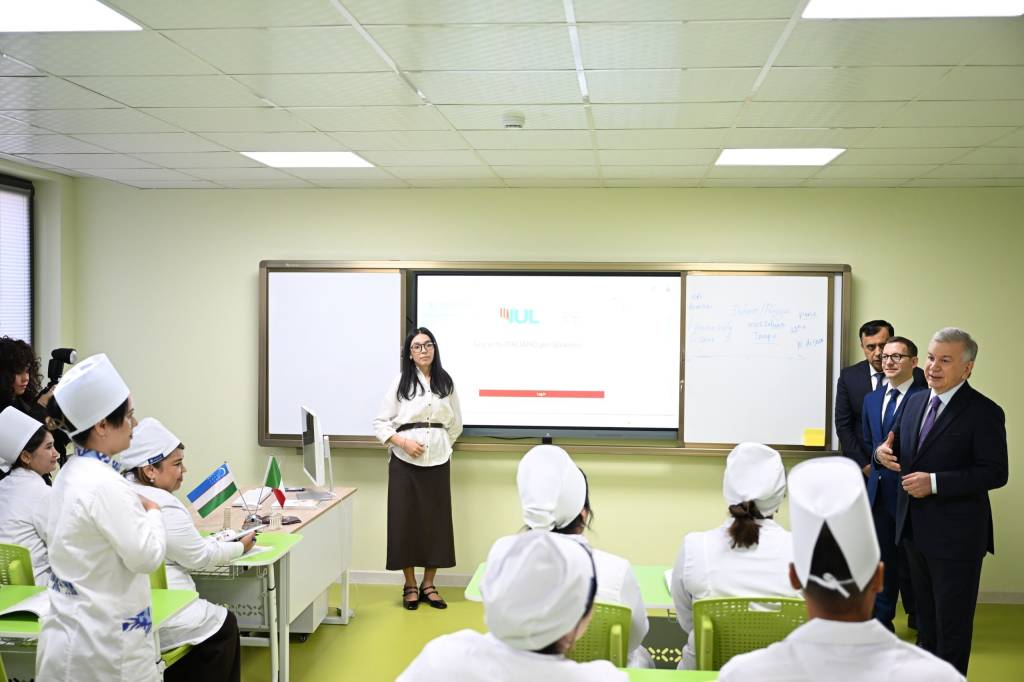
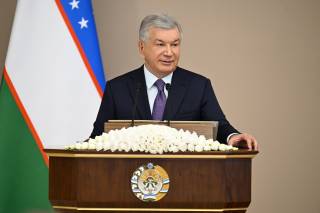
“Ten years ago, we had agreements on legal labor migration with only a handful of countries. Today, thanks to our policy of openness, our young people have the opportunity to find decent jobs in many countries around the world”, the President said. “I intend to ensure that our young people go abroad not as unskilled workers, but as qualified specialists. Our goal is to equip them with professional skills and help them adapt to a new environment and culture”.
The center, which covers nearly 3.5 hectares, provides a full range of services – from submitting applications and processing the necessary documents to language and vocational training, examinations, and departure for employment abroad. The front office provides consultations and assistance with visa applications. Bank branches, ticket offices, and a call center are also available.
The complex includes classrooms with 600 seats, practical training rooms with 180 seats, an examination center with 120 seats, and a dormitory for 400 people. Currently, 240 people are undergoing training under six international projects. Training and accommodation are provided free of charge.
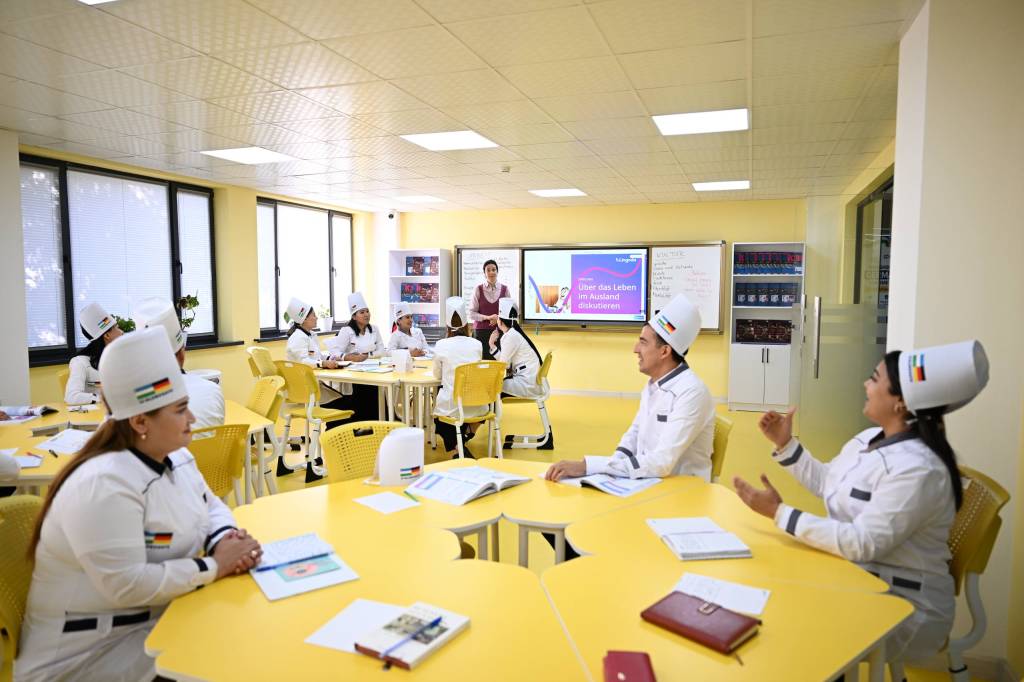
The President toured the language and vocational training classrooms and observed training sessions. The center offers courses in German, English, Japanese, Korean, Czech, Polish, Italian, and Slovak. The language programs last from six to ten months and will be regularly updated to meet the needs of foreign employers.
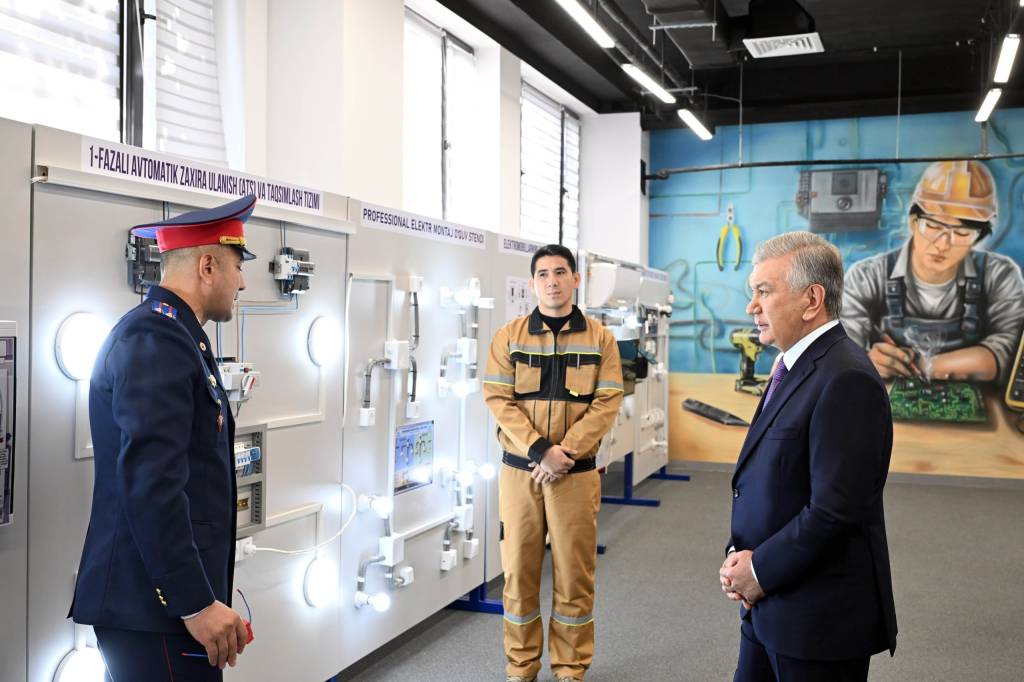
Vocational training is offered in 12 areas, including healthcare, welding, electrical installation and plumbing, warehouse logistics, construction, hotel and restaurant services, culinary arts, and other fields.
“Whichever country you are in, introduce those around you to our culture, traditions, and history. Recently, the mayor of the Japanese city of Nagoya, impressed by the culture and good manners of our young people, sent me a letter. I want people to say about you, too: ‘These are the children of a great country with a rich history’”, the President said, addressing the center’s students.
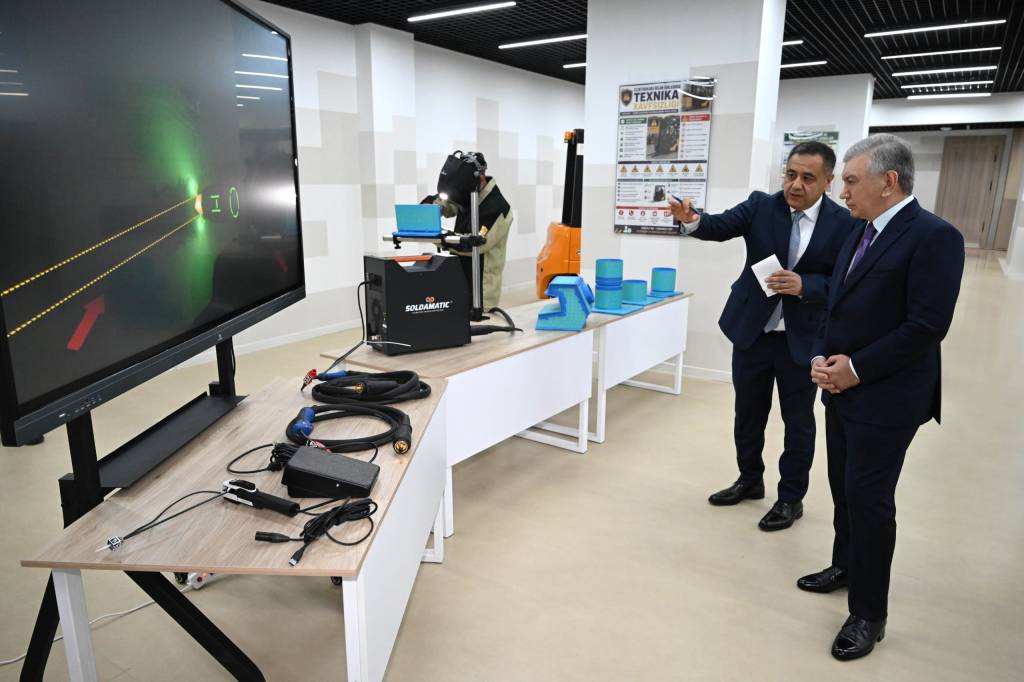
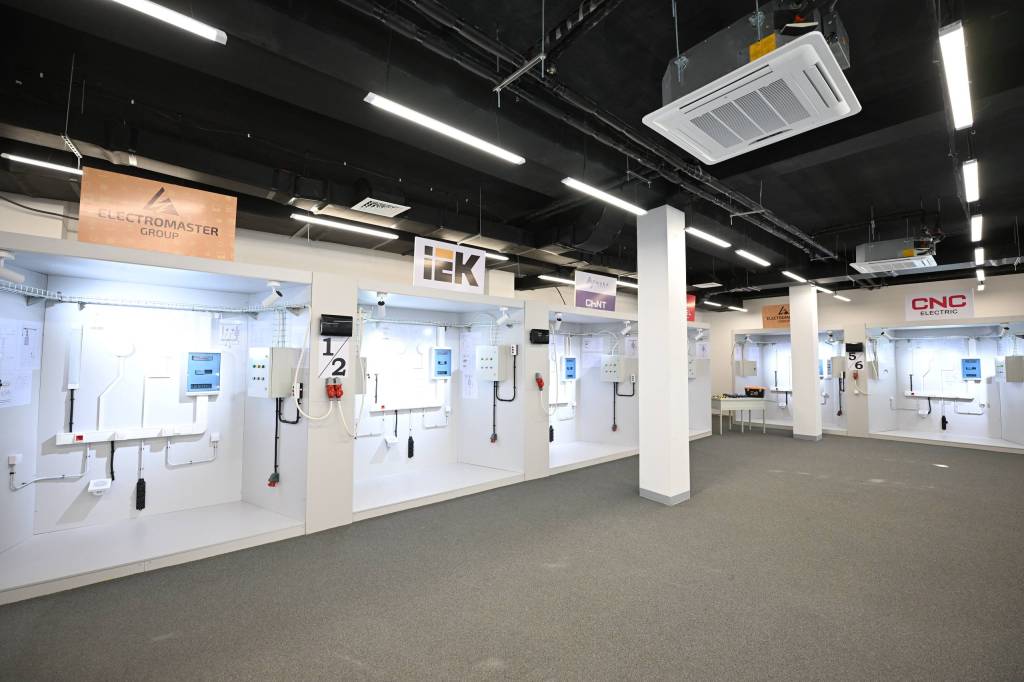
The President then visited the simulation training rooms, where students develop practical skills for the utilities and construction sectors. They train in conditions that closely replicate real working environments. In particular, students learn to work with plumbing and electrical systems, while welders are trained in accordance with the international ISO 9606 standard. The training equipment was brought from Germany, China, and Russia.
The Head of State then visited the examination rooms. The center places particular emphasis on preparing students for internationally recognized certificates confirming their foreign language proficiency. Students can take examinations such as ÖSD, TELC, J-CERT, and EPS-TOPIK at the center.
“We intend to create the same conditions for learning German and Japanese that we have already created for English. To ensure that young people are guaranteed employment after graduating from school, we must teach them both foreign languages and vocational skills while they are still at school”, the President noted.
Training is organized in cooperation with foreign partners. Joint projects with Proud Partners, Onodera User Run, Deutsche Bahn, RecruitMed GmbH, PentaHospital, and the University of Perugia are designed to train participants in line with employers’ requirements and facilitate their subsequent employment.
The center also features coworking spaces, sports grounds, and recreation areas for students. It employs 40 local staff members and teachers, as well as six foreign language instructors.
The President recommended introducing this model in other regions of the country by bringing together candidate selection based on the needs of foreign employers, language and vocational training, and employment assistance within a single system.
UzA