European experience comes in handy for creating new opportunities.
For today's bank employee, merely knowing finance is not enough. A modern banking specialist must understand digital technology, anticipate customer needs, correctly assess risks, and, most importantly, recognize that a person's fate lies behind every decision.
Sharp fluctuations in the global financial market, the accelerating pace of digitalization, and the deep integration of artificial intelligence and modern banking technologies into our lives are setting new tasks for the financial system. In such an environment, the competitiveness of the banking system depends primarily on the knowledge and potential of the specialists working within it.
In this context, the attention given in Uzbekistan to developing human capital in the banking and financial sector, and to studying modern knowledge and advanced foreign experience, is of particular importance. At the initiative of President Shavkat Mirziyoyev, large-scale efforts are underway in our country to reform the banking system, digitalize services, expand access to financial services for the public and business entities, and introduce modern management methods.
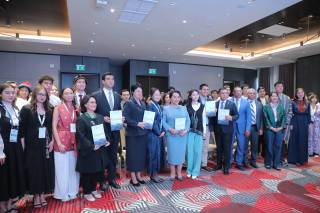
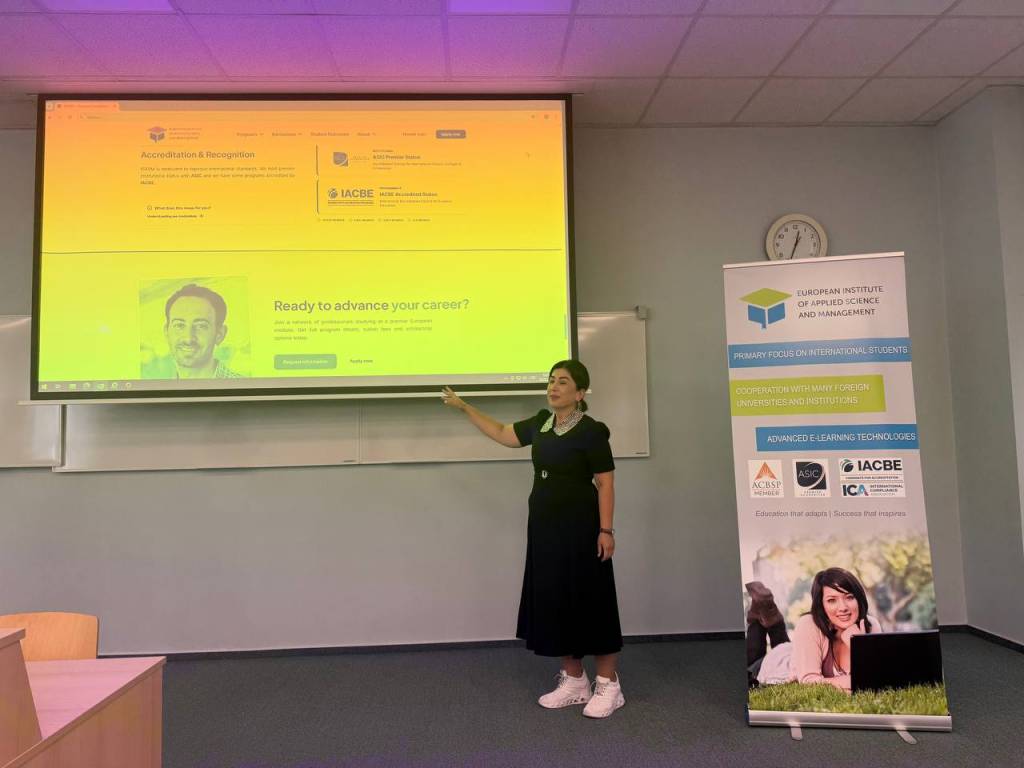
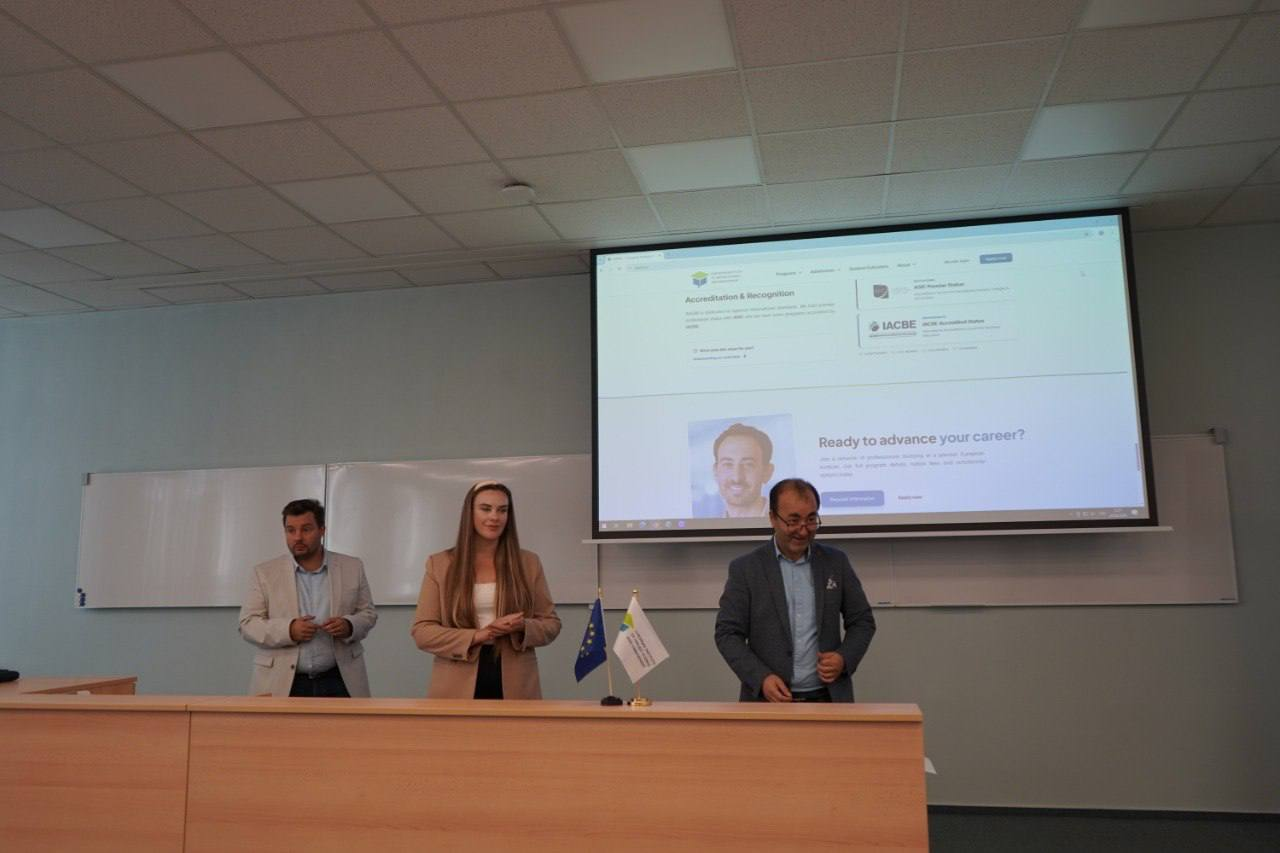
As a logical continuation of these processes, a group of Uzbek banking professionals participated in a training seminar at the European Institute of Applied Sciences and Management in the Czech Republic. This was initiated by the Joint-Stock Commercial "People's Bank" of the Republic of Uzbekistan and the Intersectoral Institute for Professional Development and Retraining of Financial and Banking Personnel.
Among them was Nargiza Latipova, Deputy Head of the Support for Women and Family Entrepreneurship at the Bukhara Regional Center of JSC "Xalq Bank."
"A bank employee of today cannot meet the needs of tomorrow's client with yesterday's knowledge," says N. Latipova. "Therefore, it is crucial to improve our qualifications, study the world's best practices, and apply them in our work. The training seminar in the Czech Republic was not just a lesson for us, but a great school of experience that allowed us to look at the banking system from a new perspective."
When comparing the Czech experience with the processes in Uzbekistan, the approaches to digital services are particularly noteworthy.
In the Czech Republic, a large portion of banking services is conducted remotely. Tools like mobile applications, online banking, and digital identification have drastically reduced the need for customers to visit a bank. In other words, the bank doesn't wait for the customer—the banking service itself comes to the customer.
In recent years, Uzbekistan has also seen tremendous changes in this area. Mobile banking services, online payments, remote services, digital products, and automated systems are becoming increasingly widespread.
The difference is that while a digital banking culture was established much earlier in the Czech Republic, this process is advancing at a very high speed in Uzbekistan. Today, digitalization in our country is becoming not just a simple technological update, but a new model for the relationship between the bank and the client.
Another key aspect of European banks is their customer-centricity. For the bank, it is not only how much money a client deposits or how large a loan they take out that matters, but also their needs, time, capabilities, and financial security.
This aspect is especially relevant for Uzbekistan as well, because one of the key activities of the People's Bank is providing financial support to the general public, women, and family businesses.
In the Czech Republic, great importance is attached to proactive risk assessment, credit history analysis, and the effective use of public-private partnership mechanisms when financing small and medium-sized businesses.
In Uzbekistan, however, support for entrepreneurship has been elevated to the level of state policy. Specifically, financial mechanisms aimed at encouraging women's entrepreneurial initiatives, developing family businesses, and increasing public income are being improved every year.
Thus, the Czech experience showcases the mechanism, while the Uzbek experience demonstrates the potential to direct it toward the interests of the broader population.
Another important issue addressed at the seminar was bank risk management.
The strong prudential supervision established by the Czech National Bank, along with mechanisms for monitoring inflationary processes, ensuring bank liquidity, and maintaining financial stability, generated great interest among the participants.
New approaches to risk management, improving loan portfolio quality, reducing non-performing loans, and ensuring financial stability are also being implemented in Uzbekistan's banking system.
Here, the most important lesson from the European experience is this: it is more effective to anticipate the likelihood of a problem than to resolve it after it arises.
This is the strength of a modern bank—it not only allocates funds but also prevents risk.
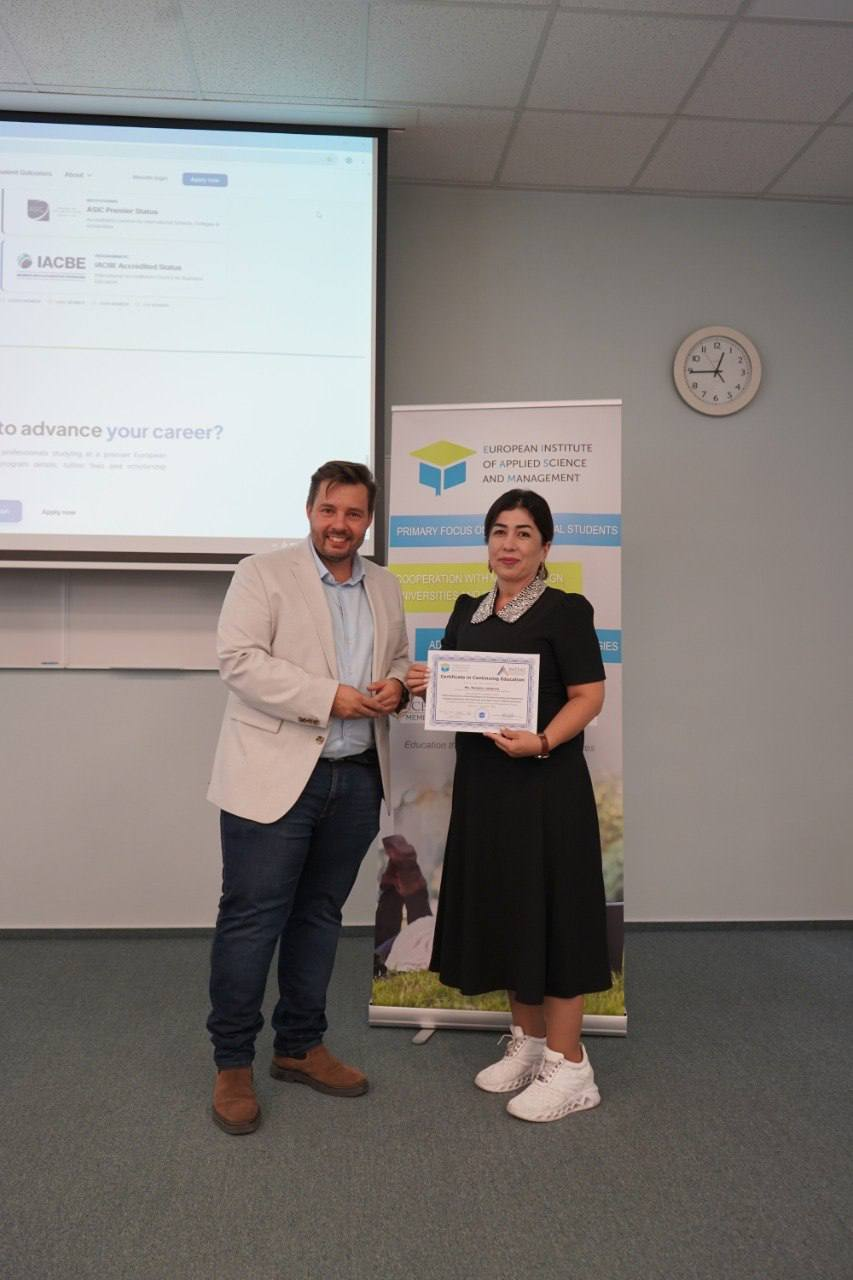
Another distinctive feature of the European educational model is the integration of knowledge with practice.
During the seminar, theoretical information was connected to real-life banking case studies, requiring participants to make independent decisions in specific situations.
This approach is also highly relevant for Uzbekistan's banking system. This is because there is a significant difference between a rule read in a book and resolving a complex real-life financial situation. Knowledge is an opportunity. Practice, however, is the result. Therefore, the greatest value of studying foreign experience lies precisely in the ability to apply it in one's own work processes.
For Nargiza Latipova, the significance of this trip is primarily linked to applying the learned experience to her professional activities.
Approaches such as the widespread use of digital services to support women and family entrepreneurship, in-depth study of customer needs, financial risk assessment, and improving service quality are of particular practical importance.
In Bukhara, the more understandable, swift, and convenient banking services are for women wishing to engage in entrepreneurship, families starting their own businesses, and citizens in need of financial support, the greater their social impact will be.
From this perspective, the knowledge gained in the Czech Republic is not just theoretical information left thousands of kilometers away. Its true value is demonstrated when it helps an entrepreneurial woman in Bukhara start her business, a family create a source of income, or a client save time.
Today, global competition among banks is measured not only by capital or technology but also by human capital.
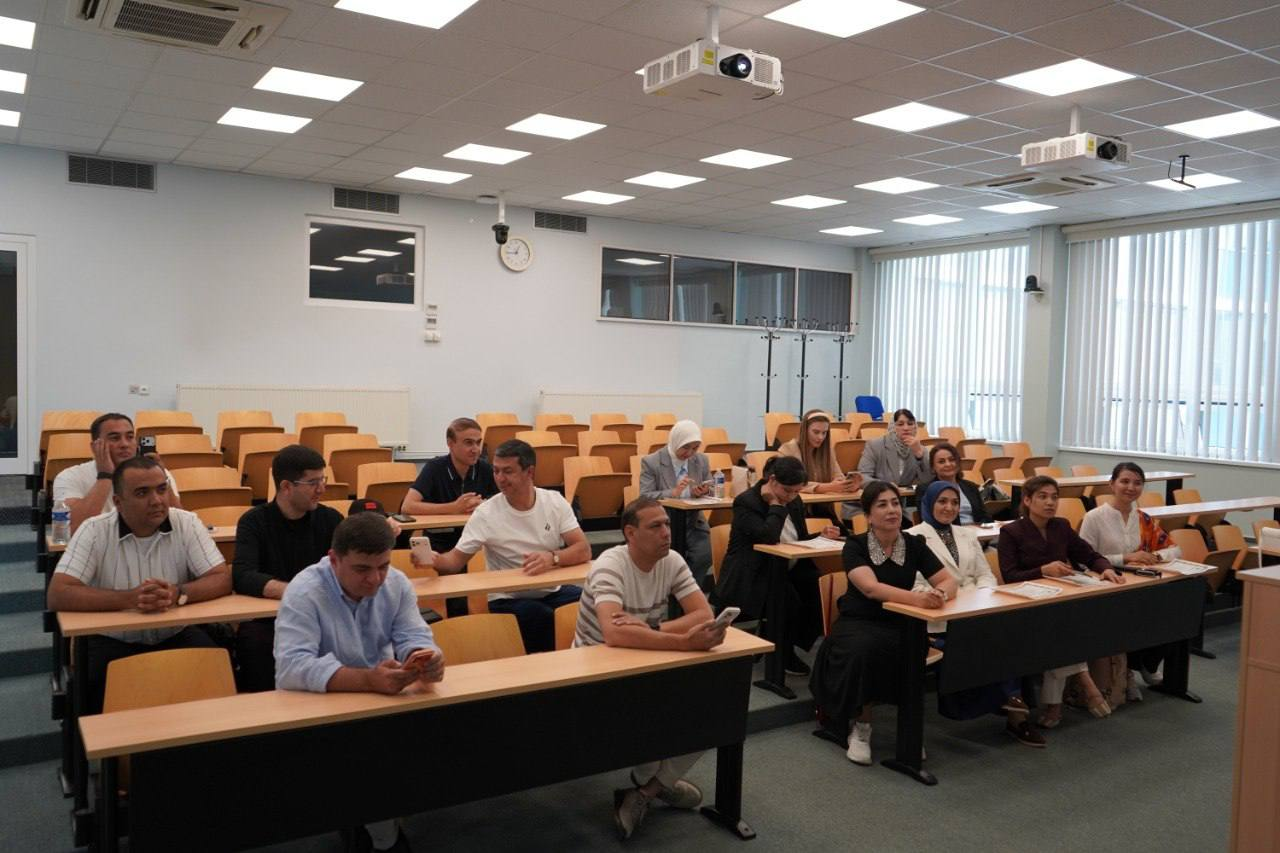
It is possible to purchase modern software and implement technology. However, it takes time and systematic effort to train a specialist who can use it effectively, communicate properly with clients, find solutions to problems, and strive for innovation. It is no coincidence that the Head of State pays special attention to developing human capital, improving the education and professional development system, and creating conditions for mastering modern professions and skills. As one of the practical expressions of this policy, the training seminar in the Czech Republic allowed bank employees to directly study European experience, compare it with the conditions in Uzbekistan, and adapt its most effective aspects to national practices. After all, the most reliable formula for progress is to study advanced experience, harmonize it with national interests, and manifest the results in people's lives.
Every new approach learned in the Czech Republic today can become a new service, a new convenience, or a new business opportunity in Bukhara tomorrow. In this sense, the greatest outcome of this trip is not a certificate or a document confirming participation in the training seminar. The greatest result is when a specialist who has mastered global experience returns to their homeland and uses their acquired knowledge for the benefit of the people. Because no matter how much modern technology a bank building contains, its true character is ultimately defined by people. And a knowledgeable, inquisitive specialist who keeps pace with the times will lead any system toward progress.
Zarif Komilov, UzA correspondent