Deposit Guarantee Agency and IMF discuss improvements to the deposit guarantee system
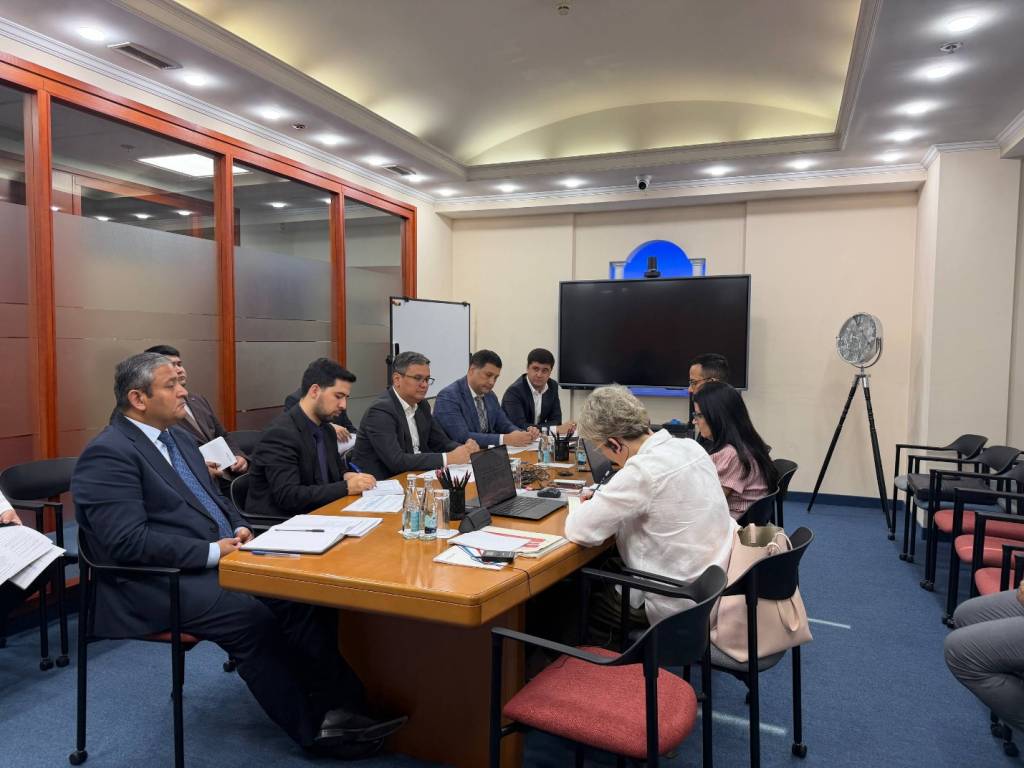
A meeting took place at the Deposit Guarantee Agency with a delegation from the IMF’s Fiscal Affairs Department to discuss advancing the deposit guarantee system, ensuring its financial sustainability, and enhancing risk management mechanisms.
The meeting was attended by Ulugbek Khamdamov, Executive Director of the Deposit Guarantee Agency, Amanda Sayegh, IMF Mission Chief and Senior Economist in the Fiscal Affairs Department, Yannick Vel, Regional Advisor on Public Financial Management and Fiscal Risks, Magdalena Tomczynska-Smith, Senior Public Financial Management (PFM) expert, and representatives of the Agency.
The IMF delegation received an update on the Agency’s activities and the main indicators of the deposit guarantee system, along with the changes made after the Law of the Republic of Uzbekistan “On guarantees for the protection of deposits in banks” was adopted.
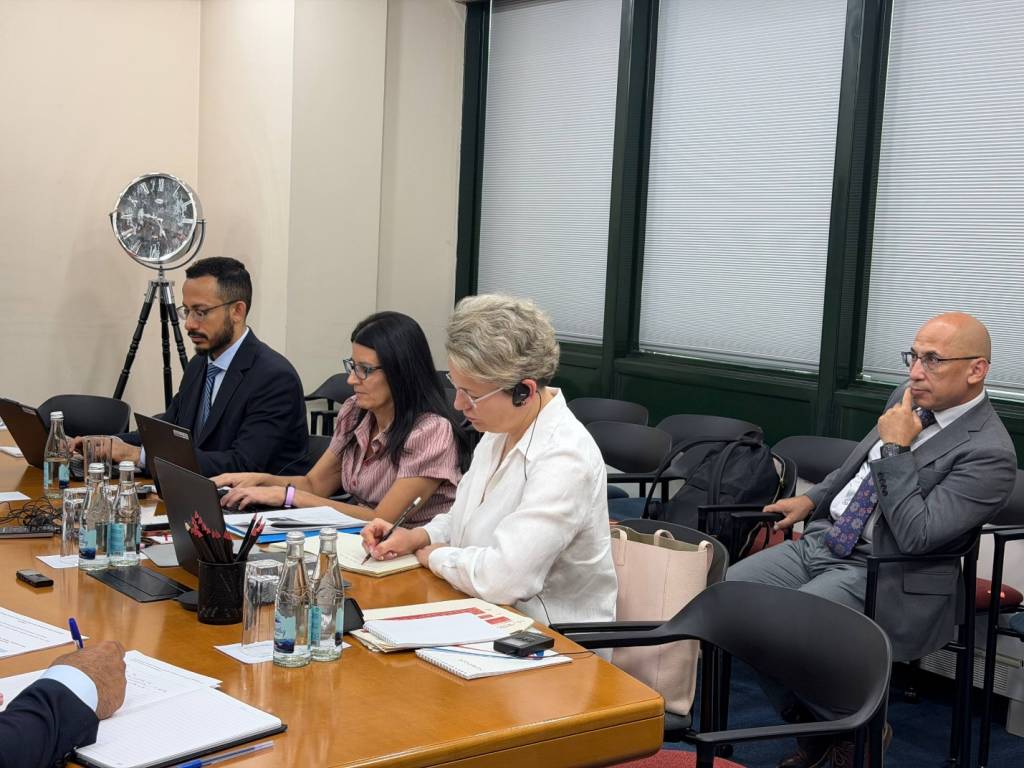
In particular, the parties reviewed the expanded coverage of the deposit guarantee system and the main differences between the previous and new models. It was noted that the new system guarantees deposits not only of individuals but also of individual entrepreneurs and legal entities, establishes a clear mechanism for compensation payments, and provides for a phased reduction in the time required to give depositors access to compensation.
Particular attention was paid to the financial sustainability of the Deposit Guarantee Fund. The parties reviewed the volume of guarantee liabilities, the extent to which the Fund’s resources cover them, the structure of its assets, sources of funding, and mechanisms for maintaining the required level of liquidity.
The participants also discussed the Fund’s investment policy and resource management. In particular, the participants considered approaches to investing funds in highly liquid, low-risk financial instruments, as well as assessing market, interest rate, liquidity, and concentration risks within the investment portfolio.
Another area of discussion concerned the system for assessing and managing risks associated with guarantee liabilities. Agency representatives outlined the use of stress testing, scenario modeling, and risk-based approaches to assessing the resilience of the banking system.
The participants also exchanged views on the transparency of the deposit guarantee system, the Agency’s financial reporting, and practices for informing the public.
The IMF delegation was also presented with the Agency’s practical experience in making compensation payments to depositors, including the organizational and financial mechanisms applied when a guarantee event occurs.
Following the meeting, the parties agreed to continue cooperation and exchange experience on the institutional development of the deposit guarantee system, strengthening its financial and operational resilience, improving risk management mechanisms, and enhancing transparency.
Aziza Alimova, UzA