A strategic investment in Uzbekistan’s future prosperity
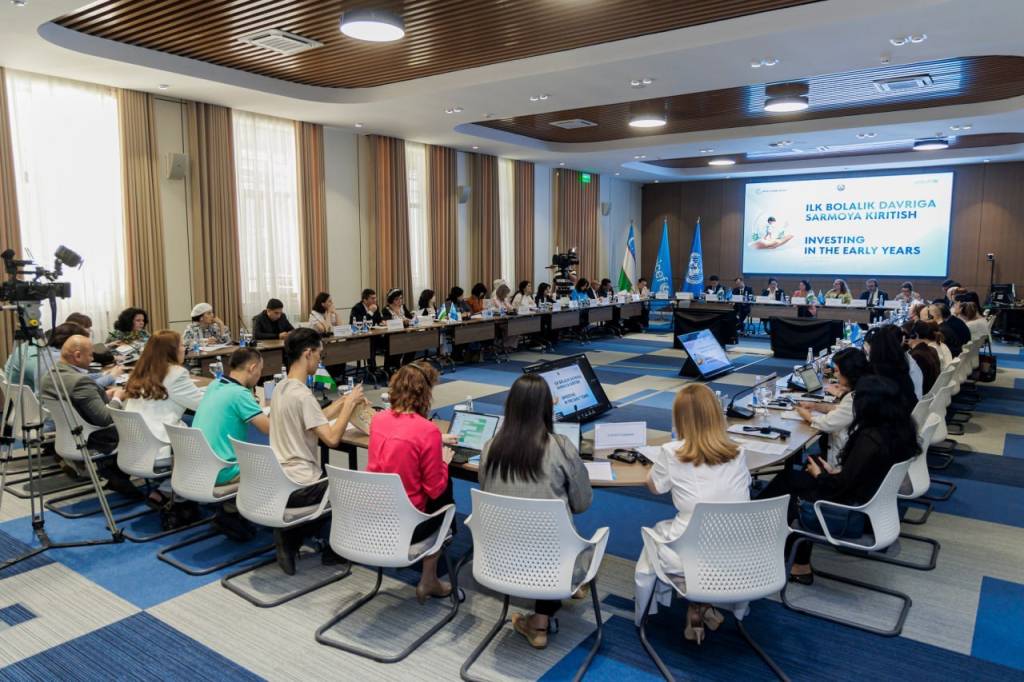
UNICEF, the World Bank, and key development partners urged increased investment and coordinated action in the early years, calling such investment strategic for unlocking Uzbekistan’s demographic dividend.
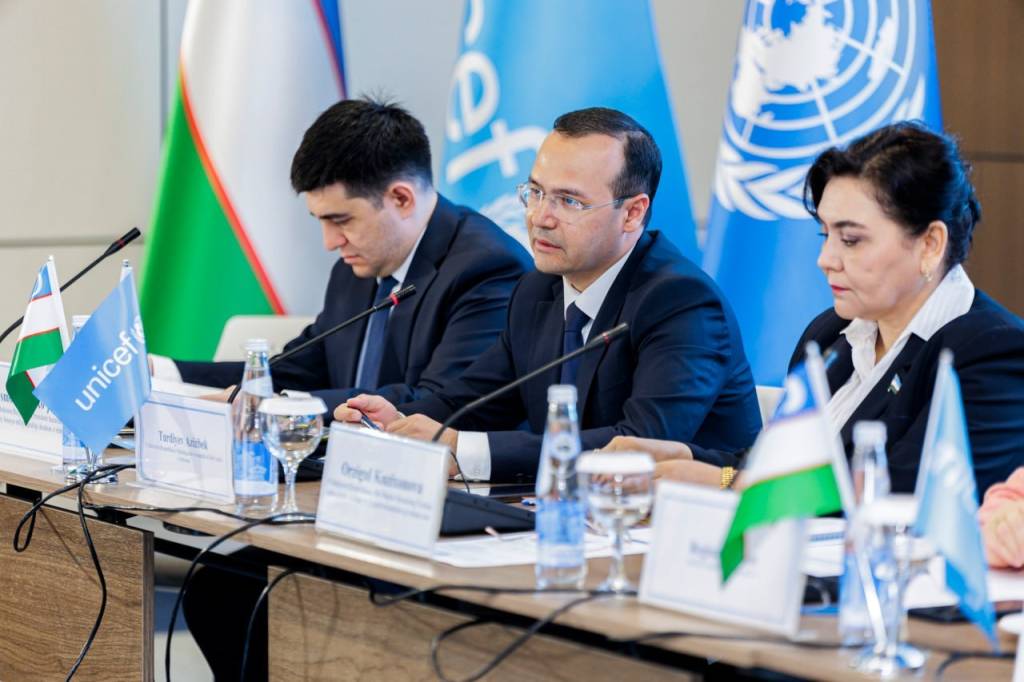
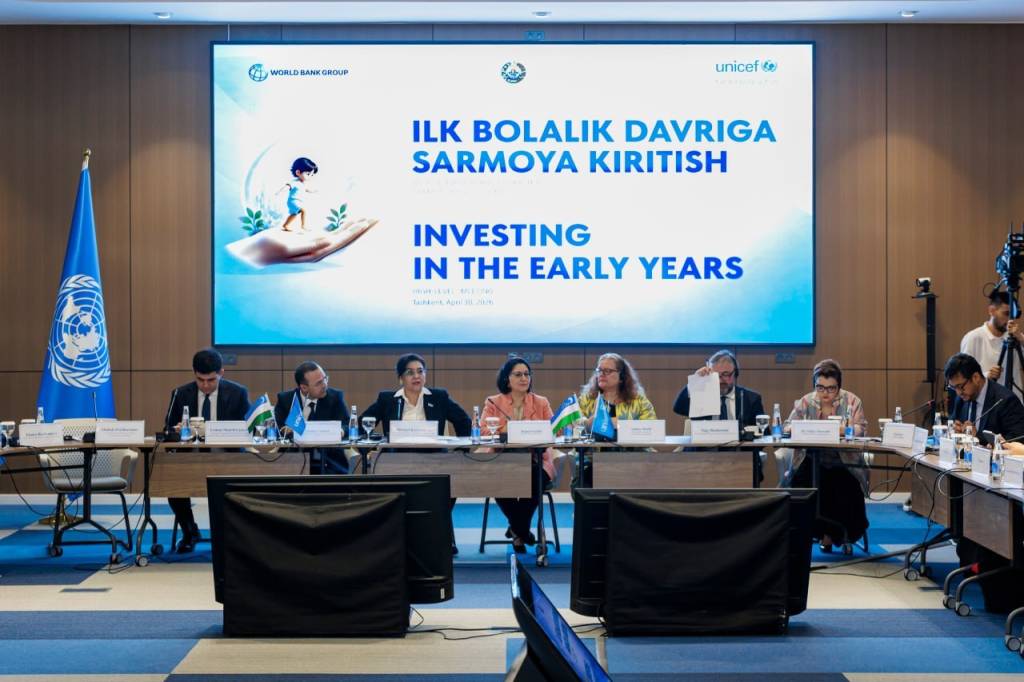
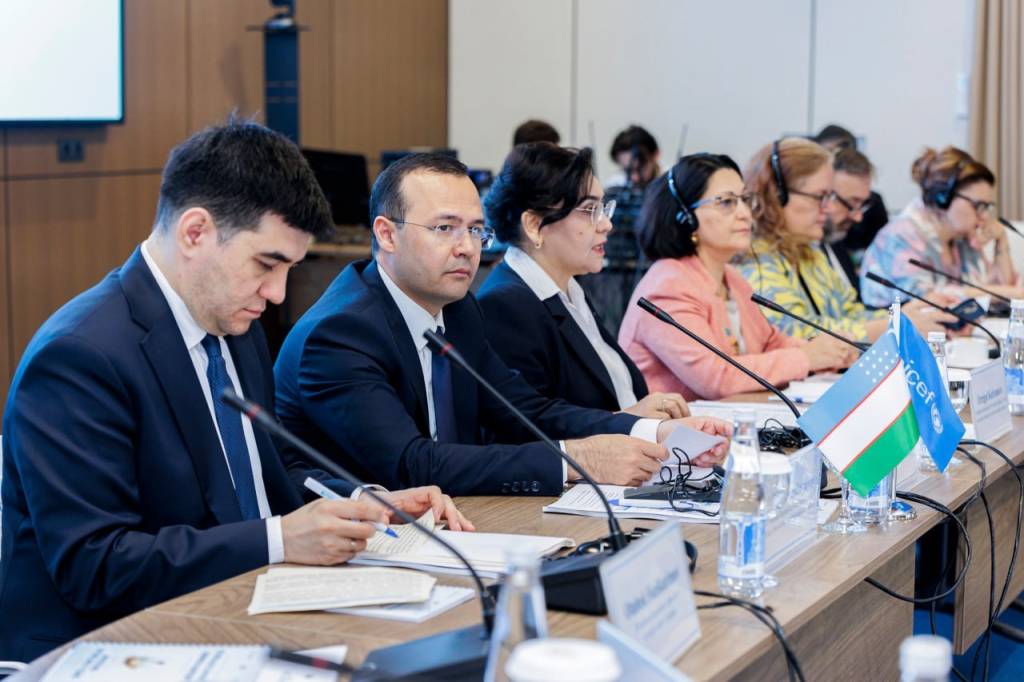
The appeal was made at a high-level dialogue in Tashkent, attended by government counterparts, the UN, international organizations, and private-sector representatives.
The dialogue drew on national data, demographic trends, estimates of economic returns, and findings from the Generation 2050 Central Asia report.
UNICEF Regional Office analysis for Central Asia, including Uzbekistan, examined how population dynamics will shape future economic and social outcomes and the role of human capital investments – particularly in health, education, nutrition, social protection, and youth employment – in driving long-term growth and productivity.
Uzbekistan is at a critical demographic juncture. The population is about 36 million and is projected to exceed 50 million by 2050, making it one of the fastest growing in the region. The country remains young – nearly 60% of the population is under 30 – presenting a time-bound opportunity to convert demographic trends into sustained economic gains.
Generation 2050 finds that children born today in Uzbekistan are expected to reach only 60% of their full productivity potential, indicating a large human capital gap. Targeted investments in early childhood – across health, nutrition, early learning, and social protection – could substantially close this gap and generate economic returns of up to an additional 6% of GDP per capita by 2050.
“The demographic dividend must be actively earned through policy choices, particularly investments that begin in the earliest years of life”, said Regina Castillo, UNICEF Representative in Uzbekistan. “Evidence shows investing in the early years yields the highest returns across the life course – 90% of brain development occurs before age five. Decisions made in the next 10-20 years will determine whether Uzbekistan’s growing population becomes a driver of prosperity or a missed opportunity”.
Global evidence shows that each dollar invested in child-sensitive social sectors can yield about two dollars in economic return; education and health account for nearly two-thirds of these gains.
Early childhood education alone can deliver returns of up to US$13 per dollar, making it among the highest-impact investments for Uzbekistan’s long-term growth and competitiveness.
The event aimed to unlock early-years investment by advancing a coordinated, cross-sectoral approach to Early Childhood Development (ECD) and aligning sector reforms under the first national ECD Strategic Framework. The Framework emphasizes addressing gaps for children aged 0-3 by expanding early childcare and stimulation services and strengthening linkages across existing services.
“Today’s children will form tomorrow’s workforce, and what they experience in their earliest years will shape what they can achieve as adults. Uzbekistan has the right foundations in place: a growing population, strong political will, and the necessary resources to invest in human capital development, also supported by international partners. Now, success will depend on a coordinated approach across the health, education, social protection, and finance sectors to deliver results for the country’s future generations. The World Bank Group, together with other international partners, stands ready to help the government implement the upcoming National Early Childhood Development Strategy and deliver on these commitments”, said Najy Benhassine, the World Bank Regional Director in Central Asia.
To translate investments into results, Uzbekistan will need strong cross-sectoral coordination – align investments across health, education, social and child protection, and other sectors so they are mutually reinforcing, with particular focus on children aged 0-3; an integrated, family-centered, harmonized package of services – move from fragmented interventions to child-centered, life-course approaches that support children and families holistically; results-based financing – link resources to outcomes to improve accountability and ensure investments deliver measurable human capital gains; strategic partnerships – strengthen collaboration among government, international financial institutions, development partners, and the private sector, prioritizing quality, equity, and impact.
N.Usmanova, UzA