Women’s leadership in healthcare: unlocking new opportunities for families and society
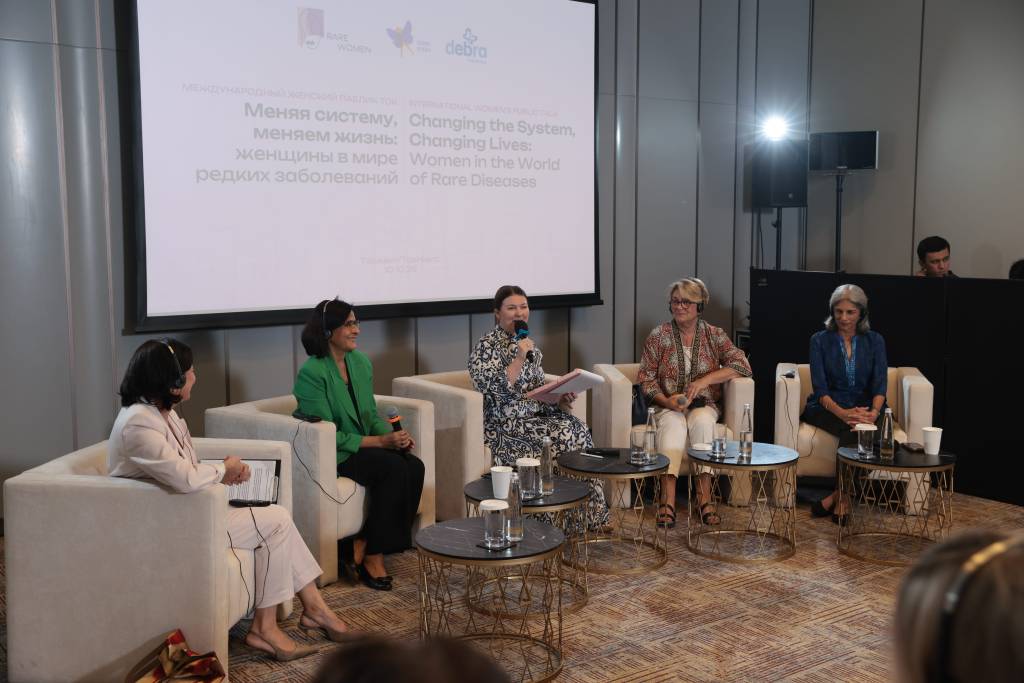
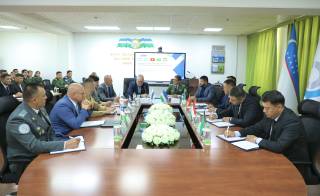
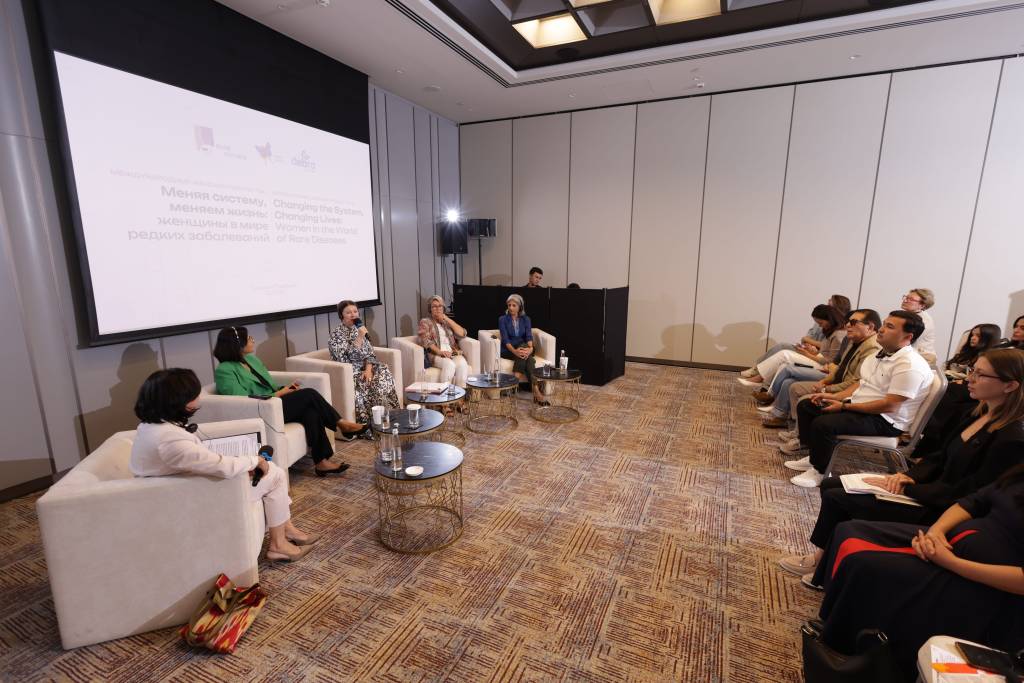
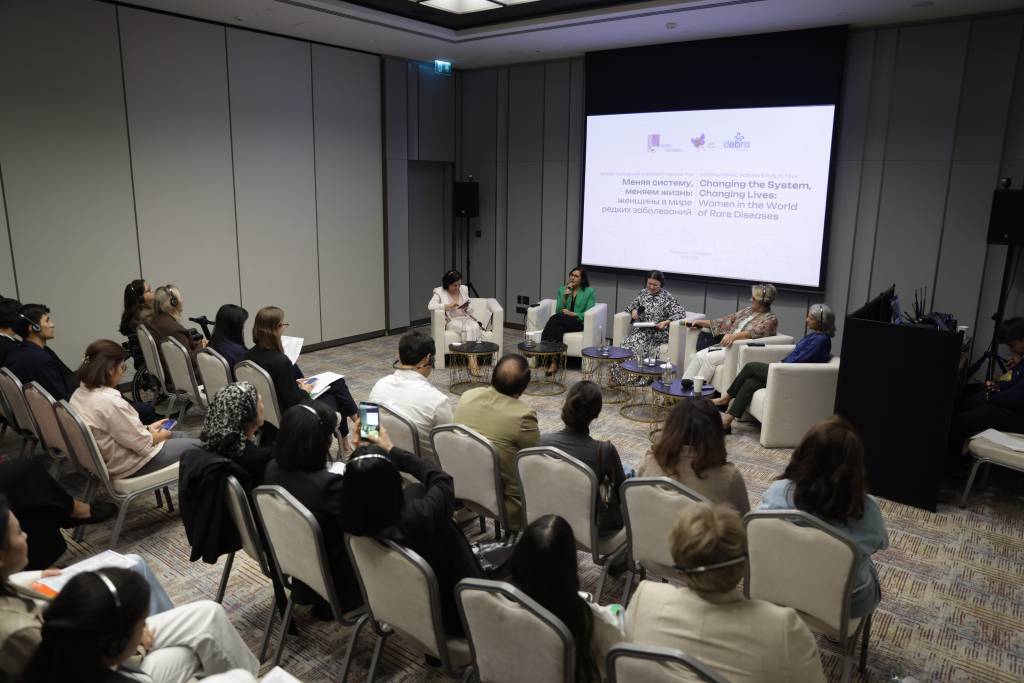
Tashkent hosted an International Women’s Public Talk focused on improving medical and social support for people with rare diseases.
The forum made it clear that comprehensive support involves much more than providing medicines. It also means restoring human dignity, supporting families psychologically, and creating conditions where a serious illness no longer condemns people to isolation from society.
At the event’s opening, Alena Yartseva (Kuratova), CEO of Rare Women and Founder of the Butterfly Children and Kapalak Bolalar foundations, highlighted how quickly rare disease care services are being modernized in Uzbekistan. Through close cooperation among government agencies, the medical community, and civil society organizations, the country has achieved in a remarkably short time what has taken decades elsewhere.
“The opening of the Genodermatoses Department was made possible by extensive joint efforts and marked an important step towards establishing comprehensive support for people with rare diseases in Uzbekistan. From the outset, this project meant more to me than simply opening a medical department. It offered an opportunity to share the expertise developed in Russia with another country and, alongside local specialists, create conditions for families to receive qualified medical care and ongoing support. Through the collaboration of the Butterfly Children Foundation, the Art, Science and Sport Foundation, and Uzbekistan’s medical community, we established the first specialized department of its kind in Central Asia. This experience laid the groundwork for further international cooperation and for developing a support system that helps families affected by rare diseases across national borders”, said Alena Yartseva (Kuratova).
Professor Ulugbek Sabirov, Director of the Institute of Dermatology, recalled how the specialized service first took shape, with hope and a deep desire to help:
“This large-scale initiative, launched in 2018 in collaboration with international specialists, led to the establishment of a specialized 12-bed department at our center and a training facility where parents learn proper childcare techniques. The Art, Science and Sport Foundation initially provided substantial support by supplying essential medical materials. The state has since assumed full responsibility for providing patients with all necessary medicines and medical supplies. We have also established a unified patient registry and continuously monitor every patient in our care”.
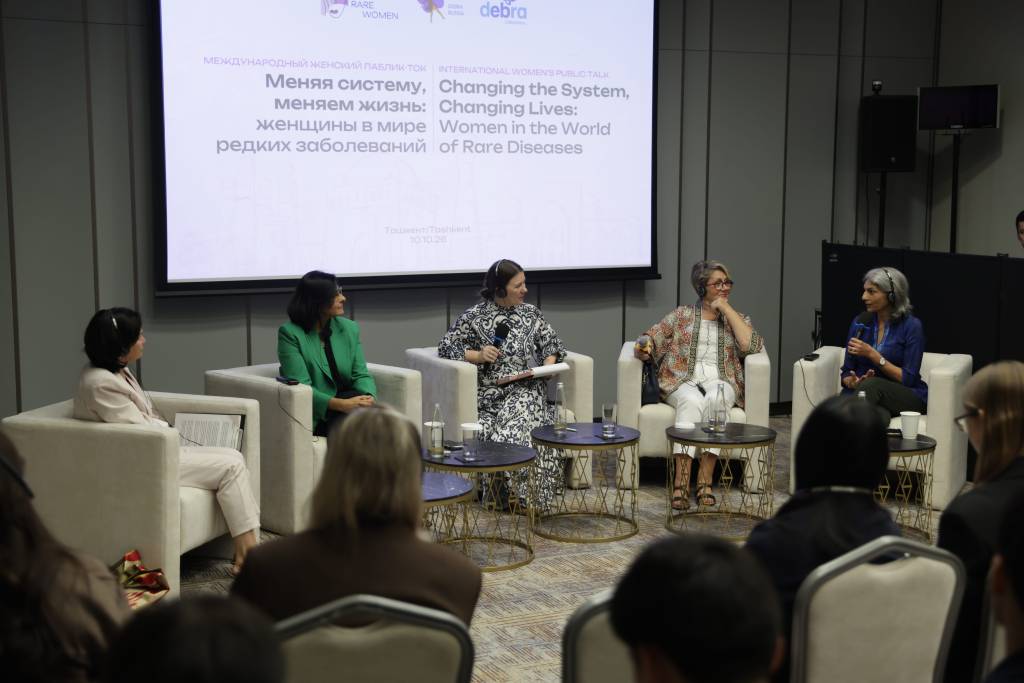
A particularly significant moment in the discussion was a moving reflection on mothers, who bear the initial and heaviest burden when their child is diagnosed. Guzal Jabbarova, Chairwoman of the Kapalak Bolalar Foundation, spoke about the immense psychological challenges families in Uzbekistan have had to overcome:
“At the outset, we faced an unseen but formidable barrier: deeply ingrained conservative attitudes and fear within society. With little information available, families tried to hide the birth of a child with a rare disease, seeing a genetic disorder as a social stigma that could threaten the future of the entire family. Mothers felt profoundly isolated and alone. The specialized department’s comprehensive work, together with the creation of parent support and information communities, has transformed the situation, restoring hope and earning families’ full trust. Today, 434 patients are in our care. Most importantly, these children are no longer hidden from the world – they are becoming active members of society. Rukhshona and Shakhnoza, who grew up in the foundation’s care, now work regularly in the Genodermatoses Department, sharing their warmth and teaching children English and art. Another beneficiary, Komola, lives with a severe illness but has graduated from university and found her calling”.
A recurring theme in the international speakers’ presentations was that healthcare systems ultimately aim to help people participate fully in society and reach their personal potential, despite physical limitations.
During the concluding discussion, “Who are we creating change for?”, participants considered the main criteria for evaluating the success of the reforms underway. Summing up, Alena Yartseva (Kuratova), CEO of Rare Women, noted that five years of experience at Uzbekistan’s specialized department had clearly shown that building a comprehensive support system for people with rare diseases positively affects the well-being of entire families.
Following the discussion, international speakers encouraged mothers facing the difficult challenges of a rare disease diagnosis, whether they encounter them every day or for the first time. The experts urged women to draw on their inner strength, move from passive sympathy to a proactive approach to life, and remember that their emotional resilience and psychological efforts lay the foundation for their children’s futures.
Alpomish Mashrabkhonov, UzA