UN-Water acknowledges Uzbekistan as one of the countries making notable advances in water conservation
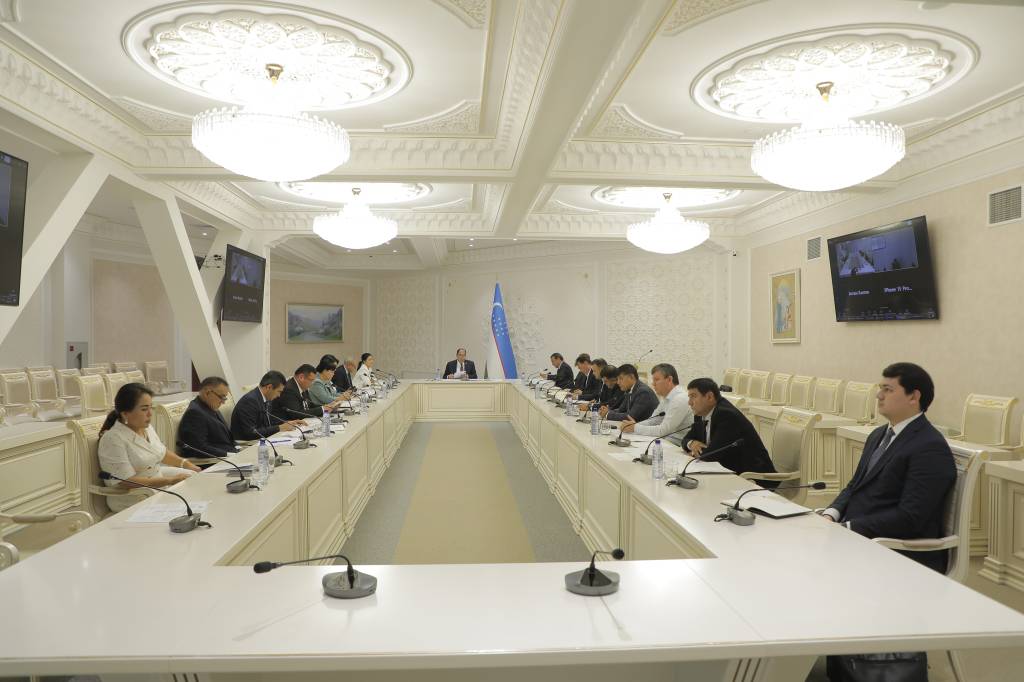
During the extended session of the Committee of the Legislative Chamber of the Oliy Majlis on Agrarian and Water Management Issues, the Ministry of Water Resources and the Inspectorate for Control over the Safety of Water Management Facilities and Water Use reported on their progress towards target indicators and the fulfillment of the Sustainable Development Goals within the sector.
In the first eight months, 9.457 billion cubic meters of water were conserved thanks to water-saving and digital technologies, irrigation, agrotechnical measures, and laser land leveling. These technologies were implemented on 640,200 hectares. By year’s end, the coverage is expected to grow to 660,200 hectares, and water savings are projected to increase to 11 billion cubic meters.
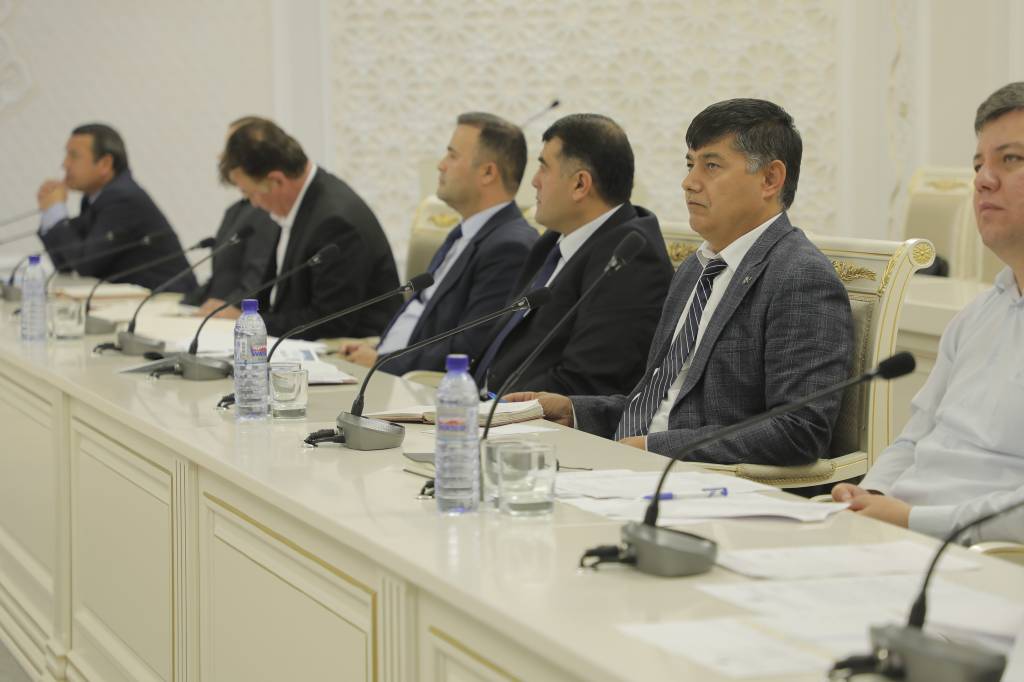
As part of digitizing water resources management, the systems Water Accounting, Water Cadastre, Water Management Facilities, Risk Analysis, and Smart Water have been implemented. The system now includes water withdrawal limits of 25.5 billion cubic meters for 99,100 water users.
The Inspectorate carried out 4,692 inspections and detected 8,932 violations. Of these, 4,317 concerned water inefficiency, 858 involved unauthorized water withdrawal, 763 resulted from breaches of water management facility rules, and 683 related to missing water meters.
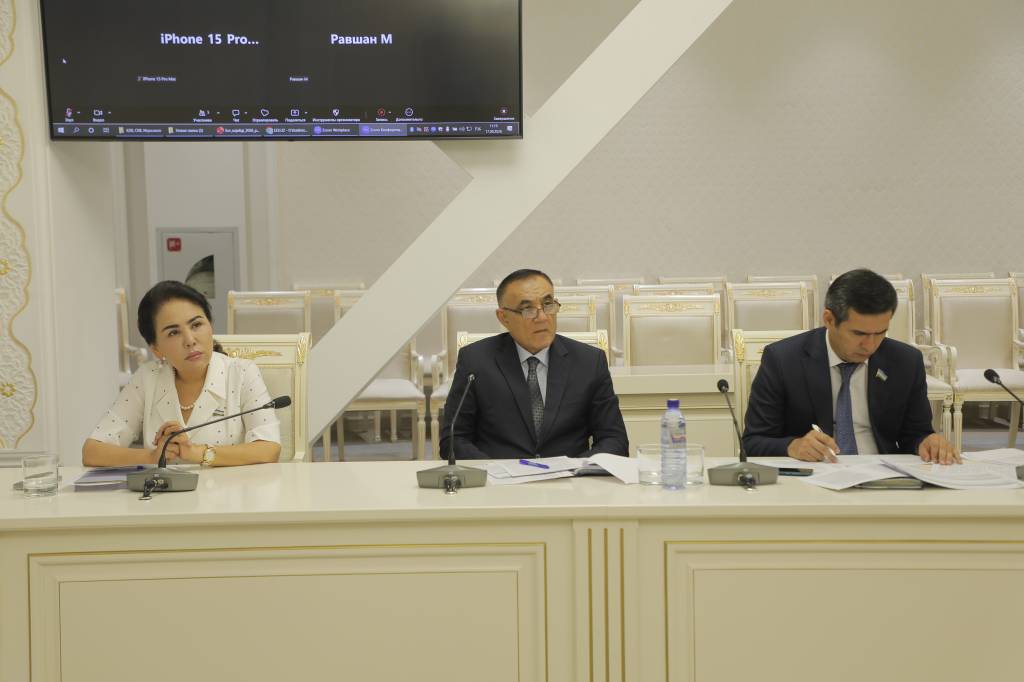
The participants paid special attention to implementing the UN Sustainable Development Goals in the water sector. It was highlighted that by 2026, UN-Water recognized Uzbekistan as one of the countries making notable progress in water conservation.
Committee members stressed the importance of developing a system to monitor progress in achieving the SDGs in the water sector, using clear regional indicators. They also highlighted the need for transparent and accurate water-saving calculations, complete digitalization of water metering, wider adoption of modern measuring devices, systematic correction of the causes of violations, and enhancement of oversight effectiveness.
Muhtarama Komilova, UzA