The raw material base for critical minerals will be expanded, and the production of high-value-added products will be established
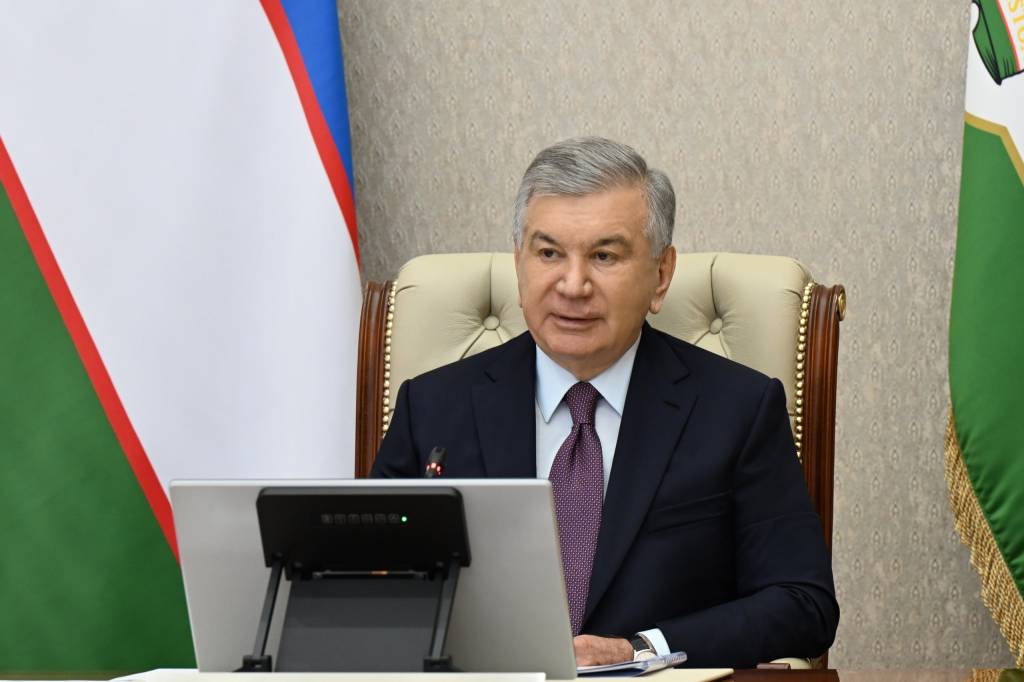
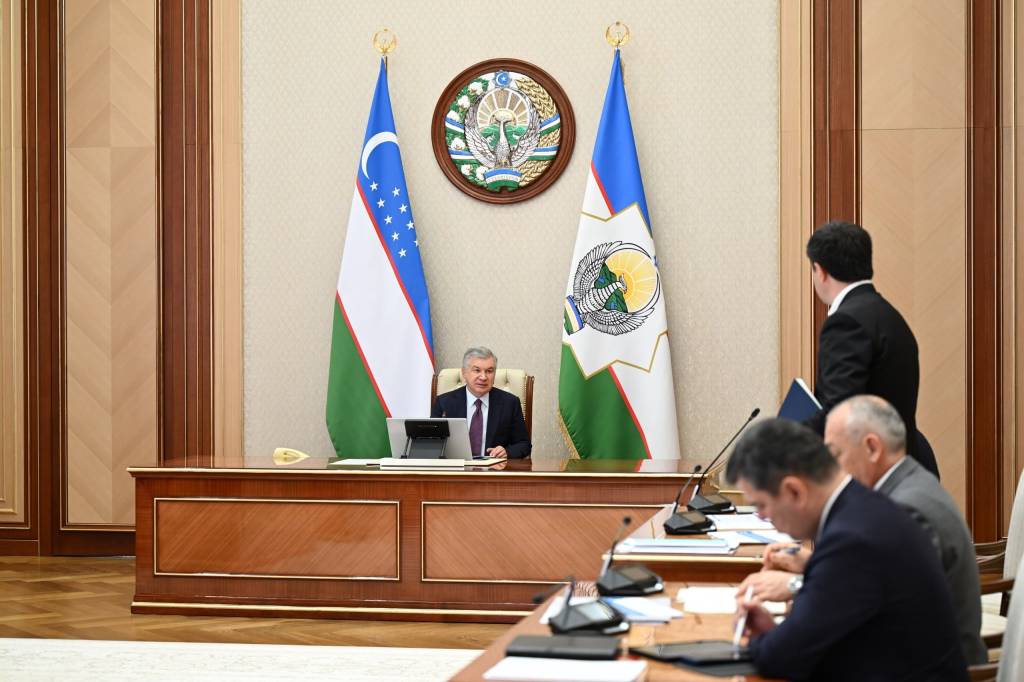
President Shavkat Mirziyoyev reviewed a presentation on developing the raw material base for minerals critical to industry and on producing high-value-added products.
The world is experiencing a notable rise in demand for technology metals and critical minerals. These raw materials and products are essential to sectors such as electrical engineering, mechanical engineering, aviation, energy, and medicine. They are becoming increasingly vital in maintaining economic security and boosting industrial competitiveness.
Uzbekistan possesses great potential in this sector. Currently, the Uzbekistan Technological Metals Complex primarily produces tungsten and molybdenum. However, it is feasible to establish industrial production for 28 key minerals by exploring new deposits and constructing processing, hydro-, and pyrometallurgical facilities.
During the presentation, plans to realize this potential from 2026 to 2030 were discussed. Specifically, 120 projects totaling $4.2 billion are scheduled for execution. It was highlighted that these efforts could raise the sector’s size to $1 billion by 2028 and $2 billion by 2030.
This year, 12 projects worth $166 million are set to launch, including new production lines for high-purity selenium, tellurium, and rhenium, along with 21 import-substituting products such as automotive components made with powder metallurgy and sulfuric acid. These new capacities will generate hundreds of jobs, boost budget revenues, and open up export opportunities.
In tungsten and molybdenum processing, particular focus was given to establishing a complete “raw materials – processing – finished products” chain. This approach enables the production not only of concentrates and semi-finished products but also of high-value final products, such as metal powders, alloys, rods, wire, industrial components, and other finished goods.
To achieve this, a large-scale Metals of the Future technopark and R&D center are planned in Chirchik. These facilities will provide the necessary conditions to commercialize scientific innovations, support startup projects, and produce high-purity metals and innovative products.
The President highlighted the importance of providing additional benefits to the technopark and its residents regarding land use and infrastructure. Additionally, he stressed the need to create a program to finance startup projects.
The establishment of Central Asia’s only research and technology center for critical minerals was also discussed. The nanoanalysis laboratory in Chirchik will offer advanced analytical services for geology, mining, and metallurgy projects. When fully operational, it can process up to 1,000 samples daily, replace $6.5 million in imported services, and generate $4 million in exports.
It was emphasized that expanding geological exploration, evaluating promising areas and deposits in accordance with international standards, processing technogenic waste, and actively attracting foreign investors and technology partners are crucial to accelerating sector projects.
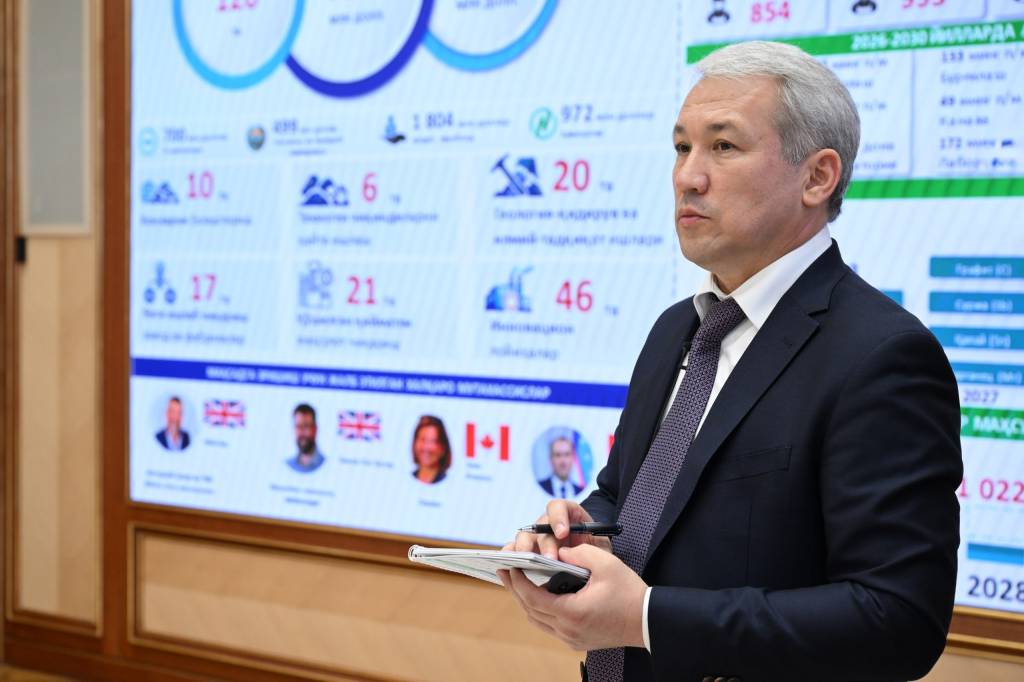
The importance of digitalization and AI technologies was also highlighted. Goals included developing a unified digital geological database, performing 3D geological modeling, establishing real-time production monitoring, and utilizing modern platforms for market analysis and project management.
Special emphasis was placed on training highly skilled personnel for the sector. In collaboration with Tashkent State Technical University, a dual education system has been implemented, and two departments focused on metallurgy and materials science have been established at the Technological Metals Plant. Currently, 64 university students are gaining practical experience at the enterprise. Officials were directed to expand dual education, modify curricula to meet the requirements of new projects, and assign graduates to positions at high-tech production facilities.
The Head of State highlighted the significance of the critical minerals sector in developing new industries, boosting exports, achieving technological independence, and generating highly skilled jobs.
Responsible officials were directed to maintain strict oversight of the project implementation scheduled for 2026-2030.
UzA