Parliamentary and inter-party dialogue serves the development of nations
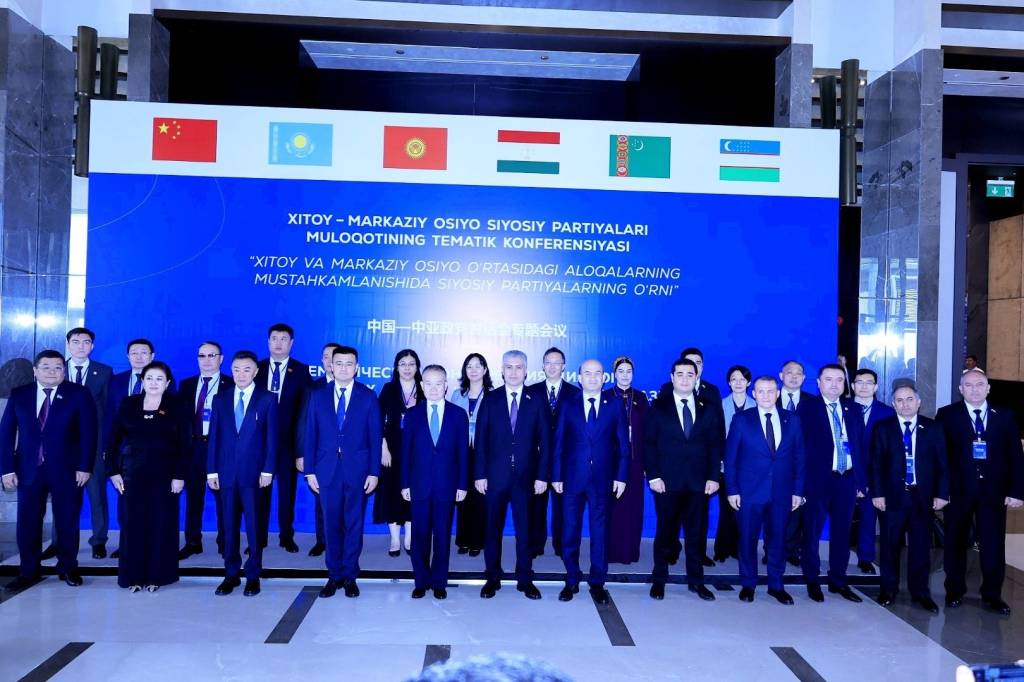
A conference on "The Role of Political Parties in Strengthening Relations between Central Asian Countries and China" took place in Samarkand.
The conference, held for the first time outside the People's Republic of China in Uzbekistan as part of the Central Asia–China Political Party Dialogue, was attended by leaders and representatives of the leading political parties of Uzbekistan, Kazakhstan, Kyrgyzstan, Tajikistan, and Turkmenistan, a delegation from the Communist Party of China, members of parliament, diplomats, and representatives of expert and analytical circles.
At the conference, Rahim Hakimov, Deputy Speaker of the Legislative Chamber of the Oliy Majlis of the Republic of Uzbekistan; Liu Haisin, Head of the International Department of the Central Committee of the Communist Party of the People's Republic of China; Aktam Hayitov, Chairman of the Central Council of the Movement of Entrepreneurs and Businesspeople—the Liberal Democratic Party of Uzbekistan; as well as representatives of the parliaments and political parties of Kazakhstan, the Kyrgyz Republic, Tajikistan, and Turkmenistan, emphasized that in recent years, the "Central Asia–China" format has become an important platform for strategic trust and multilateral cooperation. They noted that the Samarkand Conference of Political Party Leaders will serve to elevate inter-party dialogue to a new level, provide support for interstate agreements at the level of political parties and parliaments, and orient them toward concrete economic and social results.
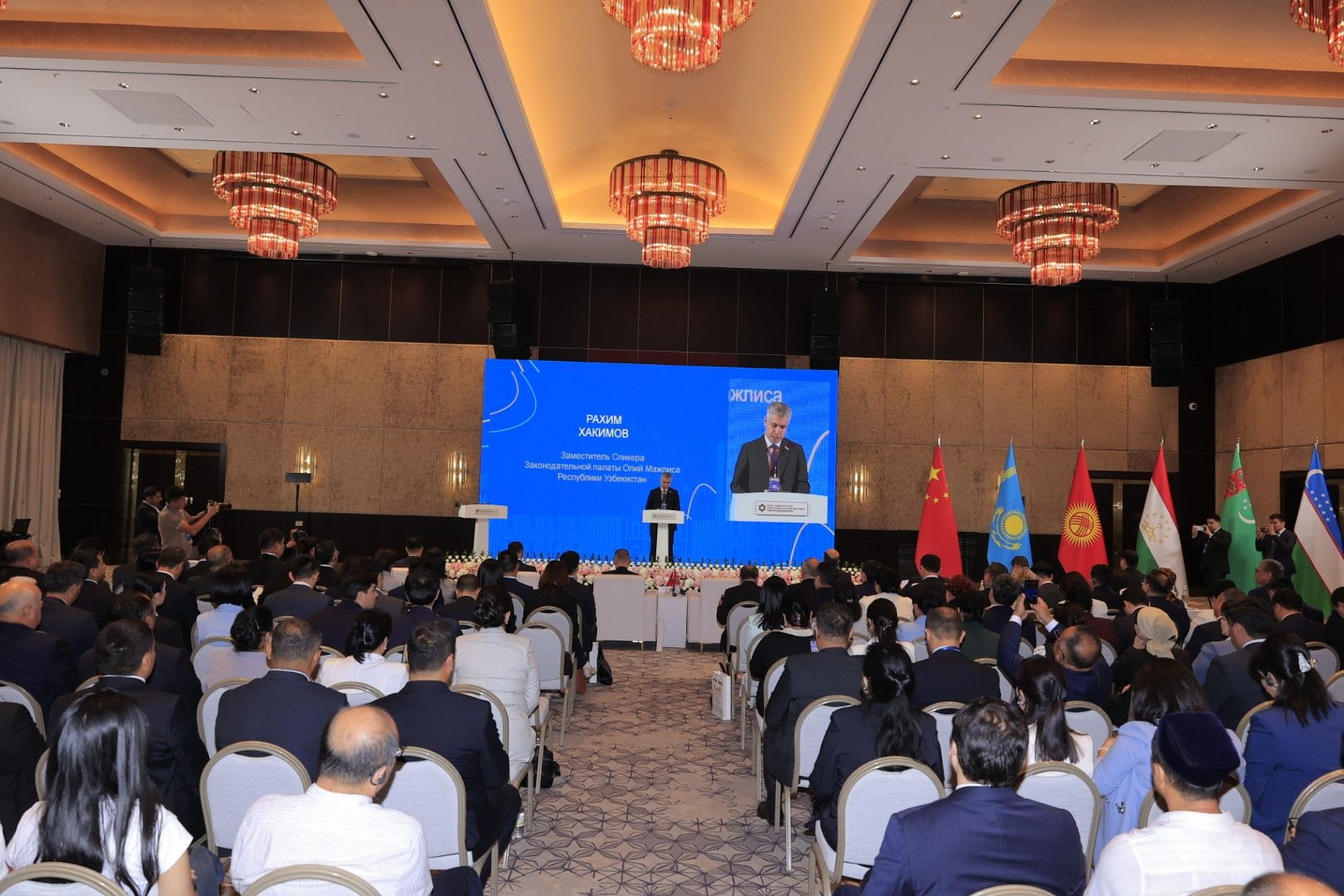
"For Uzbekistan, relations with the People's Republic of China are of strategic importance," said Rahim Hakimov, Deputy Speaker of the Legislative Chamber of the Oliy Majlis. "Thanks to the political will of President Shavkat Mirziyoyev and the efforts of PRC President Xi Jinping, relations between our two countries have risen to a high level of comprehensive strategic partnership in the new era. The effectiveness of this strategic partnership is primarily defined by creating new jobs, expanding business opportunities, developing regions, and creating prospects for the younger generation. This once again demonstrates that the key goal of the reforms being implemented in our country is to translate high-level political agreements into tangible economic and social results in the lives of the population."
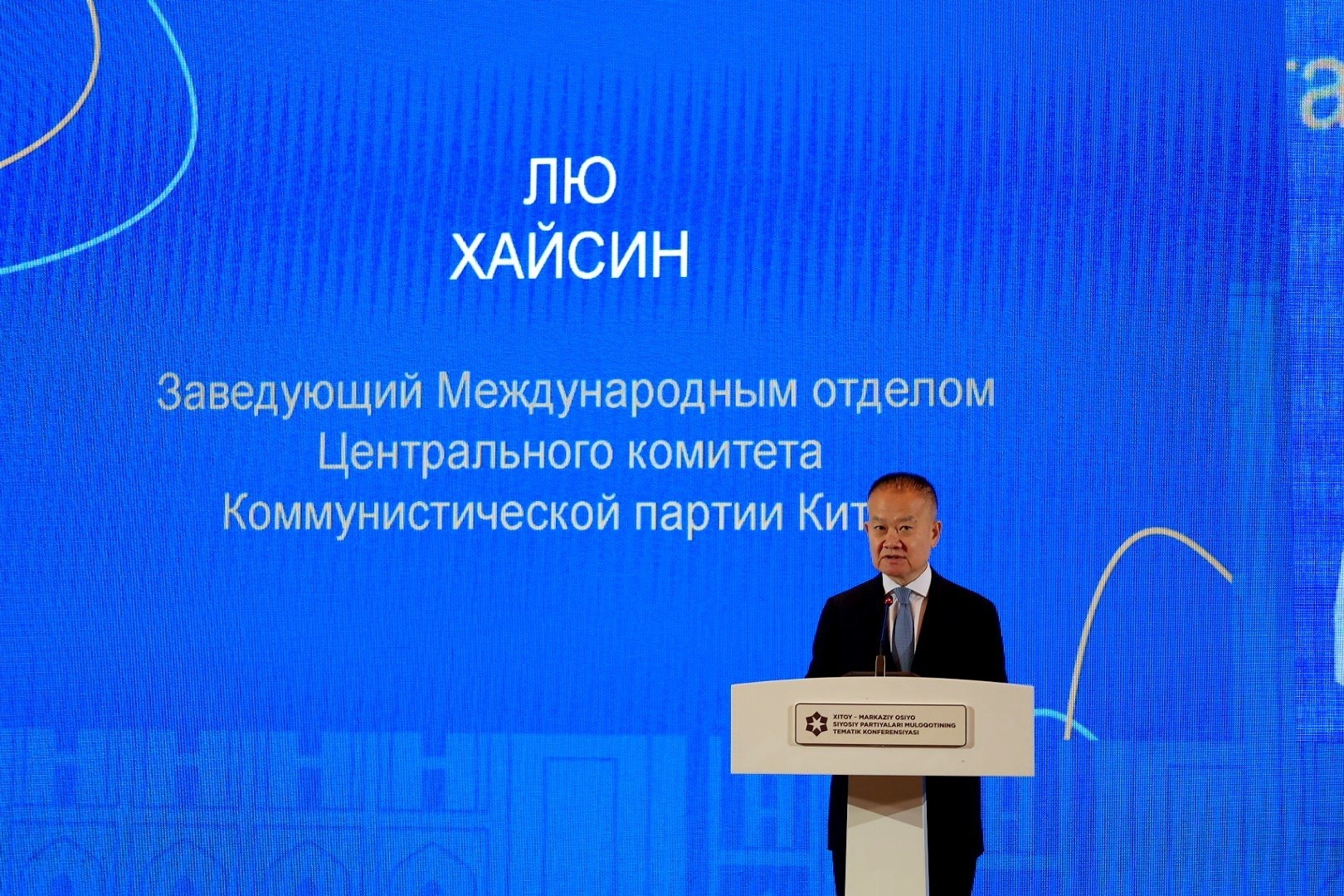
"I express my gratitude to the Uzbek side for organizing today's prestigious international conference with such great preparation," said Liu Haisin, Head of the International Department of the Central Committee of the Communist Party of China. "Cooperation between China and Central Asia is developing dynamically, and Uzbekistan certainly has very important initiatives and a worthy contribution to this. From this perspective, it is no coincidence that the Central Asia–China inter-party dialogue is being held for the first time outside of China, specifically in Uzbekistan, in the beautiful city of Samarkand."
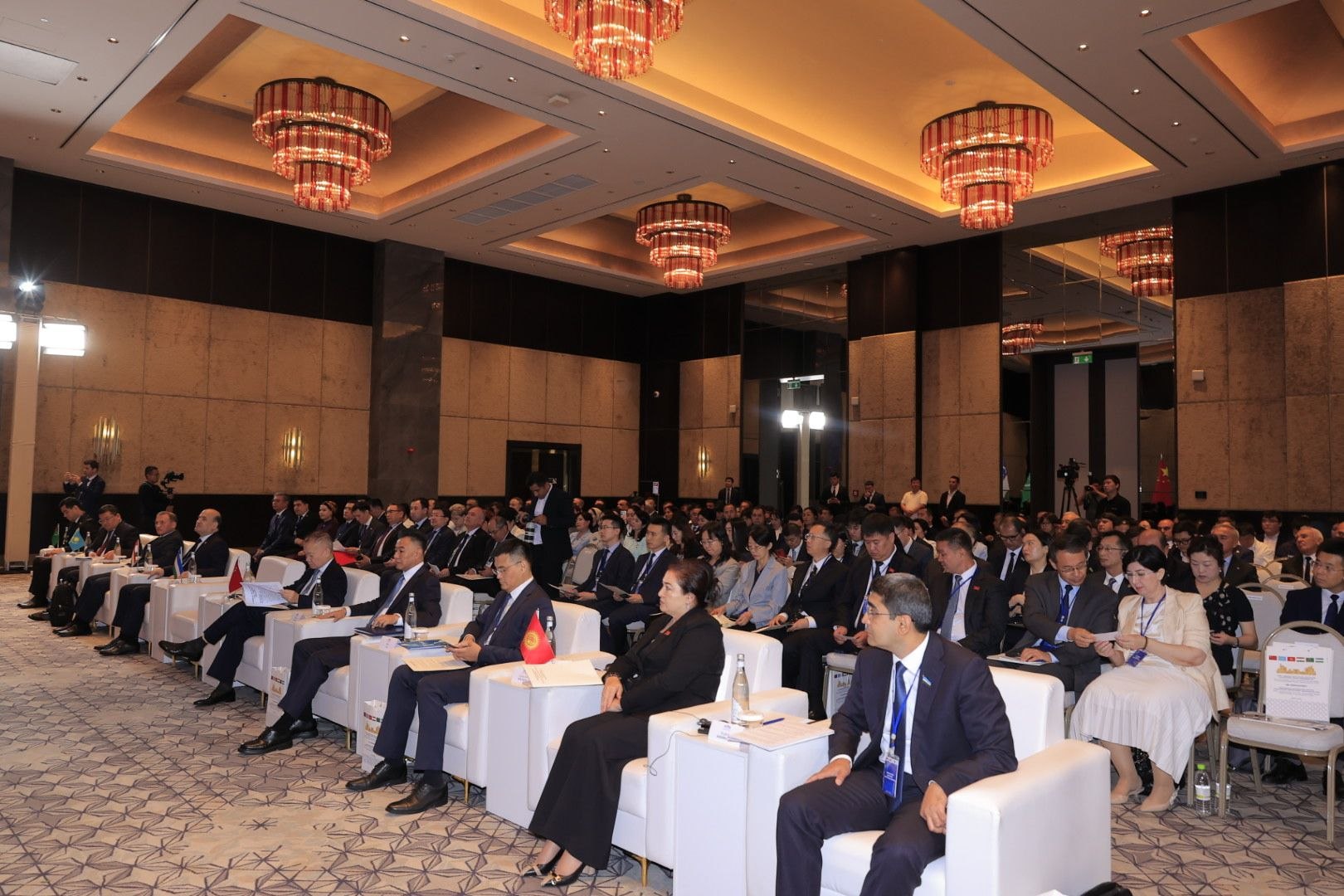
At the conference, it was highlighted that in an era of increasing geopolitical confrontations and economic instability in the world, strengthening interconnectivity in the region is becoming a crucial factor for stability. The harmonious development of cooperation between China and Central Asia in the political, economic, transport, technological, and humanitarian spheres will serve to form a space of new opportunities in the region.
According to the participants, in modern conditions, inter-party diplomacy is an important tool for strengthening mutual trust between countries, expanding dialogue between societies, and studying best practices. By representing the interests of various social strata, political parties play an important role in explaining and supporting the social significance of reforms.
It was noted that inter-parliamentary cooperation serves to ensure a stable legal basis for the interstate agreements that have been reached. In this regard, the importance of regular exchange of legislative experience in the areas of lawmaking, state and local governance, development of small and medium-sized businesses, poverty reduction, digitalization, anti-corruption, and support for youth and women was emphasized.
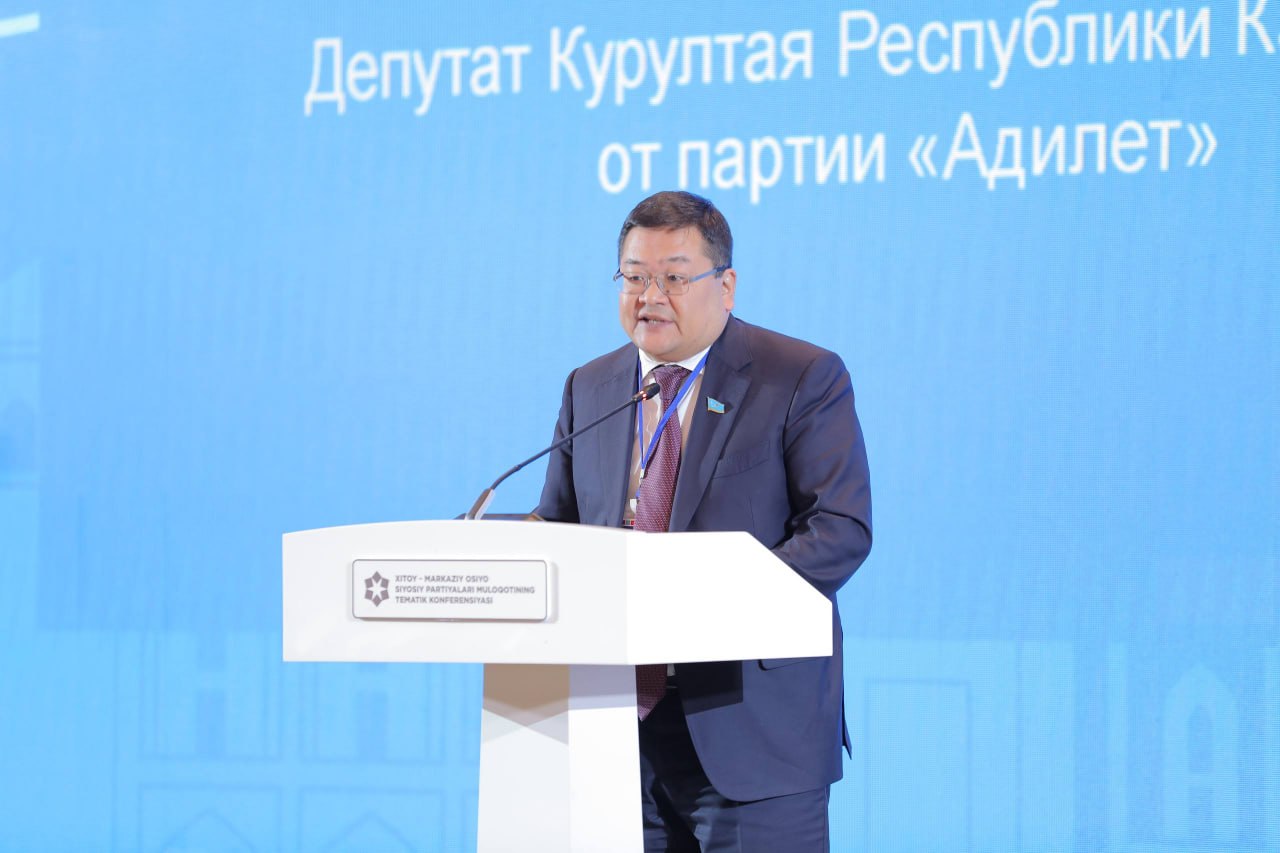
"The Central Asian region has a common interest in developing its economic, investment, trade, and transport-logistics sectors, and today, relations between our countries in this direction are developing at a new stage," says Aydos Sarim, a deputy of the Kurultai of the Republic of Kazakhstan. "In this regard, China is the region's closest partner. Inter-party and inter-parliamentary dialogue is of great importance for the effective implementation of agreements reached by heads of state, as well as for considering and coordinating various areas of cooperation during the adoption of laws."
As noted at the conference, such meetings should not only serve as a platform for exchanging views but also become an instrument for providing legislative support for specific economic and social projects within the "Central Asia–China" format. In particular, parliaments must play an important role in creating a favorable legal environment for investment, developing trade and e-commerce, and improving standards and certification systems.
In this regard, special attention was paid to the ongoing strengthening of the "Central Asia–China" mechanism. The deep transformation processes in Central Asia, which has become a space of good neighborliness and partnership, as well as China's firm commitment to developing friendly relations with neighboring countries and advancing the "Belt and Road" global concept, are enabling the development of cooperation in this format.
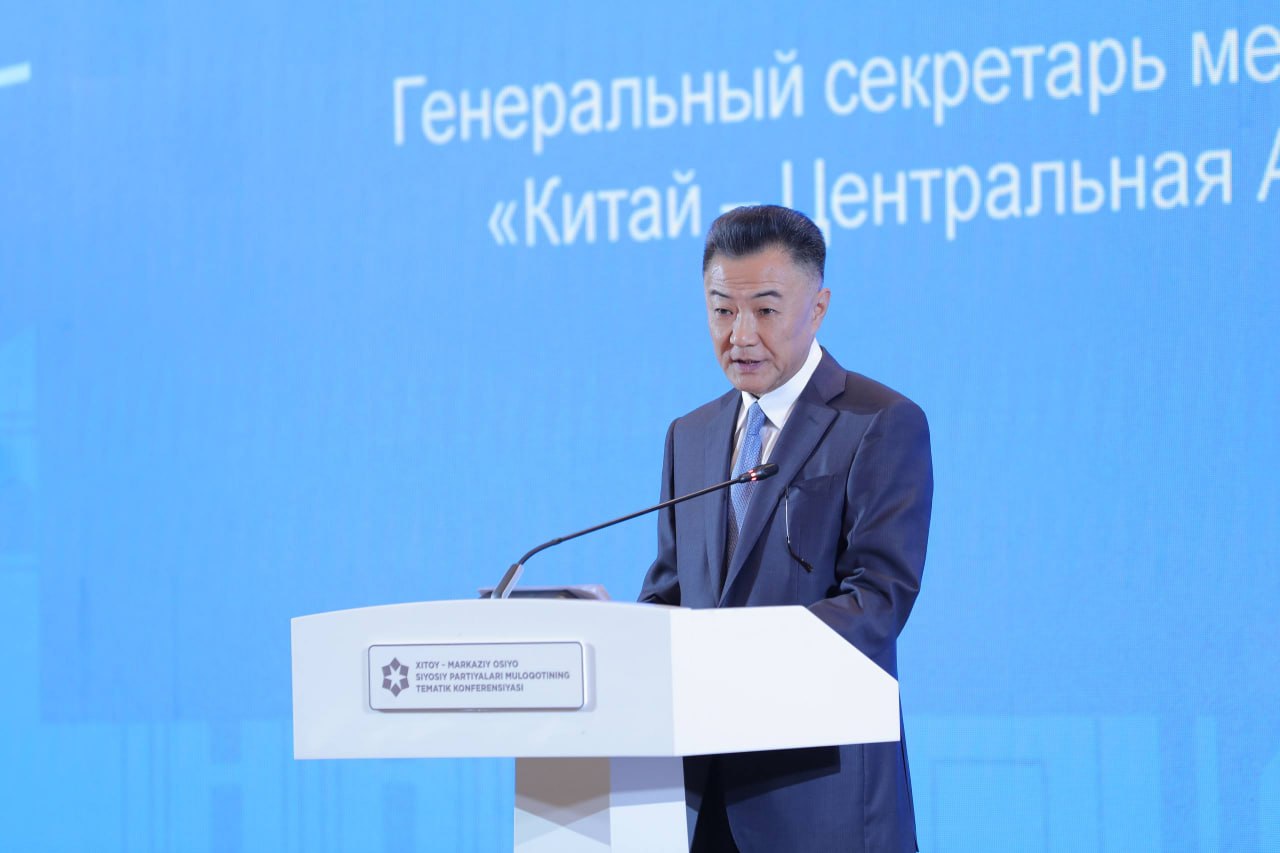
"The construction of the Uzbekistan–Kyrgyzstan–China railway is a truly historic event in the trade, economic, transport, and logistics cooperation between Central Asia and China," says Sun Weidong, Secretary General of the "China–Central Asia" mechanism. "This will serve the common interests of all countries in the region and elevate the development of strategic sectors to a historic stage. Furthermore, we are also interested in the joint development of green energy in the region, and it is gratifying that ties in this area are expanding year by year. The development of parliamentary, public, and people's diplomacy is one of the most important tools serving the progress of our countries. I am confident that this conference will serve as an important platform for strengthening inter-party dialogue and friendly relations."
The event highlighted the importance of continuing a regular dialogue between the political parties of China and Central Asian countries, expanding direct ties between parliaments and their committees, exchanging experience in lawmaking, and promoting practical initiatives. Participants put forward common approaches to elevating the dialogue between political parties and parliaments to a new level, strengthening the social significance of existing agreements, and supporting practical initiatives that serve the peace, stability, and prosperity of the region.
Golib Khasanov,
UzA Correspondent