Measures to transform the air defense and military aviation system reviewed
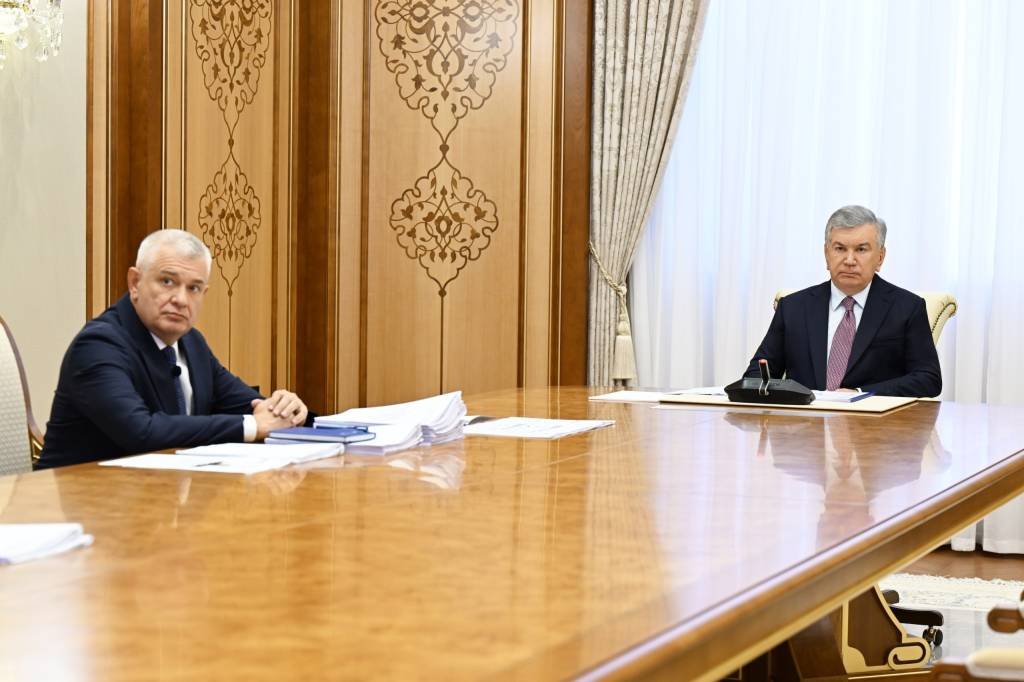
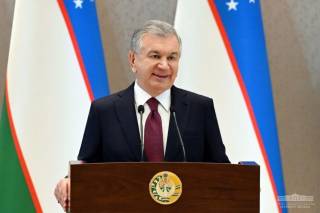
President Shavkat Mirziyoyev reviewed a presentation on defense issues.
In recent years, under the leadership of the Supreme Commander-in-Chief of the Armed Forces, the country’s defense system has entered a new stage of development. In particular, the Air Defense Forces and the Air Force are undergoing ongoing reforms to strengthen the protection of the country’s airspace and ensure the security of its borders.
As a result of the reforms, the troops are being equipped with modern aviation equipment, air defense systems, and unmanned aerial vehicles. The scale of practical flight training has increased severalfold, while the combat readiness of aviation units continues to improve.
During the presentation, particular attention was given to training patriotic, highly qualified national personnel with modern knowledge and skills.
At the President’s initiative, the educational and training facilities of the Military Aviation Institute of the University of Military Security and Defense in Karshi have been brought into line with international educational standards.
The institute is equipped with modern training simulators and modeling and simulation systems. Classes that combine theory and practice provide cadets with the opportunity to gain an in-depth understanding of aviation. Under the mentor-student tradition, cadets strengthen their practical skills at the Khanabad airfield with support from experienced specialists.
The presentation reviewed proposed measures to introduce a completely new system for protecting air borders and to reorganize aviation units in line with modern requirements.
These measures will further enhance the Air Force’s combat and operational capabilities, strengthen the responsiveness and mobility of military units, and improve their ability to respond to modern threats.
The development of cooperation with Türkiye in the field of military medicine was also discussed. During the President’s visit to Türkiye in January, an agreement on education and cooperation in military medicine was signed by the two countries’ governments.
Information was presented on measures proposed for implementation under the agreement. These include training specialists in general medicine, dentistry, pharmacy, and preventive medicine, as well as vocational and higher nursing education, master’s and doctoral programs, and the retraining and professional development of military medical personnel.
Plans also include expanding cooperation in medical research, organizing seminars, congresses, and symposia, promoting exchanges among faculty members, consultants, researchers, and students, conducting joint exercises, providing joint patient treatment, and cooperating in establishing medical institutions.
The presentation also reviewed proposals to digitize the registration of conscripts by defense affairs bodies and the activities of medical and draft commissions. The importance of enhancing the transparency and efficiency of these processes, while improving convenience for citizens, was emphasized.
In addition, proposals were presented to phase in salary increases for civilian employees of defense affairs bodies, as well as to raise the monthly housing rental compensation paid to military personnel in Tashkent and Samarkand.
The President outlined priority tasks to enhance the combat readiness and training of the troops and to introduce best practices into the military command and education system.
Responsible officials were instructed to continue reforms in the military education system, provide vocational training for military personnel, prepare them for admission to higher education institutions, and ensure the necessary conditions for these purposes.
UzA