Measures to develop livestock and poultry farming discussed
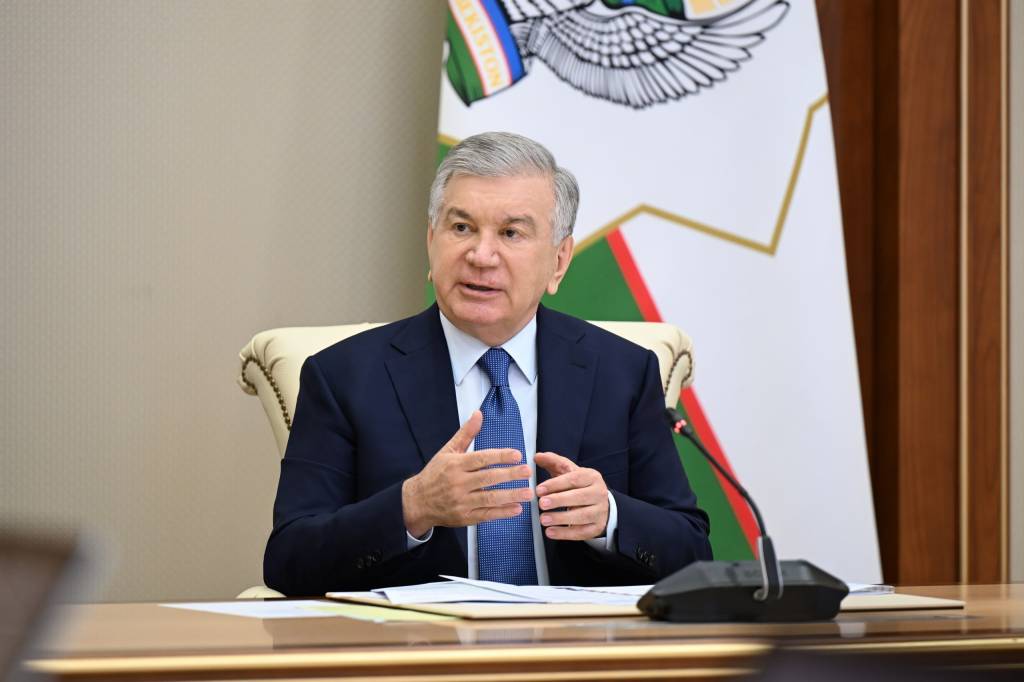
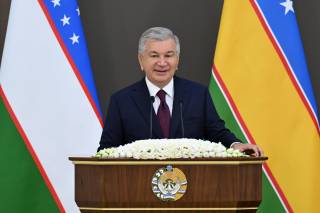
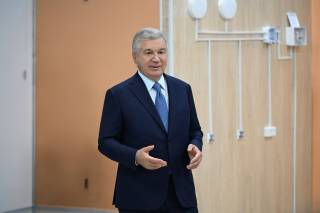
President Shavkat Mirziyoyev reviewed a presentation outlining measures to develop livestock and poultry farming, increase meat and dairy production, and introduce modern technologies into the sector.
The country’s growing population and rising tourist traffic are also driving demand for food products. Today, annual meat demand stands at 2.15 million tons, while production is approximately 1.6 million tons.
In this regard, a package of measures has been developed to increase livestock production from 2026 to 2028. It was noted that an additional 190,000 tons of meat could be produced by restoring enterprises that have suspended operations, supporting districts specializing in livestock farming, constructing lightweight cattle sheds on household farms, and implementing new projects.
In particular, 103 livestock enterprises that have suspended operations are planned for rehabilitation. It was proposed to restructure their debts or allow repayment in installments over ten years, allocate land for fodder crops, and provide the enterprises with pedigree livestock. As a result, 33,000 head of cattle will be maintained, enabling the annual production of 12,000 tons of meat and 40,000 tons of milk.
In 13 districts specializing in livestock farming, it is planned to make efficient use of 75,000 hectares of fodder land, finance small livestock projects, and establish milk collection points and retail outlets that sell animal feed.
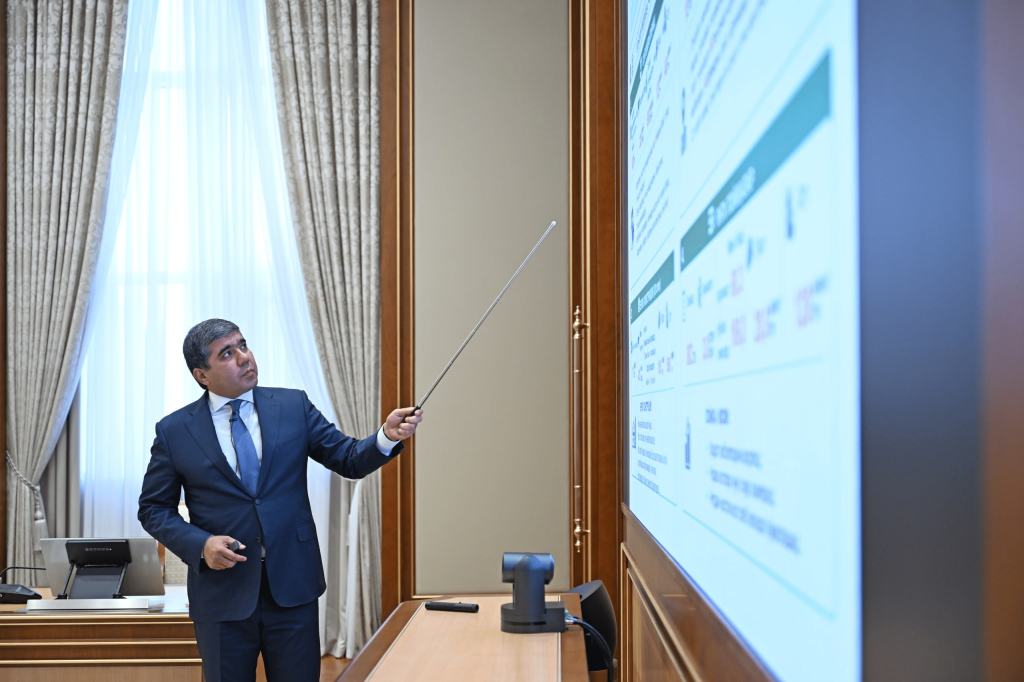
In addition, 11,000 lightweight cattle sheds are planned to be built on 20-sotok household plots, providing housing for 421,000 head of cattle.
As part of 802 new projects with a total value of 3 trillion UZS, conditions will be created to keep more than 68,000 head of cattle and 186,000 sheep and goats. Implementing these projects will make it possible to produce an additional 20,000 tons of meat and 120,000 tons of milk annually.
The results of an AI-assisted analysis of measures to rehabilitate livestock complexes, using the Republic of Karakalpakstan as an example, were also reviewed. The debt of the 20 complexes studied totaled 109.6 billion UZS, with half classified as high-risk. Most of the facilities lack sufficient fodder land and the necessary infrastructure.
Based on this, proposals were put forward to reduce the debt burden, establish a reliable fodder base, gradually relaunch the complexes, first on a pilot basis and then in stages, and supply them with pedigree livestock.
The plan involves importing 150,000 sheep from Mongolia, 100,000 pedigree cattle from China and European nations, and 2,000 livestock from Belarus. This will increase meat production capacity by 44,000 tons per year.
Overall, $463 million is to be allocated to the development of the livestock sector.
Particular attention was given to supporting household farms and mahallas specializing in livestock farming. To date, 2,407 mahallas across 191 districts have been designated as specialized mahallas, with a total population of 3.9 million.
It was proposed to provide such households with affordable pedigree livestock, perform artificial insemination of cows, improve access to animal feed and veterinary services, identify pedigree calves, and offer subsidies. These measures are expected to increase livestock numbers and productivity on farms and create additional sources of income for citizens.
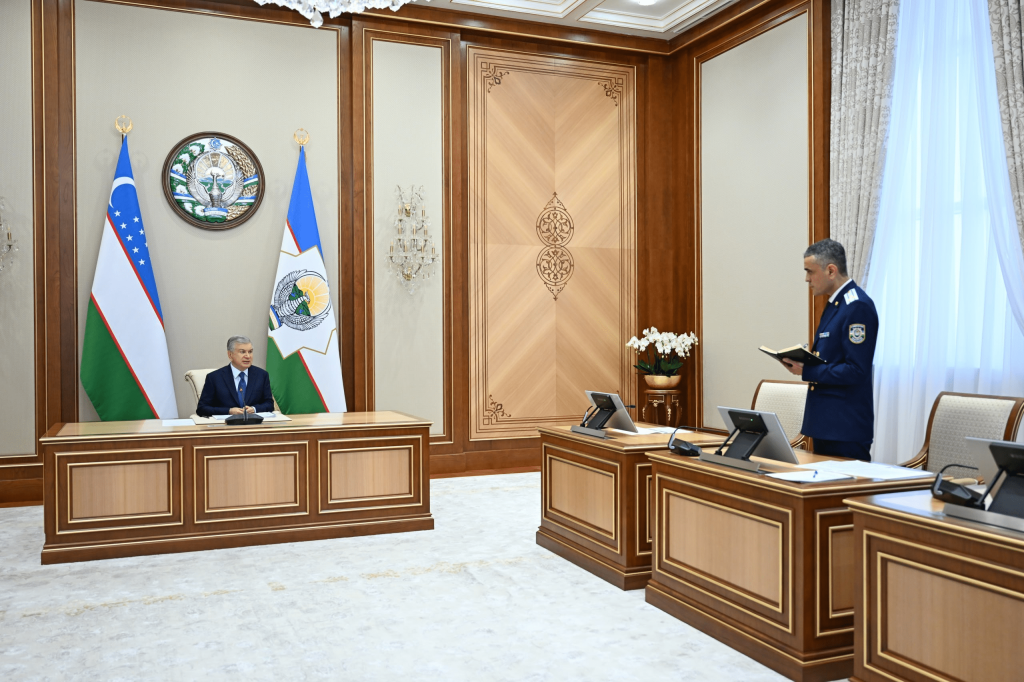
In the field of pedigree livestock breeding, it is planned to establish farms in 13 districts, each designed to accommodate 200 head of cattle, to carry out the artificial insemination of 500,000 cows annually using selected breeding material, and to widely introduce embryo transfer technologies.
During the presentation, a proposal to establish the Livestock Breeders Association of Uzbekistan was also reviewed. The new organization will protect livestock breeders’ interests, foster cooperation, promote breeding activities, scientific research, and innovation, and address issues related to financial support and access to foreign markets.
The Smart Farmer unified digital assistant platform for farmers and the public was also presented. Through the mobile application, users will be able to identify livestock, call a veterinary specialist, access information on artificial insemination, feeding management, and pasture management, apply for subsidies, and receive AI-powered advice.
In the poultry sector, projects totaling $432 million are planned. These projects are expected to produce an additional 100,000 tons of poultry meat by 2028, increase compound feed production capacity to 3.3 million tons, and expand the coverage of modern slaughter systems from 20 to 50 percent.
The Head of State instructed the responsible officials to conduct an in-depth analysis of the economic efficiency of the projects, ensure the targeted and effective allocation of funds, introduce digital accounting and monitoring systems, and take measures to ensure a stable supply of high-quality, affordable products to the domestic market.
UzA