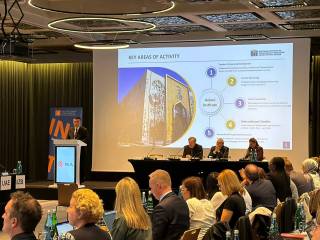
Environmental sustainability as a foundation for national development
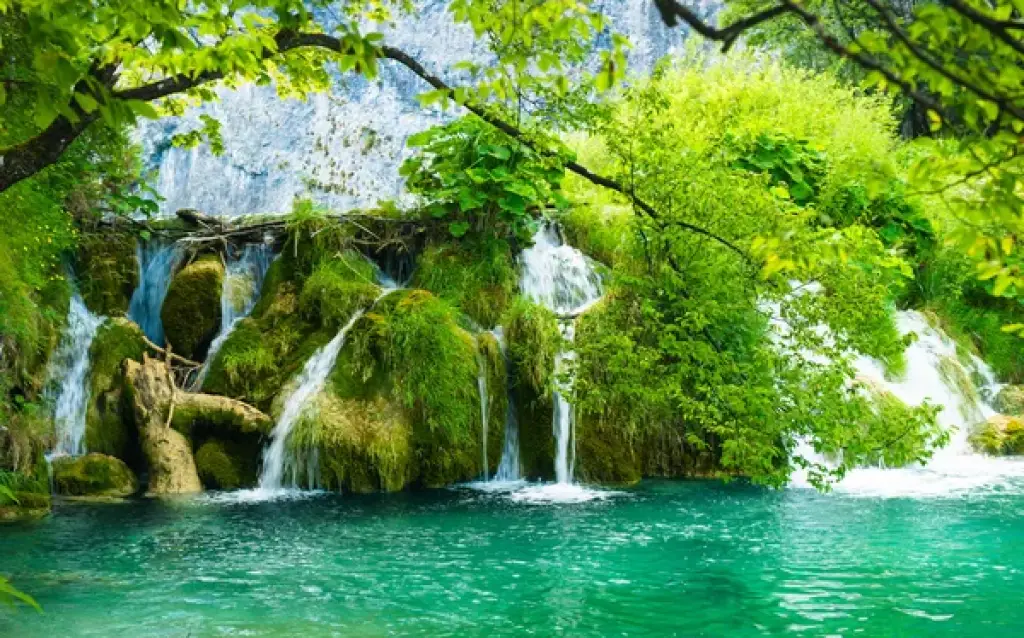
Amid growing global environmental challenges, environmental protection is becoming increasingly important in Uzbekistan.
As part of the National Sustainable Development Goals through 2030, Uzbekistan is implementing a comprehensive set of systemic measures to protect the environment, ensure the rational use of natural resources, and develop a green economy.
Particular attention is being paid to conserving water resources and improving sanitation infrastructure. Local treatment facilities at industrial enterprises are being modernized, and car washes are introducing water-saving technologies. At the same time, regional cooperation is being strengthened to ensure the efficient and rational use of transboundary water resources.
According to the National Committee on Ecology and Climate Change, air, water, and soil quality monitoring systems are being expanded to improve the environment and ensure cities’ environmental sustainability. As part of the Clean Air project, dust and gas treatment facilities at industrial enterprises are being modernized. Millions of saplings have been planted under the nationwide “Yashil Makon” project, bringing the country’s green coverage to 15 percent.
Improving the waste management system is essential to sustainable consumption and production. To this end, the Waste Management and Circular Economy Development Agency has been established. Digital waste management systems are being introduced, environmental product labeling is being expanded, and modern projects for waste recycling and waste-to-energy generation are being implemented.
Raising environmental awareness among the population is another important factor in ensuring environmental sustainability. To this end, the nationwide Eco-Culture project is being implemented to foster a responsible attitude toward nature and promote sustainable living. Green University and green technical colleges are training qualified specialists for the environmental sector and conducting research.
The country is also gradually strengthening its commitments to combating climate change. Under the Paris Agreement, Uzbekistan has committed to reducing greenhouse gas emissions per unit of GDP by 35 percent by 2030, compared with 2010 levels. In addition, the country has set a target to increase this reduction to 50 percent by 2035.
Preserving biodiversity and expanding forested areas are also priorities in environmental policy. Today, specially protected natural areas account for 14.2 percent of the country’s total territory. The country has compiled a list of national natural heritage sites. Green belts and protective forest plantations are being established across thousands of hectares in desert and foothill regions.
Implementing these measures strengthens environmental security, conserves natural resources, and mitigates the effects of climate change, while also creating a healthy and favorable environment for future generations.
Most importantly, environmental sustainability is now seen not just as a matter of nature conservation, but as an integral part of economic development, public health protection, and the country’s long-term development strategy.
Muhayyo Toshqorayeva, UzA