Digital future of Eurasia discussed at GSMA M360 Eurasia forum in Samarkand
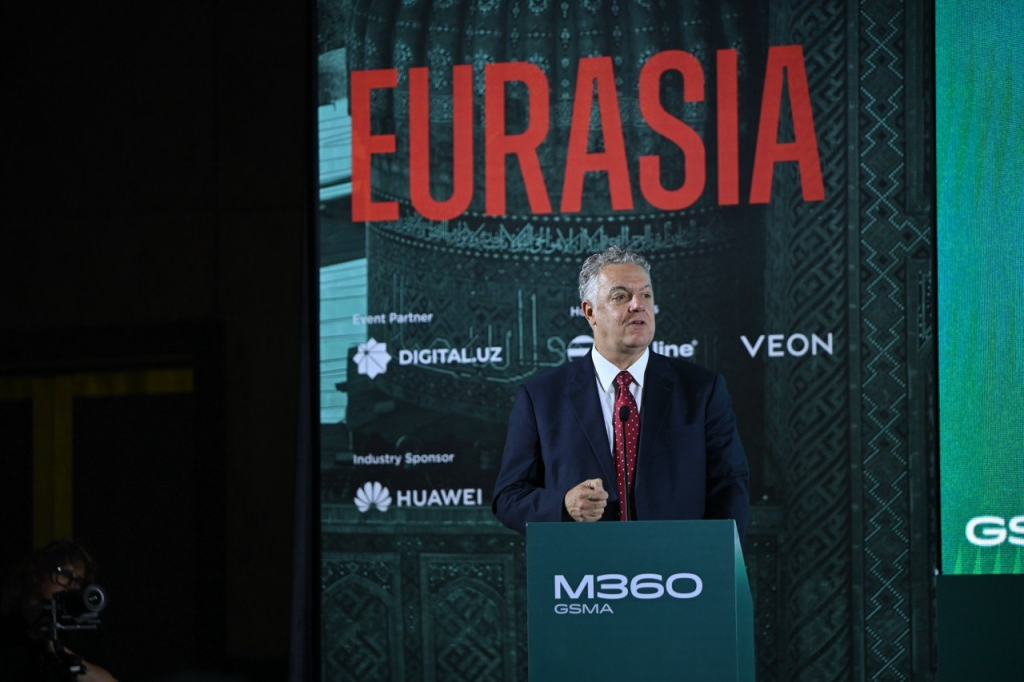
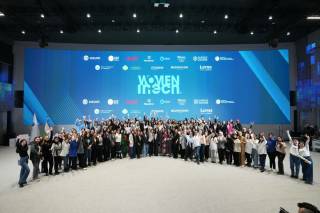
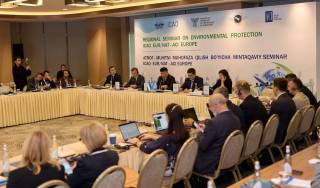
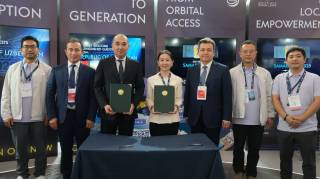
Samarkand hosts the M360 Eurasia 2026 forum, bringing together government officials, industry leaders, and technology innovators to discuss the future of Eurasia’s digital connectivity and the policies and technologies needed to unlock the region’s full digital potential.
According to new data from the Mobile Economy Eurasia 2026 report, the mobile ecosystem contributed $270 billion to the region’s economy in 2025, equivalent to 8.1% of GDP, and is projected to exceed $300 billion by 2030.
During the plenary opening, GSMA Chief Regulatory Officer John Giusti discussed the key decisions shaping Eurasia’s digital future, emphasizing the role of mobile connectivity, 5G, AI-ready government services, and sustainable digital infrastructure. He highlighted the importance of long-term investment, balanced regulation, and close collaboration between the government and the industry.
According to the Mobile Economy Eurasia 2026 report, despite the continued expansion of mobile internet coverage, the region still has a 29% usage gap, with the main barriers remaining affordability, digital skills, and user trust.
By 2030, nearly 30% of all mobile connections in Eurasia will be on 5G. In Uzbekistan, according to forecasts, more than 40% of connections will be on fifth-generation networks. This will exceed the regional average.
Pitch Day: Uzbekistan is being held as part of the forum – a joint initiative by IT Park Uzbekistan, the International Telecommunication Union, IT Ventures, and GSMA – providing promising technology startups from Uzbekistan with an opportunity to showcase their innovations to the international investment community. The winning team will receive $10,000 and a dedicated 4YFN exhibition space at MWC27 Barcelona. The winners will be announced on the event’s official social media pages.
In addition, the semifinal of the Green and Digital Solutions regional hackathon will be held in Samarkand on May 21, bringing together young innovators from Central Asia to develop solutions at the intersection of digital technologies and sustainable development amid growing climate challenges. The hackathon is organized by the Kyrgyz State Technical University in partnership with the International Telecommunication Union and GIZ PROGRESS.
For the second consecutive year, the forum is being organized in partnership with GSMA, the Ministry of Digital Technologies of the Republic of Uzbekistan, Beeline Uzbekistan, and VEON, with support from the International Telecommunication Union and the Regional Commonwealth in the Field of Communications.
Aziza Alimova, UzA