Corruption prevention workshops conclude
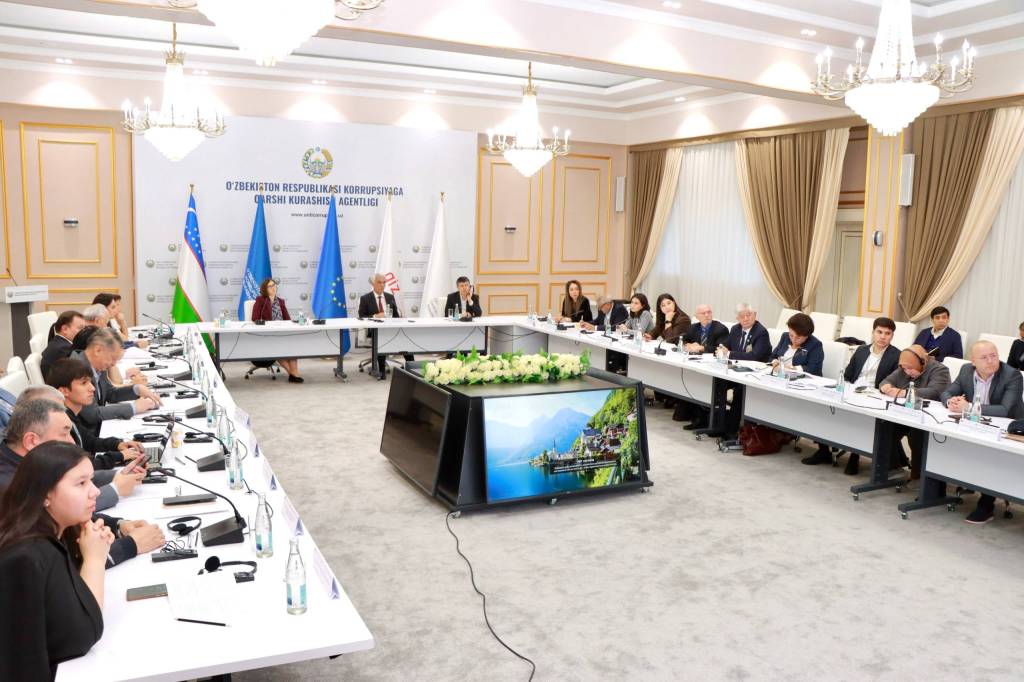
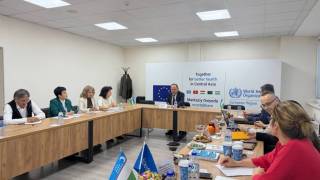
Representatives of non-governmental non-profit organizations from across Uzbekistan took part in workshops on preventing corruption.
The events were held as part of the project “Improving governance in Uzbekistan: inclusive corruption prevention”, implemented by the Anti-Corruption Agency of the Republic of Uzbekistan in partnership with Transparency International Latvia and the Central Finance and Contracting Agency of the Republic of Latvia. Regional branches of the National Association of Non-Governmental Non-Profit Organizations of Uzbekistan provided organizational support for the workshops.
The seminars featured Arturs Bikovs, a representative of Transparency International Latvia, Aigul Akmatzhanova, a representative of Transparency International Kyrgyzstan, and Foziljon Otakhonov and Khurshida Abzalova, professors at Tashkent State University of Law, as experts and trainers.
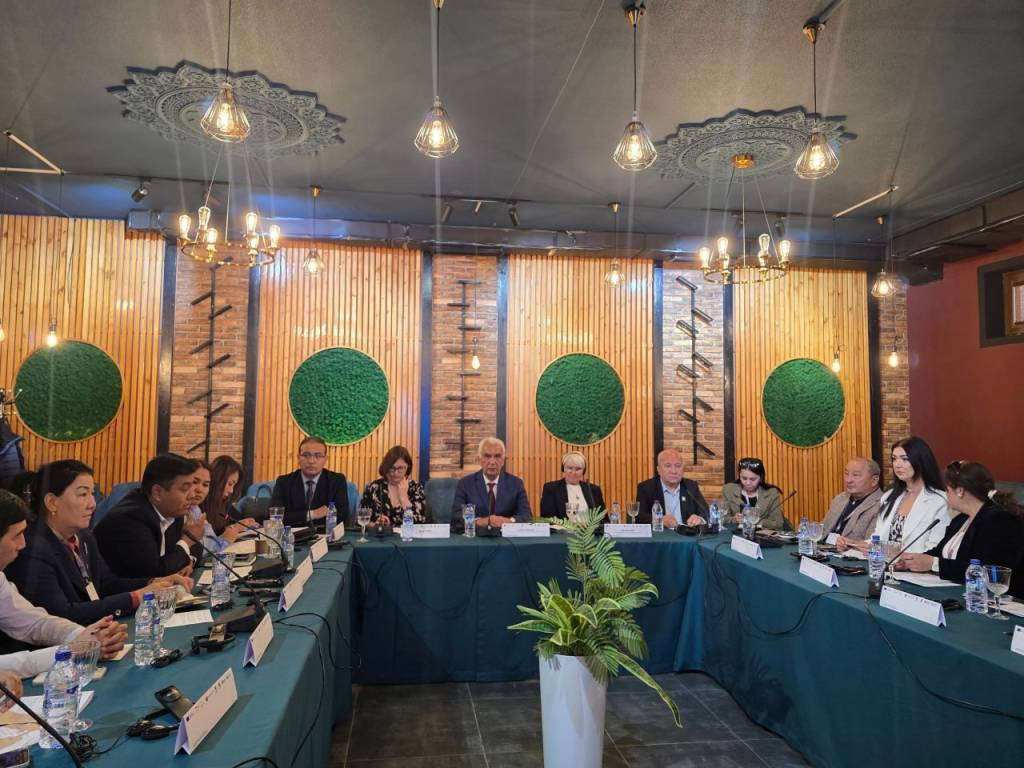
The training program consisted of four sessions combining theoretical lectures and practical exercises. Participants discussed the role of NGOs in preventing corruption, mechanisms for public oversight and monitoring, and ways to identify corruption risks by analyzing open data. Particular attention was given to international anti-corruption standards, NGO involvement in monitoring, and public anti-corruption reviews of existing and draft regulatory legal acts. Participants also explored opportunities to improve legislation, prepare alternative reports, and develop practical recommendations to strengthen the transparency and accountability of government bodies.
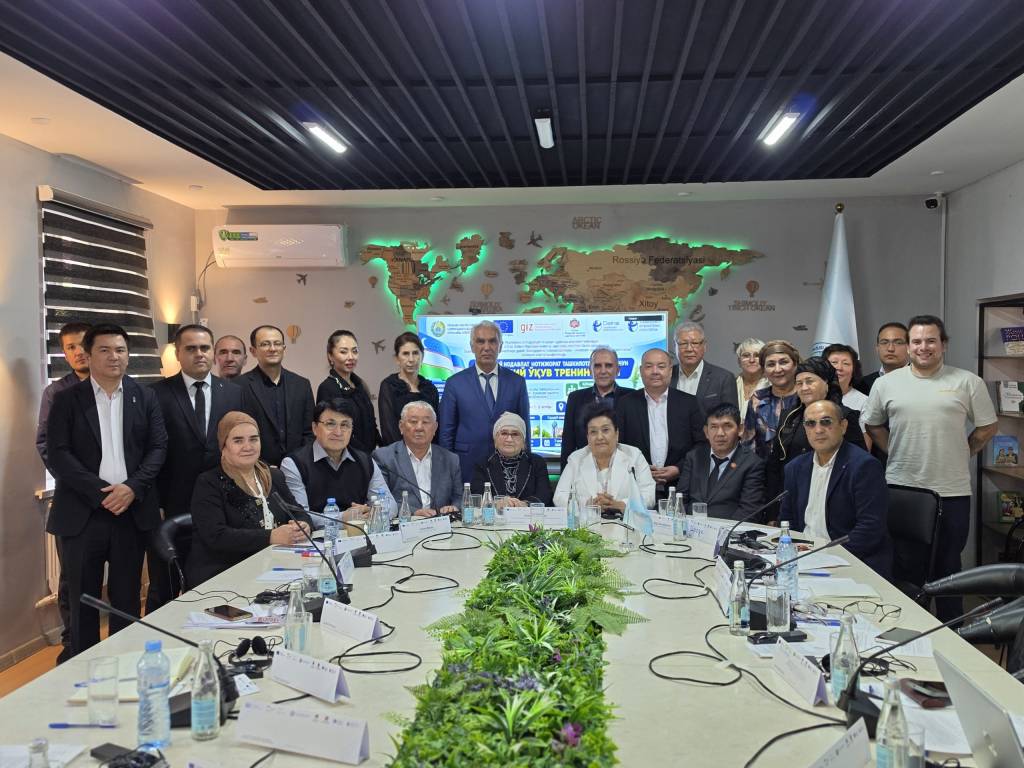
Professor Foziljon Otakhonov, Chairman of the Public Council under the Anti-Corruption Agency, Doctor of Law, spoke about the legal opportunities available to NGOs and the practical tools they can use in their activities. He noted that NGOs can participate in the development and implementation of government programs, help raise public legal awareness and promote legal literacy, conduct public monitoring of government service delivery and access to open data, and submit proposals for improving legislation.
The workshops gave NGO representatives from 14 regions the opportunity to share international experience, strengthen their professional competencies, and build practical skills in preventing corruption. They also fostered cooperation between government bodies and civil society institutions, enhanced the effectiveness of public oversight, and promoted transparency and accountability.
Norgul Abduraimova, UzA