Constructive diplomacy amid global polarization: opportunities to turn the SCO into a geo-economic driver
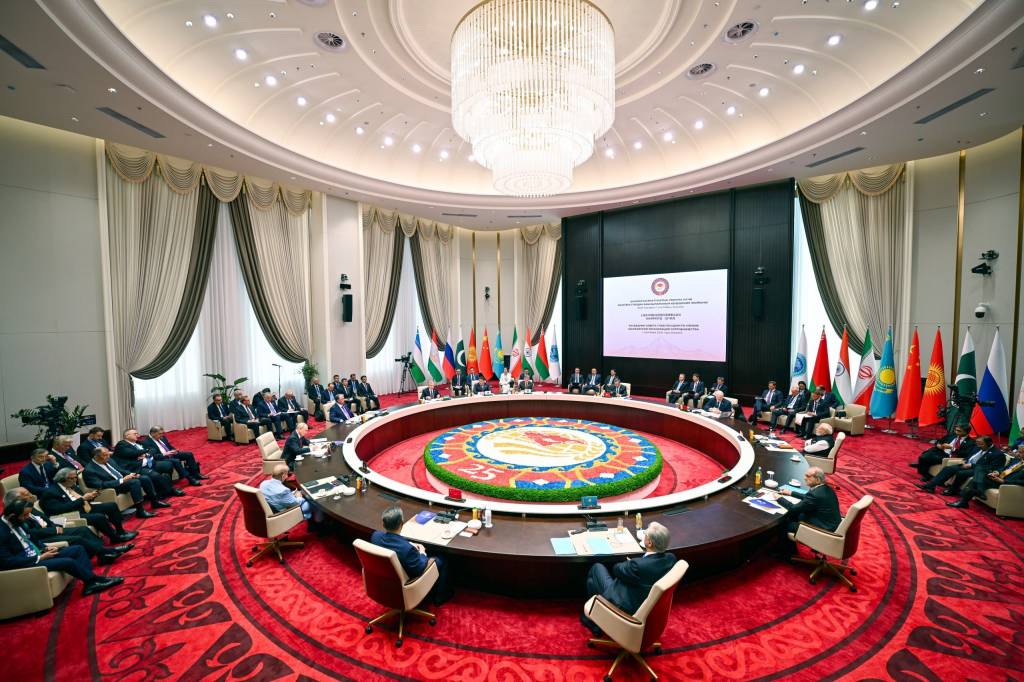
The SCO Member States’ Council of Heads of State meeting, marking the Organization’s 25th anniversary, took place amid major shifts in global politics.
Amid rising distrust in international relations, escalating geopolitical polarization, and weakening global legal norms amid Middle East tensions, the Organization must decide: will the SCO remain just a dialogue platform or become a strong geo-economic force that promotes shared growth across a large region?
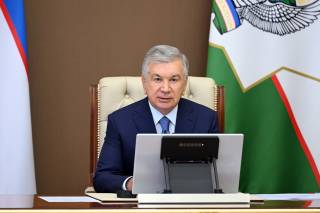
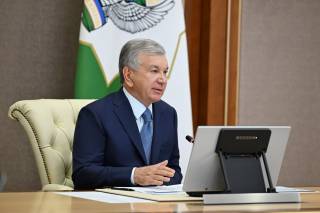
President of the Republic of Uzbekistan Shavkat Mirziyoyev’s keynote at the summit clearly addressed this central question. Highlighting Central Asia as the geographical and strategic center of the SCO, the Head of State proposed several long-term initiatives to strengthen the Organization’s role as an open, non-aligned, and peace-centered platform.
The President’s main proposal, titled “SCO 2040: A Space of Common Development”, outlines the Organization’s strategic path for the next fifteen years. This vision emphasizes enabling the free movement of investments, advanced technologies, and knowledge, while also deepening direct connections among regions, businesses, and citizens via major infrastructure initiatives.
In his speech, the Leader of Uzbekistan highlighted that economic cooperation serves as the primary measure of the Organization’s success. Currently, over 1,500 joint projects are underway in Uzbekistan in collaboration with SCO countries.
To maintain the ongoing collaboration, the proposal was made to develop an SCO Industrial Cooperation Map that links special economic zones, manufacturing industries, markets, and logistics. This initiative aims to facilitate the development of multilateral value chains across industrial sectors and establish a universal digital platform for businesses.
As the Head of State highlighted, to reinforce the financial base of economic initiatives, it is now essential to transition from discussing general principles to actively launching the SCO Development Bank. It was stressed that this bank should be more than just a symbolic entity. It must be founded on a tangible portfolio of investment projects that carry regional importance and are ready for deployment in areas like transport, energy, industrial cooperation, and digital infrastructure. This strategy will enable the Organization to allocate financial resources directly to infrastructure projects that promote mutual prosperity.
The focus on shaping a digital future was a key point in the address by Uzbekistan’s Leader. Welcoming President Xi Jinping’s proposal to form a World Artificial Intelligence Cooperation Organization, President Shavkat Mirziyoyev suggested that the SCO should be among the first partners in this digital alliance. As a practical step, he proposed creating an open, multilingual SCO data corpus and organizing an SCO Forum on Artificial Intelligence and Digital Solutions in Tashkent next year. This initiative aims to unify the technological strengths of regional countries and enhance competitiveness in the artificial intelligence era.
Today, the global risks and threats from climate change form an interconnected system tightly linked to food, water, and energy security. During the summit, the Head of State highlighted the importance of creating a specialized SCO mechanism to coordinate programs and facilitate knowledge exchange. It was also proposed to develop an SCO Technological Cooperation Program on Water and Energy Efficiency through 2035. This practical initiative aims to promote the responsible use of natural resources and support sustainable development in a region increasingly threatened by environmental challenges.
To improve transport and logistics connectivity, an initiative was proposed to create a Council for the Integration of Railway Networks among SCO Member States. This council’s primary role will be to coordinate logistics infrastructure and facilitate seamless links between national transport systems. Aimed at unlocking the continent’s transit potential, this mechanism will boost the efficiency of transport corridors and substantially strengthen trade and economic connections among member countries.
On security, the Head of State said Tashkent will create the necessary conditions to support the effective functioning of the Universal Center for Countering Security Challenges and Threats. He also reaffirmed Uzbekistan’s firm stance on the situation in Afghanistan, stressing the importance of involving the neighboring country in regional development efforts. In this regard, the Leader of Uzbekistan pointed out that it is time to restart regular dialogue between the SCO and Afghanistan.
A cooperation program for 2028-2030 was proposed in the cultural and humanitarian fields to preserve and promote traditional art and intangible cultural heritage, aiming to strengthen friendship among nations.
President Shavkat Mirziyoyev’s speech at the SCO Council of Heads of State meeting highlighted Uzbekistan’s open, responsible, and strategic foreign policy. The initiatives he proposed aim to benefit Uzbekistan’s national interests while also promoting peace, trust, mutual respect, and shared prosperity within the SCO region.
Alisher Egamberdiyev, UzA