Central Asia to create a unified digital space
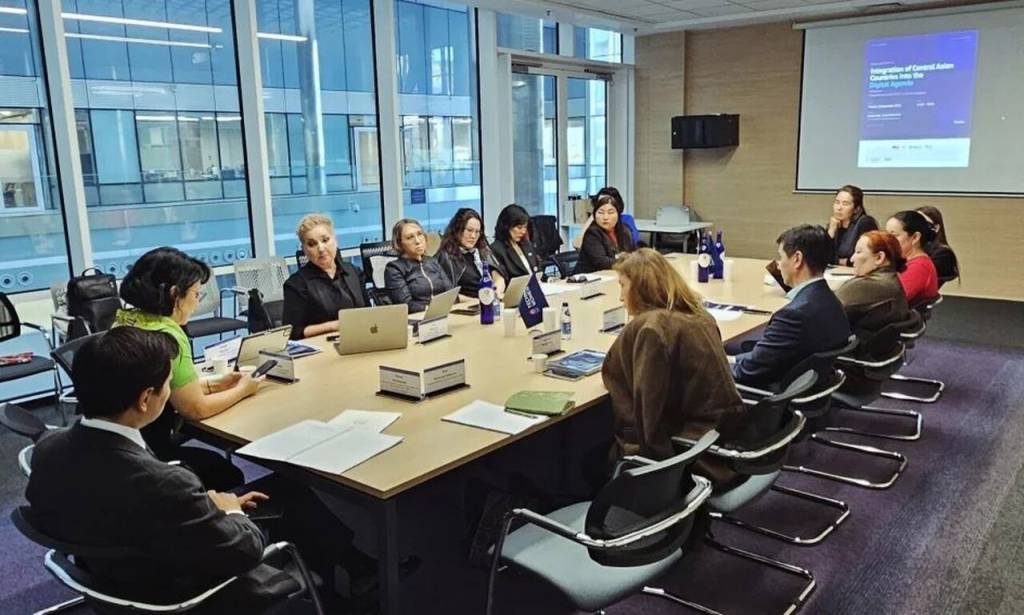
Four initiatives that could reshape digital cooperation among the region’s countries were presented in Astana. At the regional roundtable “Integrating Central Asian countries into the digital agenda”, held in Astana, participants discussed proposals to advance digital integration in Central Asia.
The proposals were developed within the B5+1 Business Platform and are intended to foster closer cooperation among the region’s five digital markets.
One key initiative proposes that Central Asian countries cooperate on digital policy and artificial intelligence governance.
Participants propose aligning approaches to electronic documents, digital identification, personal data protection, cybersecurity, and AI regulation.
The second initiative focuses on developing a Code of Ethics for the Responsible Use of AI in Central Asia. The document is proposed as a set of non-binding recommendations.
Among the key principles proposed is a requirement that people know when they are interacting with artificial intelligence and can receive a clear explanation of decisions made by an AI system. The right to human review should also be preserved, and AI use must not result in unlawful discrimination. Particular attention is proposed to protecting personal data, as well as the safety of children and other vulnerable groups.
Another area of cooperation is the joint development of language resources and datasets for artificial intelligence. The proposal includes creating datasets for Central Asian languages.
The fourth initiative calls for establishing a permanent mechanism for cooperation between government agencies and IT companies. Under the proposal, businesses would be able to participate in discussions on new rules for the digital economy before they are adopted.
It is also proposed to expand cooperation with international technology companies, cloud service providers, telecommunications operators, and investors.
The initiators believe that interoperability among digital systems would enable the five Central Asian countries to present themselves to international companies not as separate markets but as a single market with a population of more than 80 million.
The new initiatives are expected to be used to prepare the B5+1 Regional Business Agenda for 2027.
G. Khonnazarov, UzA