A key change: the format for engaging with Uzbekistan's youth has been transformed
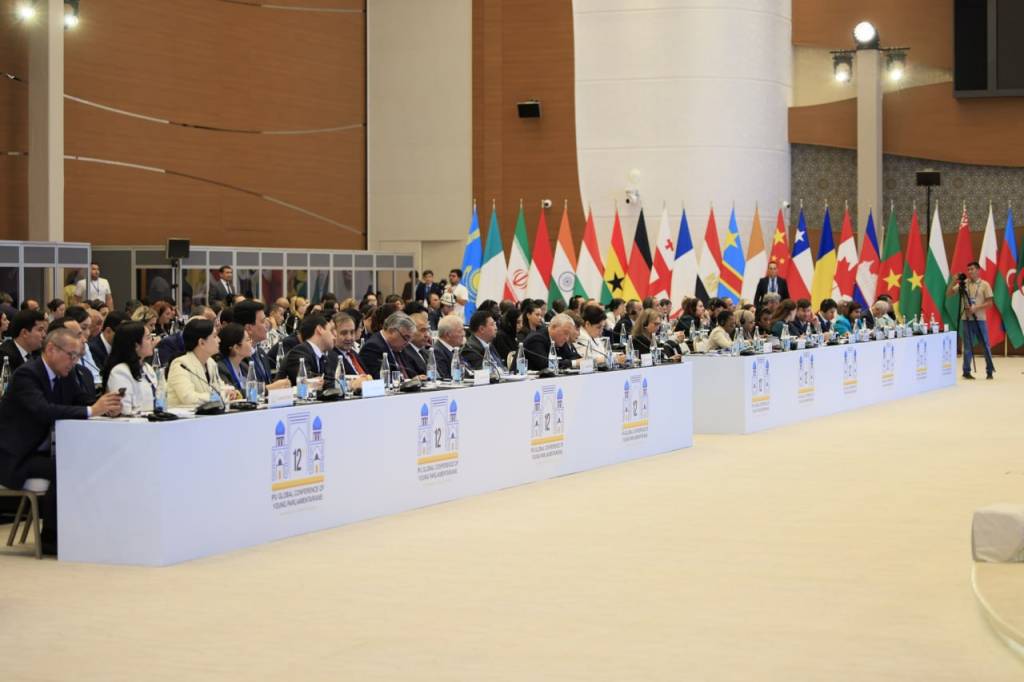
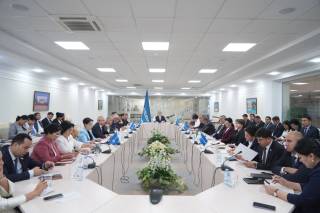
The 12th Global Conference of Young Parliamentarians of the Inter-Parliamentary Union, held in Samarkand, served as a major platform for political dialogue among young parliamentarians from around the world. This conference plays a crucial role in uniting the voices of youth, expanding their participation in global decision-making, and showcasing the new possibilities of parliamentary diplomacy.
Otabek Sobitov, Chairman of the Youth Parliament under the Legislative Chamber of the Oliy Majlis, shared his thoughts on this matter:
— The gathering of young parliamentarians from around the world in Samarkand is not just another international event for us. I see this, first and foremost, as a sign that the opinions and positions of young people are playing an increasingly important role in global politics. The current generation is not one that merely observes what is happening in the world from the sidelines. We are directly feeling the consequences of wars, climate change, economic inequality, digital security, and issues related to education and employment. Therefore, young people must have their own vision on these matters, their own proposals, and most importantly, their own voice where decisions are made.
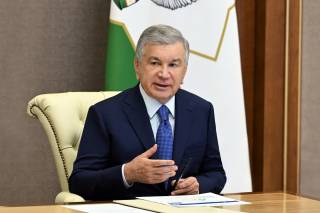
In his address to the conference participants, our President noted that more than 500 million children and young people worldwide live in armed conflict zones. This figure alone shows how serious the current situation is. While we are studying, working, and planning our future in a peaceful and tranquil country, a large number of our peers are deprived of basic security, the opportunity to go to school, or even to think about the future.
For this reason, when we talk about human rights and dignity, we must see it not just as a concept in international documents, but as an issue connected to the daily life of every young person.
For me, one of the most important aspects of the changes in Uzbekistan is the shift in the format of communication with young people. Today, youth are not just an audience that listens to ready-made decisions. Their problems are studied, their initiatives are discussed, and some of their proposals are being transformed into state programs and legislative initiatives.
Youth parliaments are also a part of this process. The election of nearly 200 young people as members of representative bodies in the 2024 elections is a significant signal. This shows that doors are opening for young people, but now our task is to justify this trust with results. A young deputy or a young parliamentarian should be understood not just as a new cadre based on age, but as a representative with a new way of thinking, agility, openness, and a keen sense of modern problems. We must be able to raise youth issues not only at youth events, but also in matters of the budget, employment, ecology, digitalization, education, and regional development.
The Samarkand conference is crucial for forming a permanent network with our peers in various countries to work on legislative initiatives, parliamentary oversight, and the protection of youth rights.
Reported by Muhtarama Komilova, UzA