Work to transform the national airline and prepare it for IPO to be accelerated
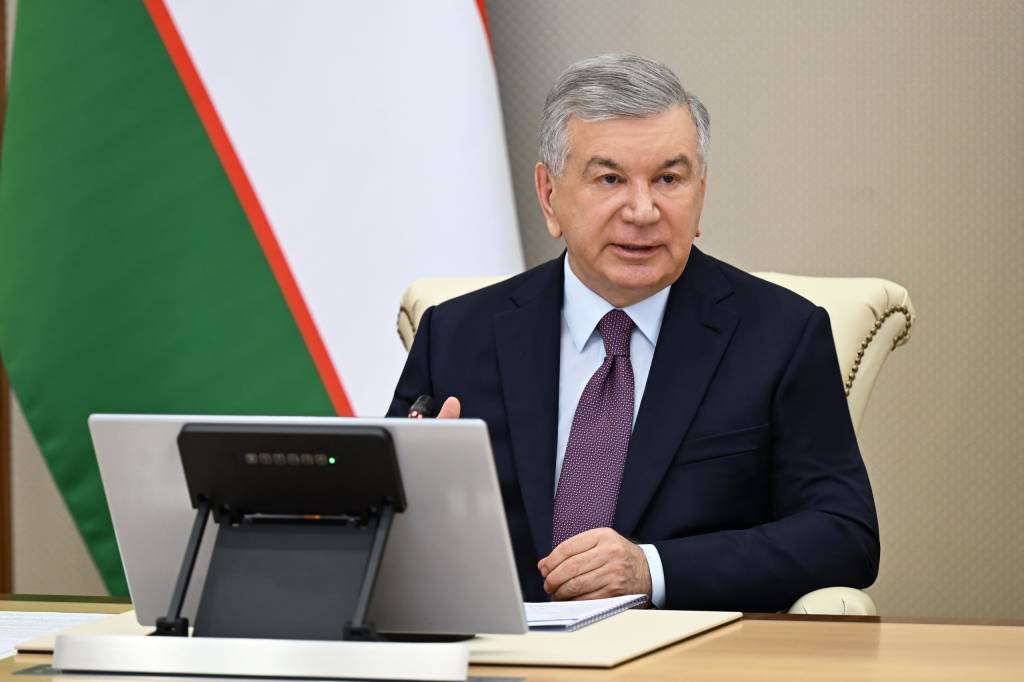
President Shavkat Mirziyoyev reviewed a presentation on accelerating Uzbekistan Airways JSC’s transformation and its preparations for an IPO.
In recent years, systematic efforts have been underway to reform major state-owned enterprises and to introduce international standards for corporate governance and reporting. An important step in this process was the establishment of the National Investment Fund and the engagement of Franklin Templeton to manage it.
Last month, the National Investment Fund placed $690 million in assets on the international market for the first time. This sent an important signal that Uzbekistan is ready to operate under the rules of global capital markets. During the placement, demand exceeded supply fourfold, and major investors submitted applications totaling nearly $3 billion.
The next task is to accelerate transformation across the 13 major companies in the fund’s portfolio and prepare them for IPOs. In particular, work on Uzbekistan Airways, Uzsanoatqurilishbank, Uzbekhydroenergo, Uzbekistan National Electric Networks, and Uzbektelecom is planned to be completed this year.
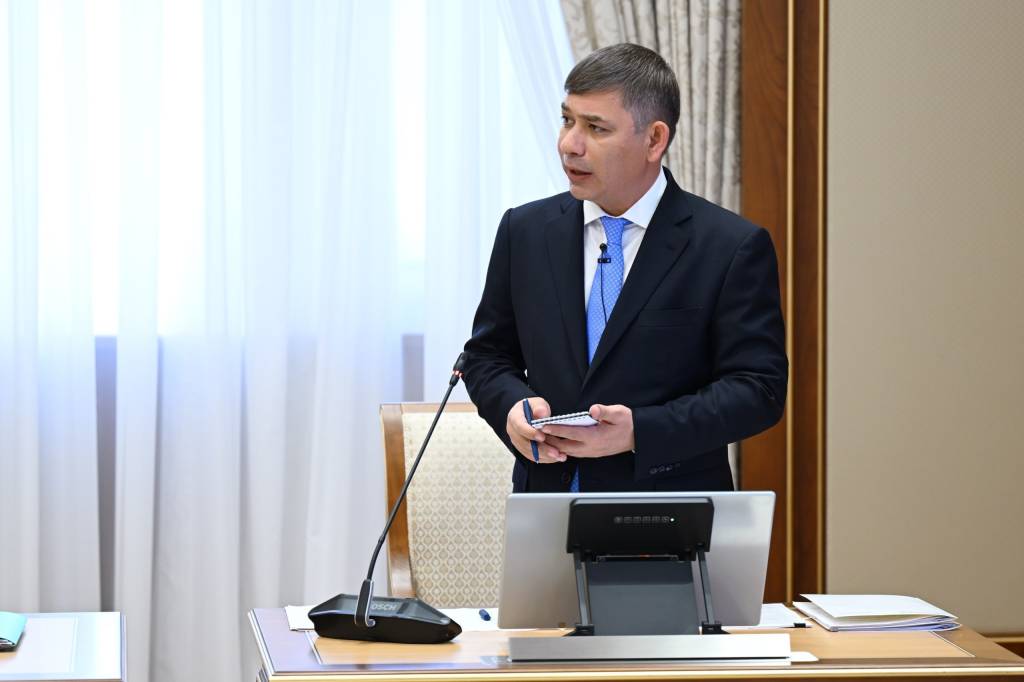
Issues related to the organization of these processes were reviewed during the presentation, using Uzbekistan Airways JSC as an example.
Representatives of Franklin Templeton conducted an assessment of the national airline’s operations and developed a transformation program comprising 115 measures. According to estimates, full implementation of the program would create every opportunity to increase the company’s operating profit by $120 million within a year.
In particular, it was noted that additional revenue could be generated through route optimization, increased direct sales, improved customer service, reduced intervals between flights, and fewer cancellations and delays, as well as by enhancing the efficiency of enterprises within the joint-stock company’s system that provide services such as catering and technical maintenance, and by rapidly adapting to the market situation and attracting qualified specialists.
As a result of these measures, the airline’s market value could rise from $1.6 billion to $2.3 billion. At the same time, it was noted that although the program was developed several months ago, its implementation remains slow.
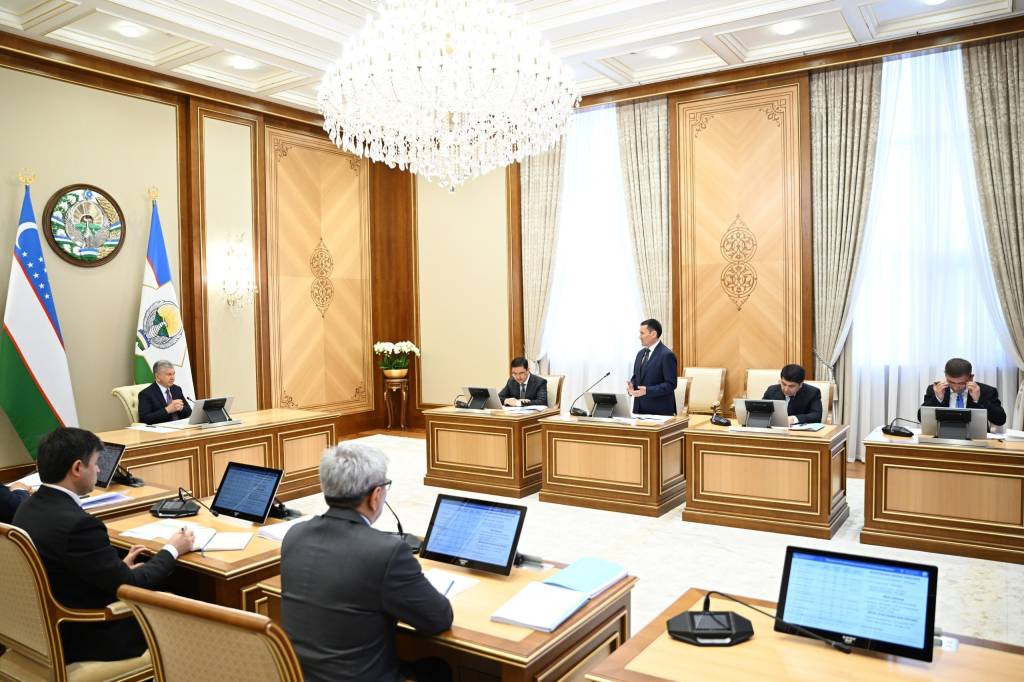
The Head of State emphasized that to prepare the company for the international capital market, it is first necessary to radically improve the quality of management, strengthen financial discipline, maintain reporting in accordance with international standards, and improve its credit rating.
By the end of the year, it is planned to sell 15-20 percent of the national airline’s shares through an international IPO. To this end, practical measures have been identified to assess the company’s operations objectively, increase its investment appeal, write off specialized aircraft from the company’s balance sheet, and introduce a mechanism to compensate for services performed under state orders.
During the presentation, it was noted that the rapid growth of tourism also sets new requirements for the airline. Since the beginning of the year, the number of tourists to Uzbekistan has increased by 27.5 percent, reaching almost 5.5 million. The number of tourists from China, Malaysia, Japan, and the United States has grown particularly noticeably.
At the same time, it was noted that the national airline has been unable to adapt quickly to this growth. Delays are being observed in the expansion of the airline's aircraft fleet.
In this regard, the task was to organize the airline’s procurement system under a separate procedure, ensure prompt decision-making on expanding the aircraft fleet, and introduce international practices into these processes.

The President emphasized that there is every opportunity to turn Tashkent into the largest aviation hub in Central Asia. To achieve this, it is necessary to coordinate cooperation among Uzbekistan Airways JSC, Uzbekistan Airports JSC, and New Tashkent Airport based on a unified system, and to develop infrastructure, routes, and the transit network in an interconnected manner.
Responsible officials were instructed to establish a separate project office to systematically organize the transformation of companies in the National Investment Fund’s portfolio, attract specialists with deep knowledge of international financial market requirements and practical experience to the companies’ governing bodies, develop a clear IPO preparation schedule for each company, and ensure strict oversight of its implementation.
UzA