What is the evolution of tourism in Uzbekistan?
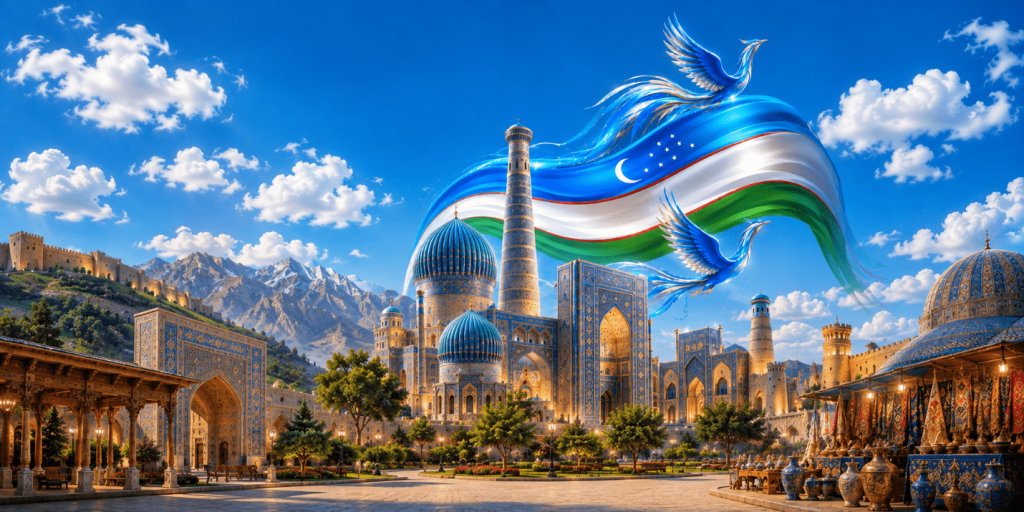
Situated at the crossroads of the Great Silk Road, Uzbekistan attracts millions of visitors worldwide for its rich history, cultural heritage, ancient cities, distinctive architecture, traditional customs, and scenic landscapes.
In recent years, the sector has experienced major developments due to government policies focused on expanding tourism.
Here are the main milestones in Uzbekistan’s tourism development history:
2004
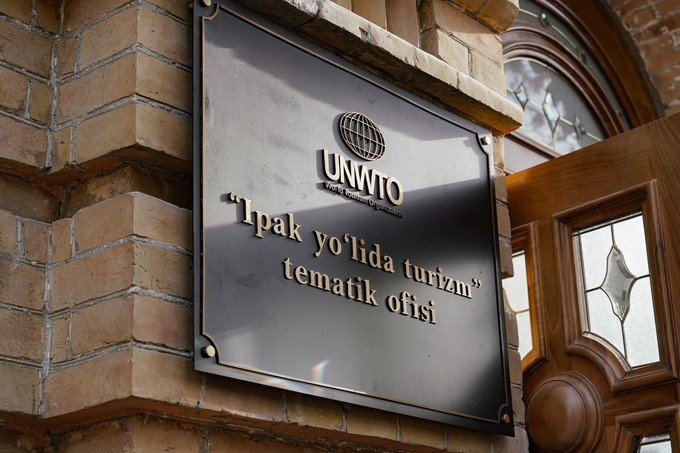
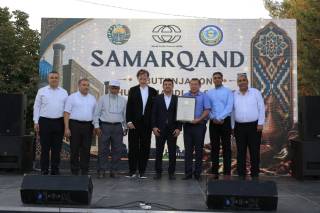
The UNWTO regional office for coordinating tourism development along the Great Silk Road was inaugurated in Samarkand.
2015
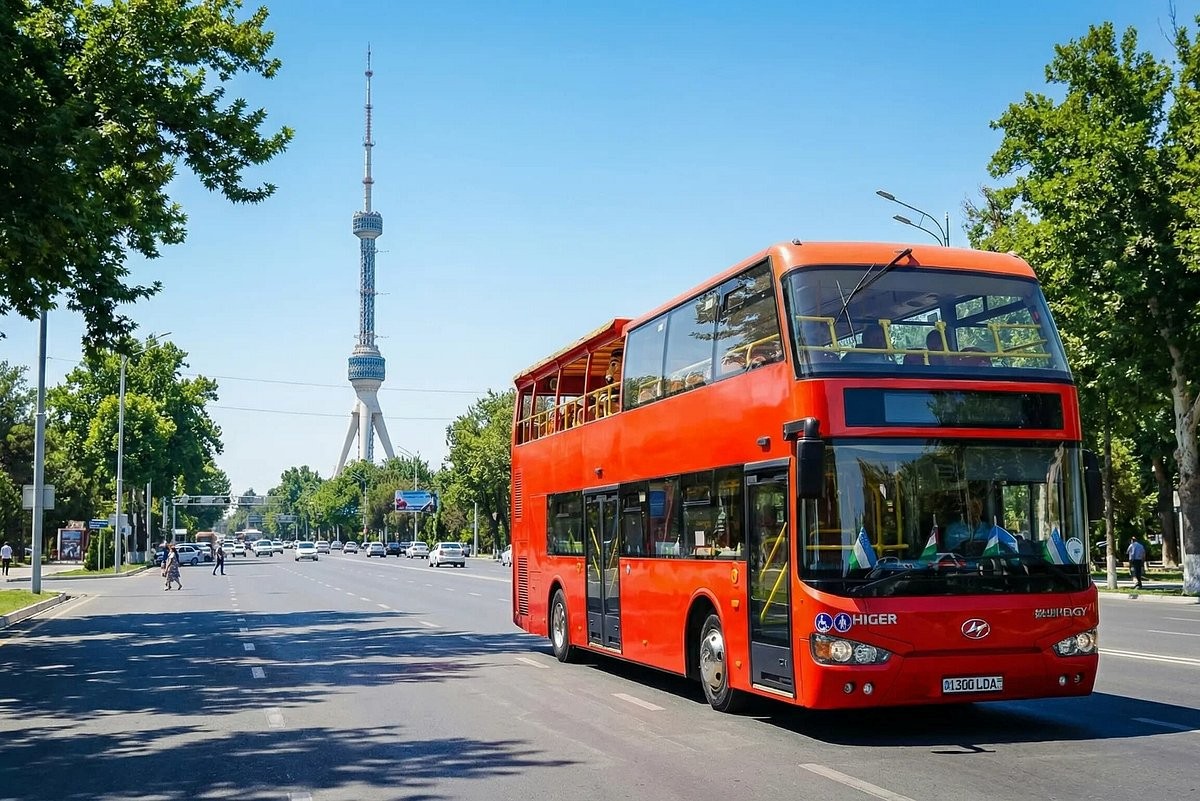
Tashkent introduced double-decker sightseeing buses.
2016
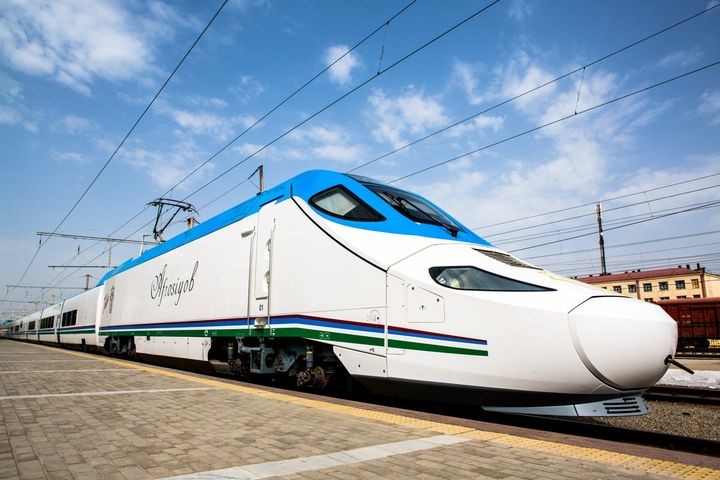
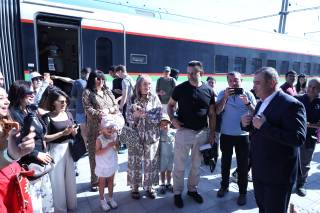
The Afrosiyob high-speed train service was expanded and now extends to Bukhara.
2017
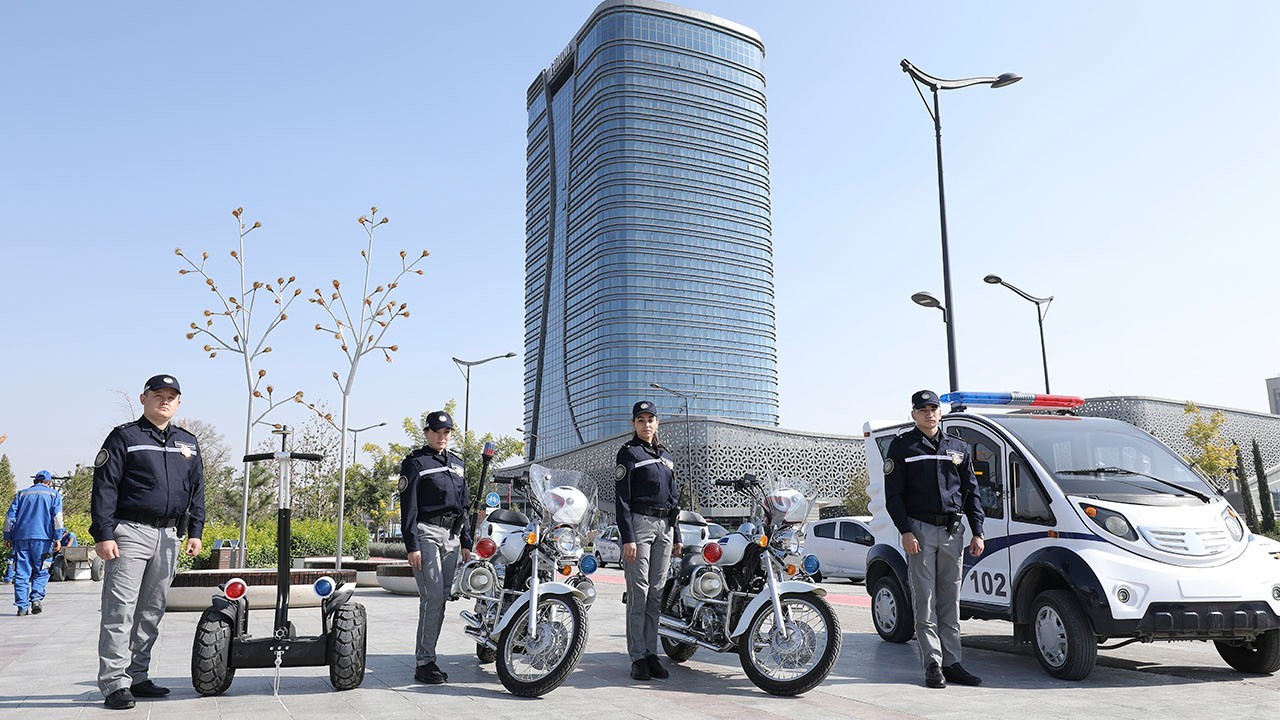
To improve the safety of foreign tourists, dedicated Safe Tourism units (Tourist Police) were set up in Bukhara, Samarkand, Khiva, Shakhrisabz, and Tashkent. Additionally, a call center operating with the short number 1173 has been launched.
2018

Uzbekistan has implemented an e-visa system for international visitors.
The country has started to expand visa-free entry for foreign citizens, and now over 90 countries are included.
The registration process for international tourists was digitized through the introduction of the E-mehmon online platform.
A standard for Halal Tourism was established to boost the country’s tourism prospects.
A domestic travel incentive system was launched as part of the “Travel around Uzbekistan!” domestic tourism initiative.
A regime allowing transit passengers to enter visa-free for five days was implemented.
2019

Amirsoy, Uzbekistan’s first top-tier all-season mountain resort, began operations in Tashkent region.
A new Pilgrim Visa category has been introduced to promote pilgrimage tourism.
Bukhara served as a key international hub for pilgrimage tourism by hosting the International Pilgrimage Tourism Forum.
Kokand was recognized as a World Crafts City and hosted the inaugural International Handicrafters Festival.
A Medical Visa was created to encourage foreign nationals to participate in medical tourism.
The Gastro Bazaar International Festival has started to be held regularly to support the promotion of gastronomic tourism.
2020
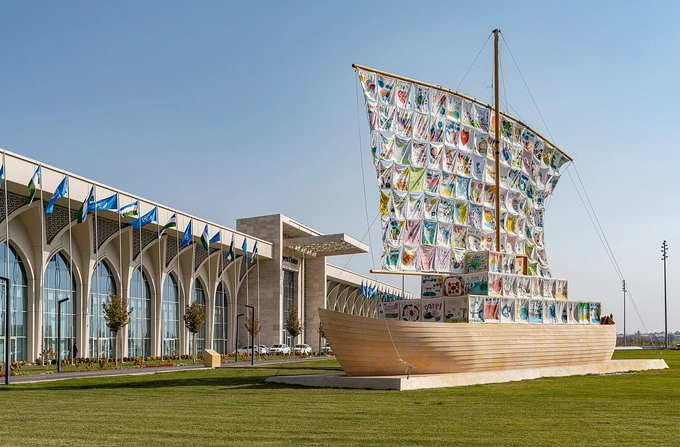
An Open Skies policy was established for foreign airlines operating at the international airports of Karshi, Nukus, Termez, Bukhara, and Navoi.
Lonely Planet, the international travel publication, ranked Uzbekistan as the top travel destination in Central Asia.
2021
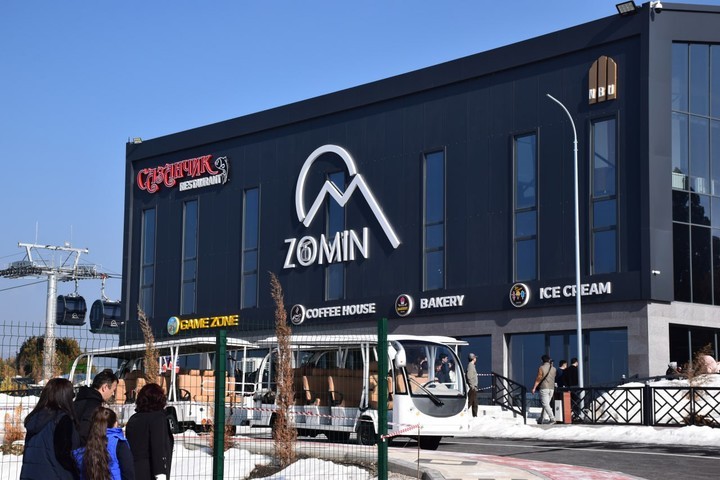
In Zomin district, the Zomin tourism and recreation zone was created, along with an international all-season resort.
The “Uzbekistan. Safe Travel GUARANTEED” system was implemented to ensure the safety of tourists during the pandemic.
The Silk Road International University of Tourism and Cultural Heritage began operating in Samarkand.
2022
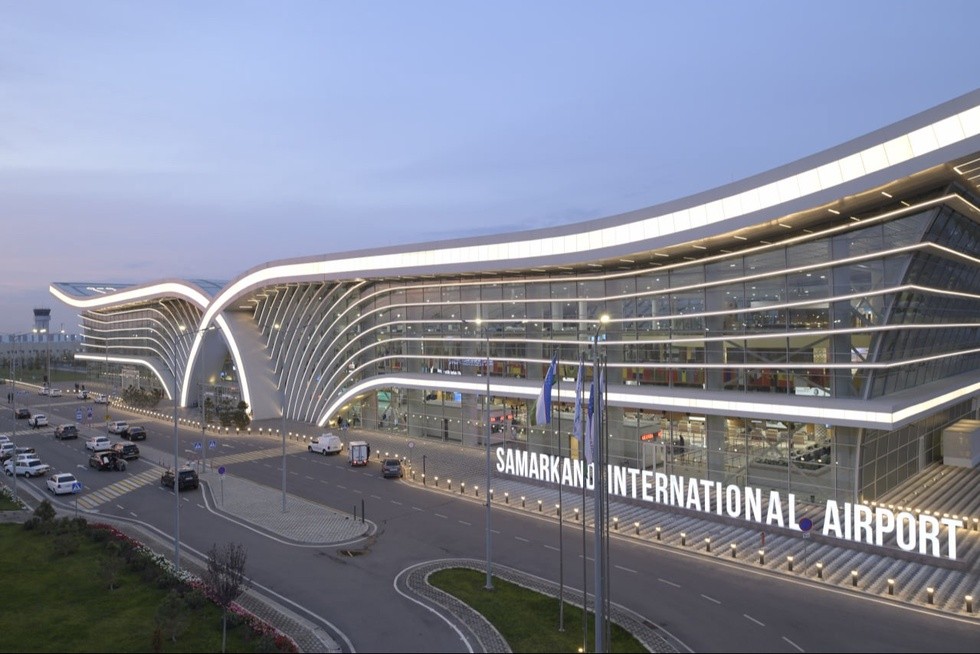
The Silk Road Samarkand, a prominent international tourism hub, has opened in Samarkand.
A new terminal at Samarkand International Airport was designed to resemble an open book, inspired by Mirzo Ulugbek’s “Zij-i Jadid-i Kuragoni”.
2023
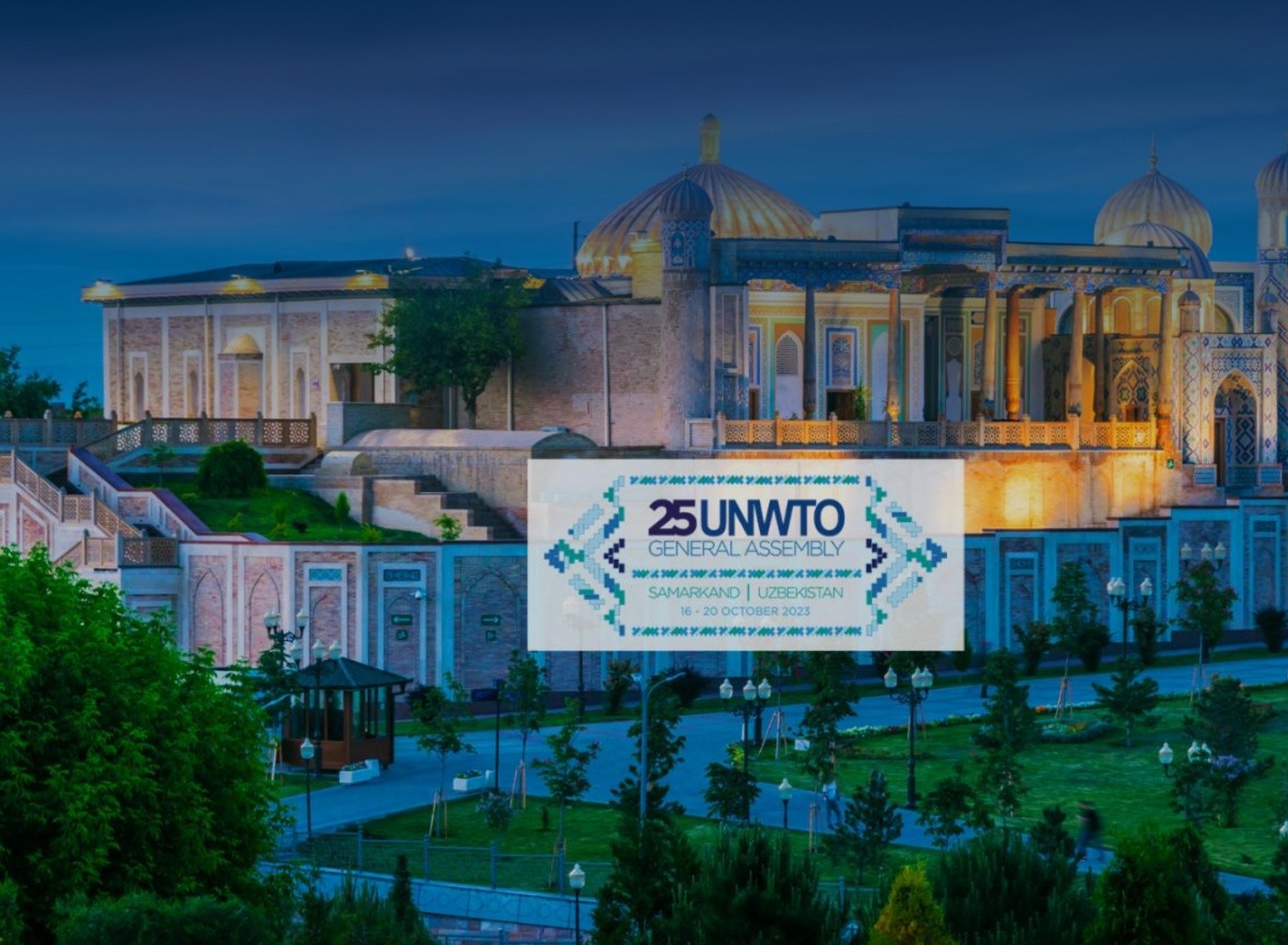
In October, Samarkand hosted the 25th session of the UNWTO General Assembly.
Sentob village in Navoi region was honored by UNWTO as one of the Best Tourism Villages.
The World Tourism Organization’s International Academy of Tourism was founded in Samarkand.
International airports introduced a VAT refund system for foreign tourists.
Samarkand was designated the World Capital of Cultural Tourism.
An E-gate system was implemented at Tashkent International Airport to enhance passenger processing efficiency and automate border control procedures.
2024
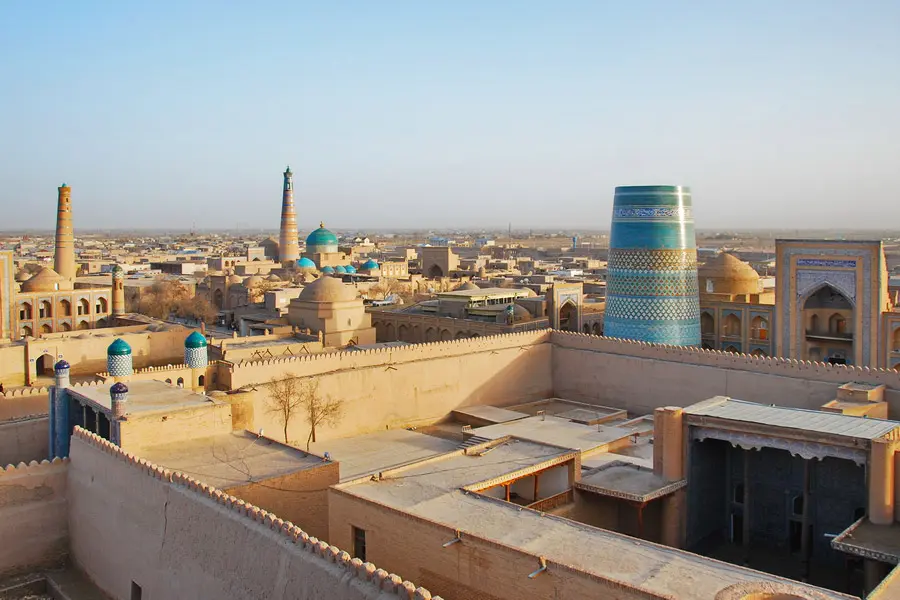
Khiva has been designated the Tourism Capital of the Islamic World.
2025
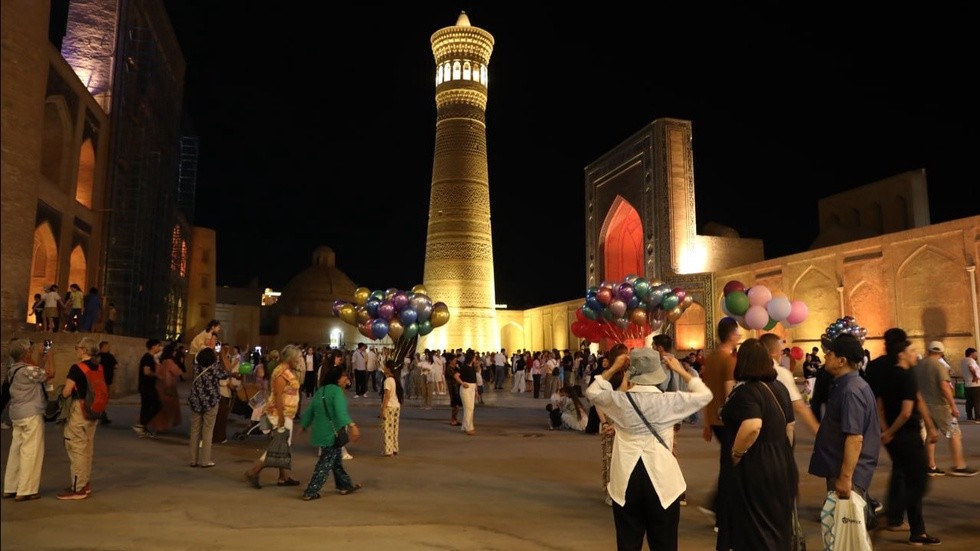
A record 11.7 million international tourists traveled to Uzbekistan throughout the year.
In April, Uzbekistan set a new record by receiving over one million tourists in a single month, a first in the country’s history.
2026
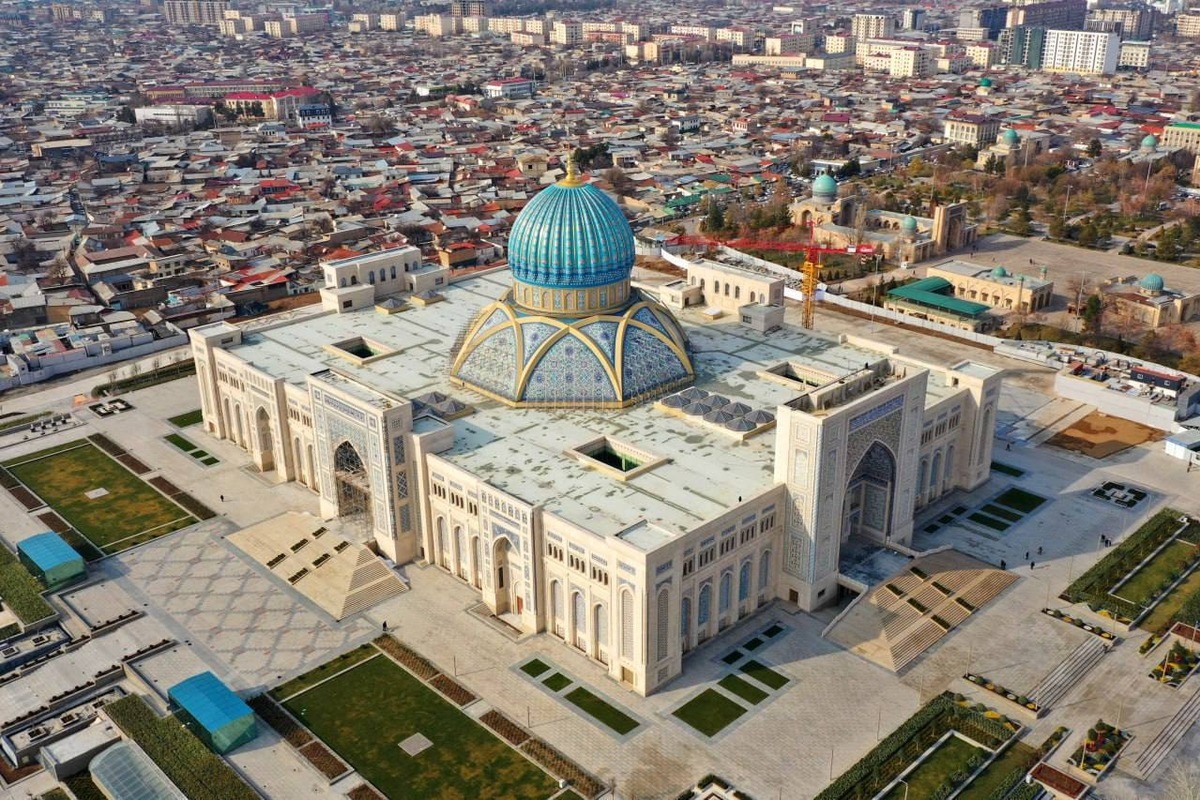
The Islamic Civilization Center has been inaugurated in Tashkent.
In 2025, the World Travel & Tourism Council’s (WTTC) “Travel & Tourism Economic Impact Research 2026” identified Central Asia as the fastest-growing tourism region globally.
The Jaloliddin Manguberdi high-speed electric train completed its initial journey on the Tashkent – Khiva route.
The article was prepared in partnership with the Tourism Committee.
Dilshod Hakimov, UzA