
Uzbekistan develops a draft concept for a disaster medicine system
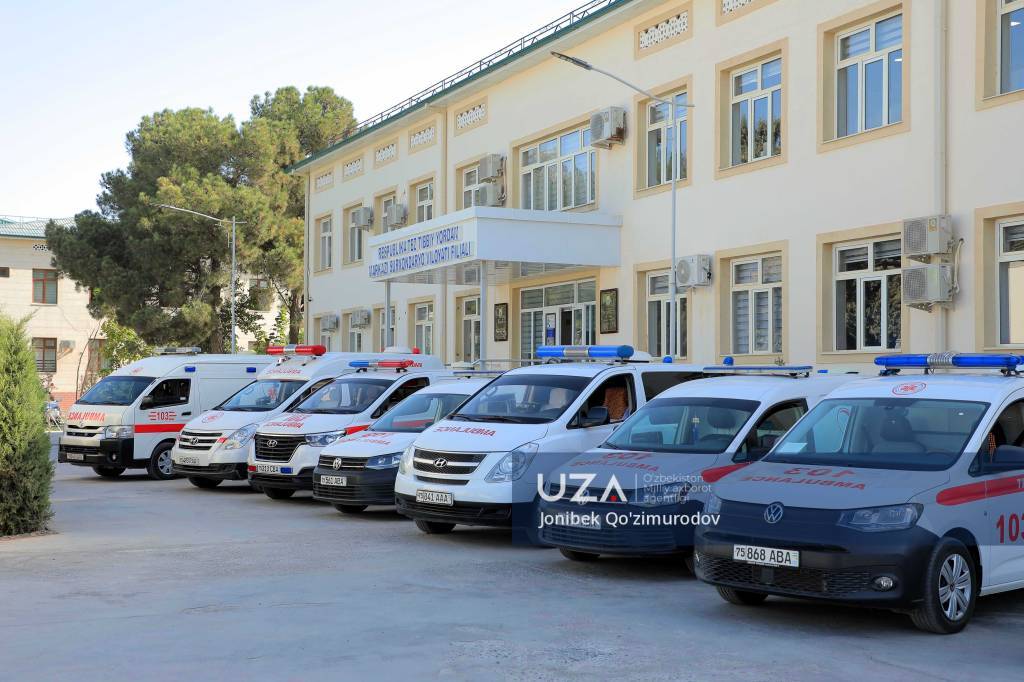
For the first time, Uzbekistan has developed a draft concept for developing its disaster medicine system.
At a roundtable in Tashkent to review the document, experts from Russia, Türkiye and Kazakhstan, representatives of the World Health Organization, the German Agency for International Cooperation (GIZ), the Korea Foundation for International Healthcare (KOFIH), and local specialists discussed its significance, key features and practical implementation.

The concept describes measures for ambulance and emergency medical services to implement together through integration.
“The most important aspect of the concept is establishing a unified system to manage and coordinate medical assistance in emergencies. This does not involve creating a new, separate structure. Instead, the plan is to bring together the capabilities of ambulance services, emergency medical care, air ambulance services, and other specialized units to ensure coordinated operations. All processes, from receiving an emergency call to providing medical assistance to victims, evacuating them, and admitting them to hospitals, will be managed through a unified system”, said Nozimjon Dalibayev, Deputy Director of the Republican Emergency Medical Care Center.
The concept also calls for gradually converting existing call centers into operational command centers. This would help allocate emergency calls, coordinate medical teams, and refer patients to appropriate hospitals in a timely manner.
According to international experts, Uzbekistan’s existing ambulance and emergency medical services could provide a strong foundation for a modern disaster medicine system. International experts reviewed the proposed concept and offered relevant recommendations. For the system to function effectively, it will require regular training exercises, specialist training, the necessary equipment, and adequate funding.
While developing the draft concept, specialists examined best practices in Russia, Türkiye, and several other countries with well-established, effective disaster medicine systems.
Mohigul Qosimova, UzA