Uzbekistan and Russia identify promising areas of cooperation in digitalization
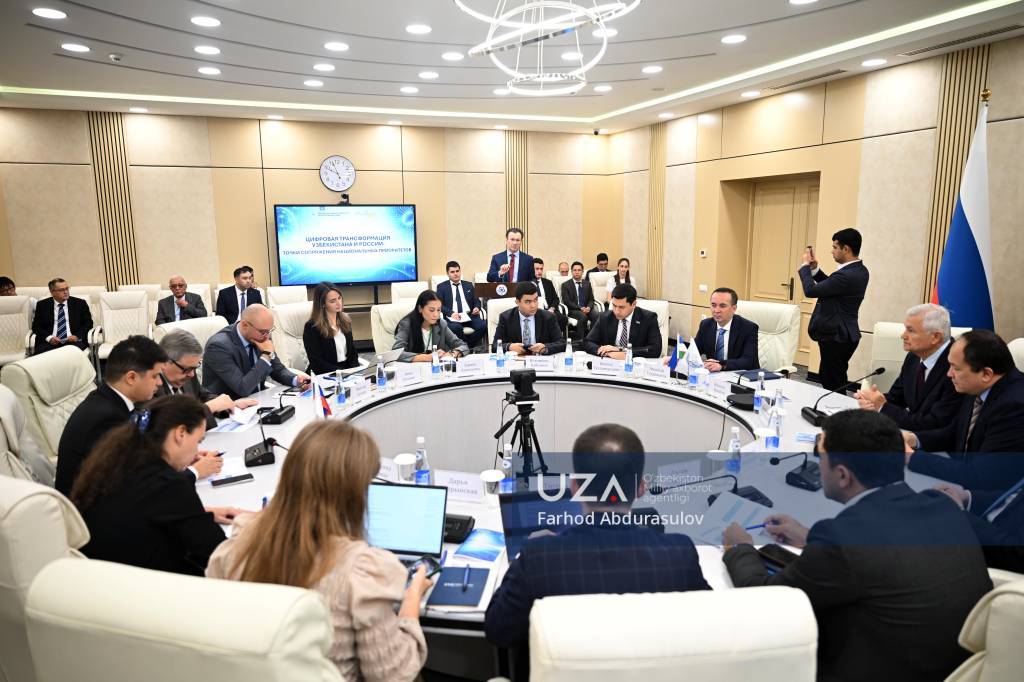
International Institute for Central Asia hosted a roundtable discussion on “Digital transformation of Uzbekistan and Russia: aligning national priorities”. The event was organized by the International Institute for Central Asia and the Alexander Gorchakov Public Diplomacy Fund.
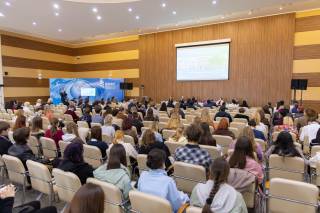
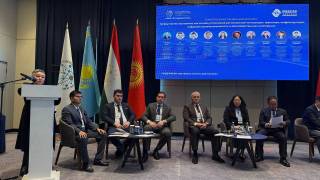
The roundtable addressed the current status and prospects of collaboration between Uzbekistan and Russia in digital technologies and artificial intelligence. It also explored new opportunities for joint projects in the digital economy. Participants included government officials and representatives from relevant agencies in Uzbekistan and Russia, diplomatic missions, research and educational institutions, expert and analytical centers, IT firms, and the business community.
The parties discussed each country’s digital development priorities. Uzbekistan’s priorities are outlined in the Digital Uzbekistan 2030 Strategy, which aims to grow the digital economy and widely adopt modern technologies. In Russia, major aspects of digital transformation are progressing through the national project “Data Economy and Digital Transformation of the State”.
The participants considered specific areas of technological cooperation in which the expertise and solutions of the two countries could complement each other. In particular, the discussion covered the development of digital infrastructure, the introduction of AI, the digitalization of trade and business, and the creation of joint platforms and products. A separate part of the discussion focused on cybersecurity and the protection of digital infrastructure. With the expansion of cross-border data exchange and the growing number of joint projects, reliable protection of information systems, experience exchange, and closer cooperation to ensure technological resilience are becoming increasingly important.
Another key discussion point was training IT specialists and fostering educational collaboration. Participants highlighted the potential of joint educational initiatives, professional training programs, and creating environments that support technology entrepreneurship.
Following the discussion, participants highlighted key areas for collaboration and stressed the importance of turning joint initiatives in digital technologies and artificial intelligence into practical actions.
[gallery-31275]
Aziza Alimova, photos by Farhod Abdurasulov, UzA