Uzbekistan and China expand expert cooperation in artificial intelligence and the digital economy
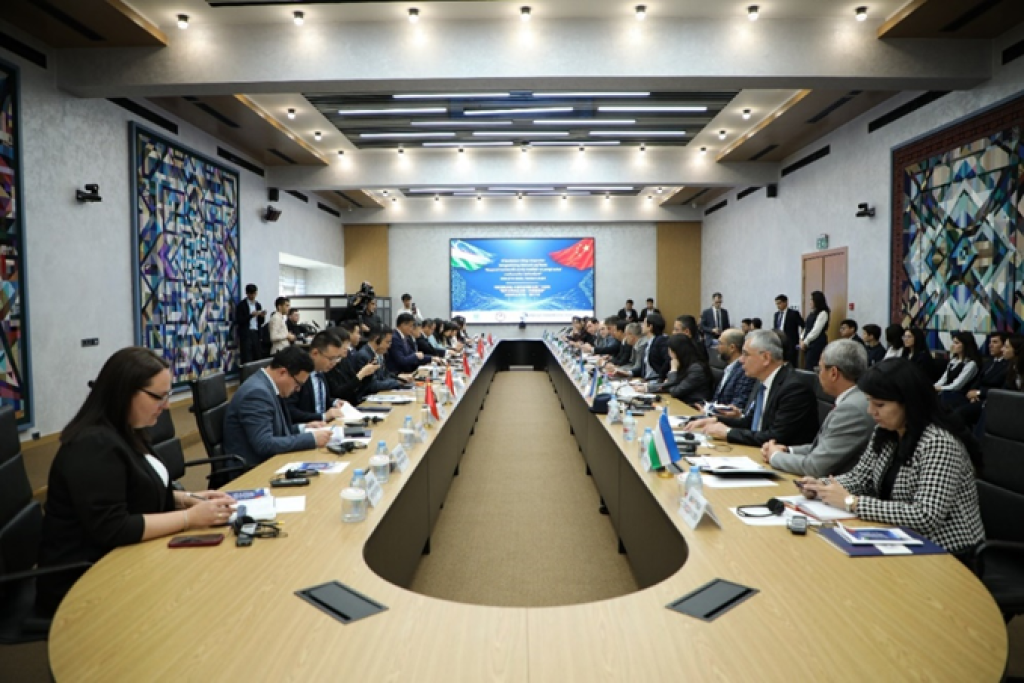
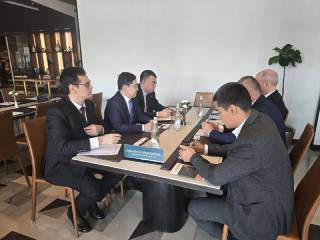
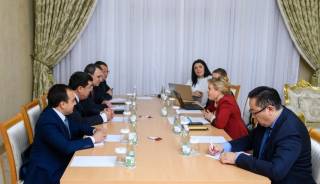
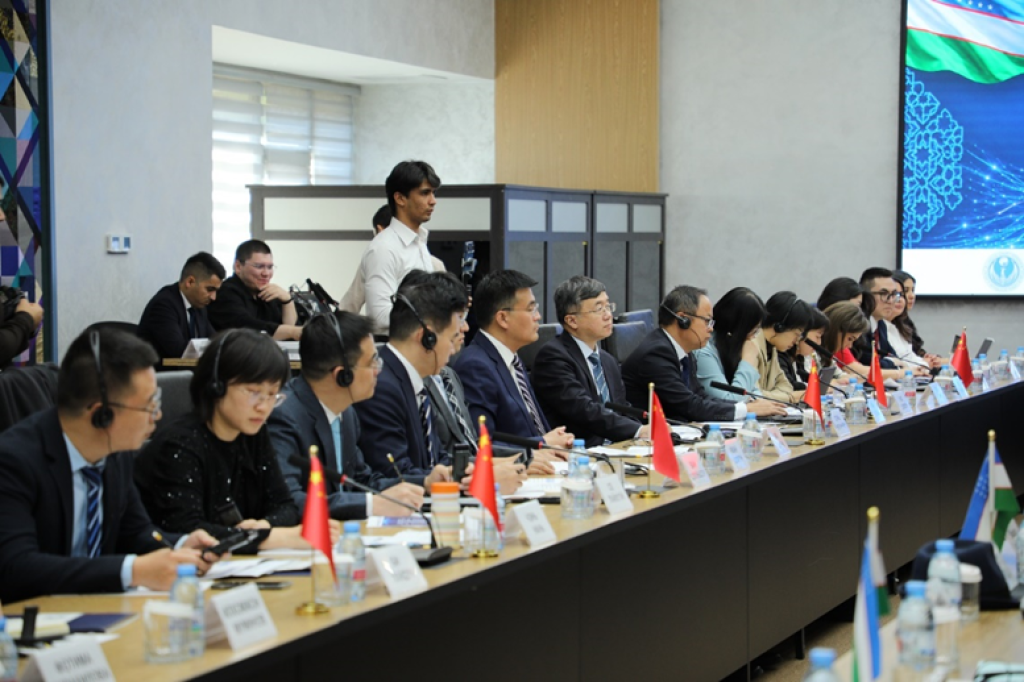
On 19 October 2026, Tashkent hosted the second meeting of the Uzbekistan – China Expert Council on “Digital Partnership: Artificial Intelligence and the Next-Generation Data Economy”.
The event was jointly organized by the Institute for Strategic and Regional Studies under the President of the Republic of Uzbekistan (ISRS) and the Institute of Russian, East European and Central Asian Studies of the Chinese Academy of Social Sciences (CASS).
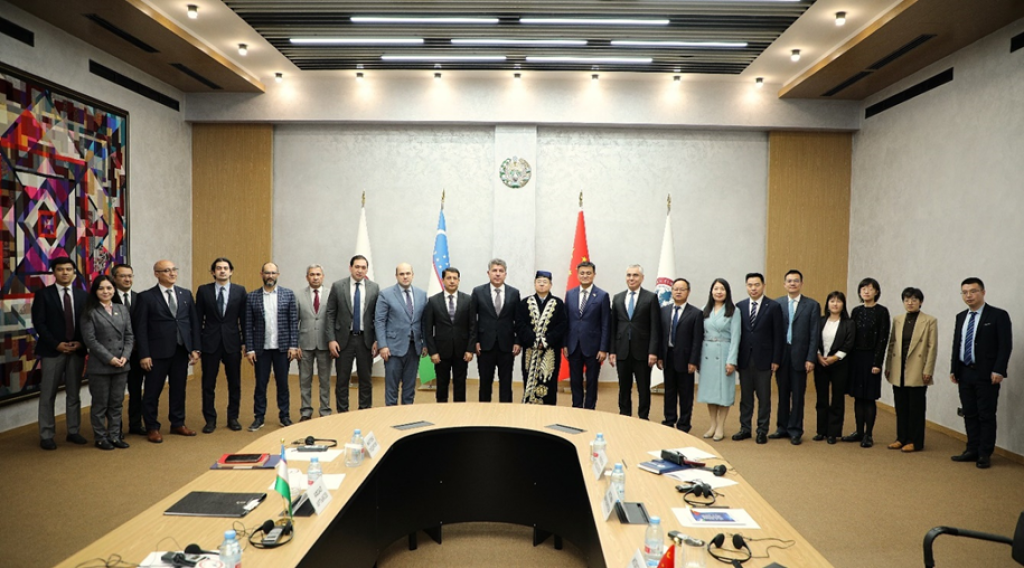
The meeting brought together heads and representatives of leading think tanks, research institutes and educational institutions from both countries, including the University of World Economy and Diplomacy, the Center for Economic Research and Reforms, the Research Institute for the Development of Digital Technologies and Artificial Intelligence, and relevant institutes of the Chinese Academy of Social Sciences. Representatives of government agencies and diplomatic missions also joined the discussions.
The memorandum establishing the Uzbekistan – China Expert Council was signed in October 2024 by ISRS and the Institute of Russian, East European and Central Asian Studies of CASS. The Council’s first meeting took place in Beijing on 22 March 2025 and focused on climate change, environmental cooperation and green technologies.
The second meeting explored prospects for cooperation in digital transformation, artificial intelligence, data infrastructure development, and training skilled professionals.
Participants noted that the rapid spread of new technologies was creating further opportunities to support sustainable growth, improve public administration efficiency, and strengthen the competitiveness of national economies.
The scale of global change underscores the importance of this agenda. International experts estimate that artificial intelligence could contribute as much as $20 trillion to the global economy by 2030, while the digital economy already accounts for more than 17% of global GDP.
Uzbekistan is steadily developing its national digital ecosystem under the Digital Uzbekistan 2030 Strategy and the Strategy for the Development of Artificial Intelligence Technologies until 2030. A major outcome of these efforts has been substantial growth in digital services exports, which reached approximately $1 billion in 2025. Projects are also underway to expand computing capacity and develop modern data processing infrastructure. In June 2026, an agreement was signed to finance the construction of a 12 MW green data center at IT Park.
China is a world leader in digital technologies and artificial intelligence. Its experience in expanding computing infrastructure, deploying intelligent solutions and developing the digital economy is of considerable interest to Uzbekistan. The Digital Silk Road initiative offers further opportunities for bilateral cooperation by promoting digital connectivity, technology exchange, and innovation collaboration.
Experts paid particular attention to the potential applications of artificial intelligence in industry, agriculture, water management, public administration and other sectors of the economy. They also discussed the development of data centers, the expansion of digital services, improvements to legal and regulatory frameworks, and stronger cybersecurity partnerships.
Alongside these opportunities, participants highlighted the need to address challenges relating to personal data protection, the ethical use of artificial intelligence, changes in the labor market and unequal access to advanced technologies.
They stressed the importance of a balanced approach that encourages innovation, ensures a secure digital environment and builds domestic technological capabilities.
The meeting provided an opportunity for an in-depth exchange on potential areas of practical cooperation between think tanks and research institutions in the two countries. In this context, the Chinese participants praised Uzbekistan’s achievements in developing digital infrastructure and building a national innovation ecosystem. They also expressed interest in expanding professional ties and working together on promising initiatives.
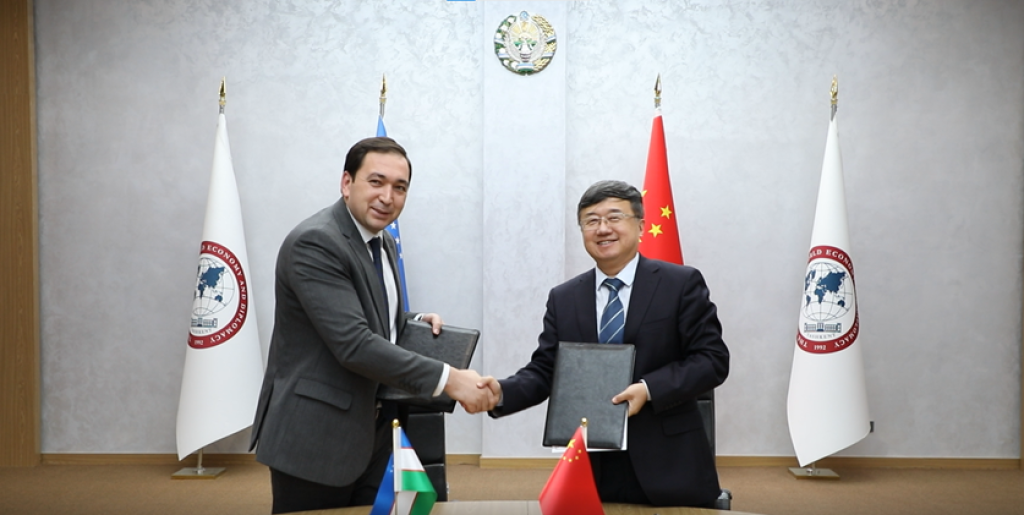
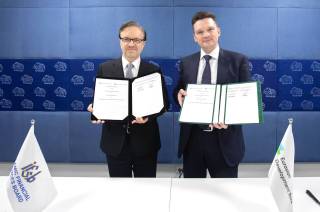
Following the meeting, ISRS and the Institute of Russian, East European and Central Asian Studies of CASS signed the Uzbekistan – China Expert Council’s Work Plan for 2027. The document provides for continued expert dialogue and expanded cooperation on priority areas of the bilateral agenda.
The two sides also agreed to hold the third meeting of the Uzbekistan – China Expert Council in Beijing.
UzA