Uzbekistan and Albania: New Stage in Bilateral Relations
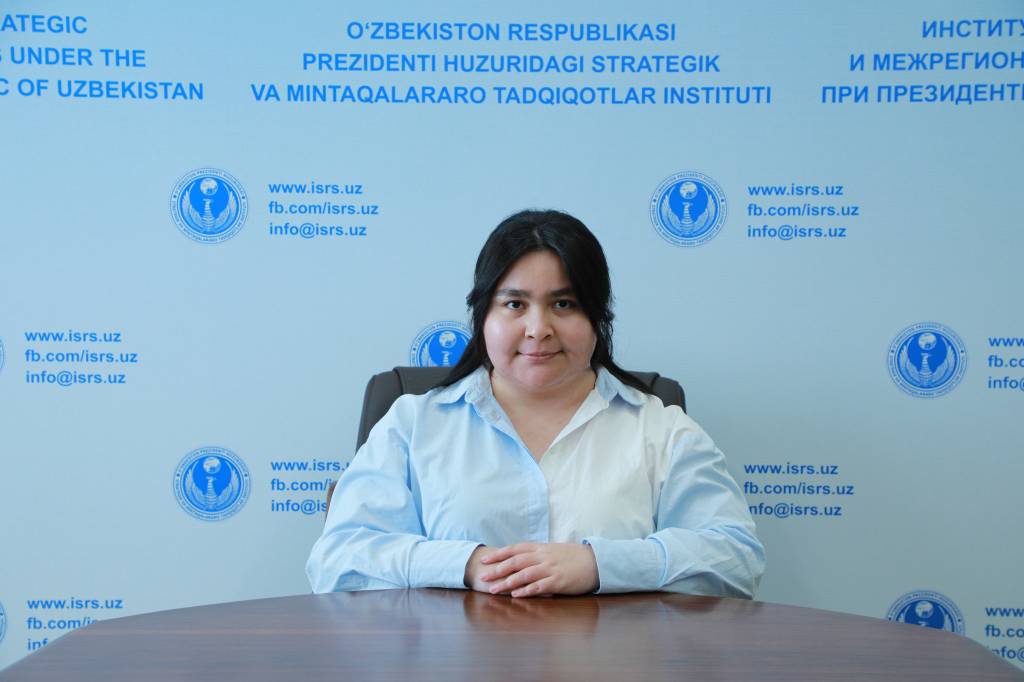
Albanian President Bajram Begaj’s official visit to Uzbekistan, at the invitation of President Shavkat Mirziyoyev, marked a key milestone in bilateral relations. It was the first time an Albanian leader visited Uzbekistan since diplomatic ties were established in 1993, signaling a shift from mere formal interactions to a genuine partnership.
For more than thirty years, the agenda between Tashkent and Tirana remained limited. The two countries lacked a regular political dialogue, stable trade and economic ties, and institutional mechanisms for cooperation. The leaders gave the relationship fresh impetus when they met on the sidelines of the UN General Assembly in September 2025, and the recent visit translated those understandings into practical action.
The outcomes of the talks point to the emergence of a fundamentally new model of engagement – one resting not only on political dialogue but also on the long-term economic interests of both sides.
Above all, Uzbekistan is expanding cooperation with a country that could become a member of the European Union. Following the decision at the EU-Albania Intergovernmental Conference in May, the accession negotiations have effectively entered their final phase. This means Albania is steadily integrating into the EU’s common legal and economic space.
This factor carries strategic weight for Uzbekistan. By building ties with Tirana, Uzbekistan is forging long-term relations with an EU candidate country – relations that will, over time, create additional opportunities for engagement with European institutions, attract investment, and develop industrial cooperation.
Albania, for its part, shows a reciprocal interest in Uzbekistan. As one of Central Asia’s largest economies and the region’s fastest-growing market, Uzbekistan offers Tirana the prospect of diversifying its external economic ties and strengthening its position along the Eurasian track.
The visit’s most significant outcome was the creation of an institutional foundation for cooperation. The establishment of an Intergovernmental Commission will close the principal gap in the relationship – the absence of a standing coordination mechanism – and enable the two countries to move from one-off initiatives to the systematic implementation of joint projects.
The two sides have already identified sectors that offer practical returns in the medium term, including agro-industry, renewable energy, mining, digital technology, and tourism – sectors that serve both countries’ interests.
Transport and logistics deserve special attention. Durres is Albania’s largest seaport on the Adriatic Sea, with ferry links to Italy and rail connections throughout the Balkans. Its role in regional logistics will only grow as Albania integrates into the European economic space and the EU rolls out its Global Gateway initiative to modernize the region’s transport infrastructure.
Integrating Durres into the Trans-Caspian International Transport Route provides Uzbekistan with an additional channel to European and Mediterranean markets – a diversification strategy that has become especially relevant amid the transformation of global logistics and the growing importance of alternative routes.
The benefits of such cooperation cut both ways: growing transit volumes from Central Asia could elevate Albania’s role as a promising logistics hub in the Balkans and strengthen its position within the emerging system of Eurasian transport corridors.
In a broader sense, the visit’s outcomes reflect the steady expansion of Uzbekistan’s European foreign policy. In recent years, Tashkent has actively built ties with EU institutions and with individual European states, weaving a wide network of mutually beneficial partnerships.
At the same time, the visit signals growing European interest in cooperation with Central Asia. Amid shifting global trade routes, the restructuring of production chains, and the growing importance of the Middle Corridor, the region is increasingly viewed as a new center of economic growth and transport connectivity in Eurasia.
All told, the outcomes of the talks indicate that both sides view this visit not as a declaration of intent but as a starting point for practical cooperation. The future trajectory of the relationship will depend on how effectively the new institutional architecture functions – and how quickly Durres’s logistical potential moves from a subject of discussion to a practical instrument of cooperation.
UzA