The working group conducted an assessment in Karakalpakstan
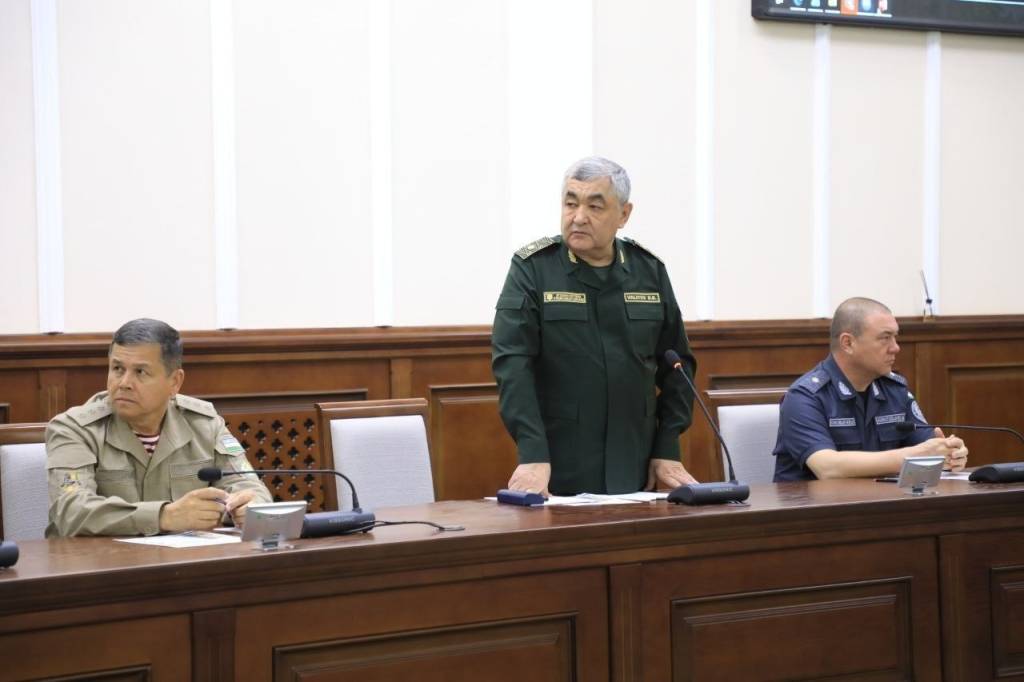
The Republican Interdepartmental Coordination Headquarters, led by First Deputy Prosecutor General B. Valiyev, and members of its working group, conducted a study in the Republic of Karakalpakstan.
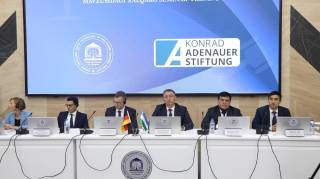
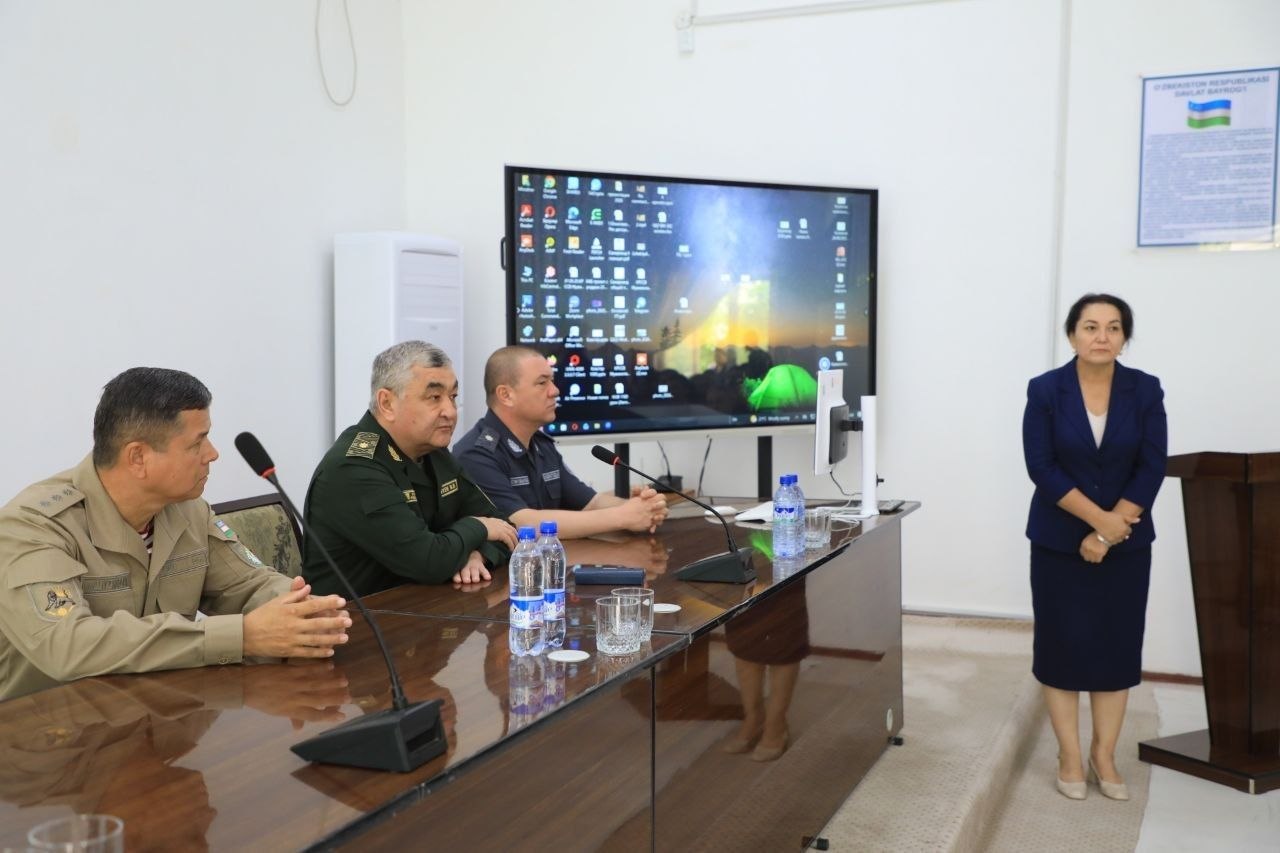
During the studies, a training seminar was held at the Council of Ministers of the Republic of Karakalpakstan with the participation of heads of ministries, agencies, and regional organizations responsible for mahalla activities, representatives of the "mahalla seven," and professors and instructors from Berdakh Karakalpak State University. The seminar focused on the widespread introduction of pre-trial dispute resolution mechanisms in mahallas, the development of a culture of reconciliation among citizens, and the role and importance of the institution of mediation.
During the event, professors and instructors from the Ministry of Justice and Tashkent State University of Law provided practical recommendations and instructions on resolving family disputes through mediation and training professional mediators from among mahalla chairpersons.
At the conclusion of the seminar, an open dialogue was held with the participants, where experts provided detailed answers to questions on the topic. This training seminar serves to prevent conflicts in mahallas, expand the practice of their effective resolution through mediation, and further strengthen the atmosphere of mutual respect and solidarity among citizens.
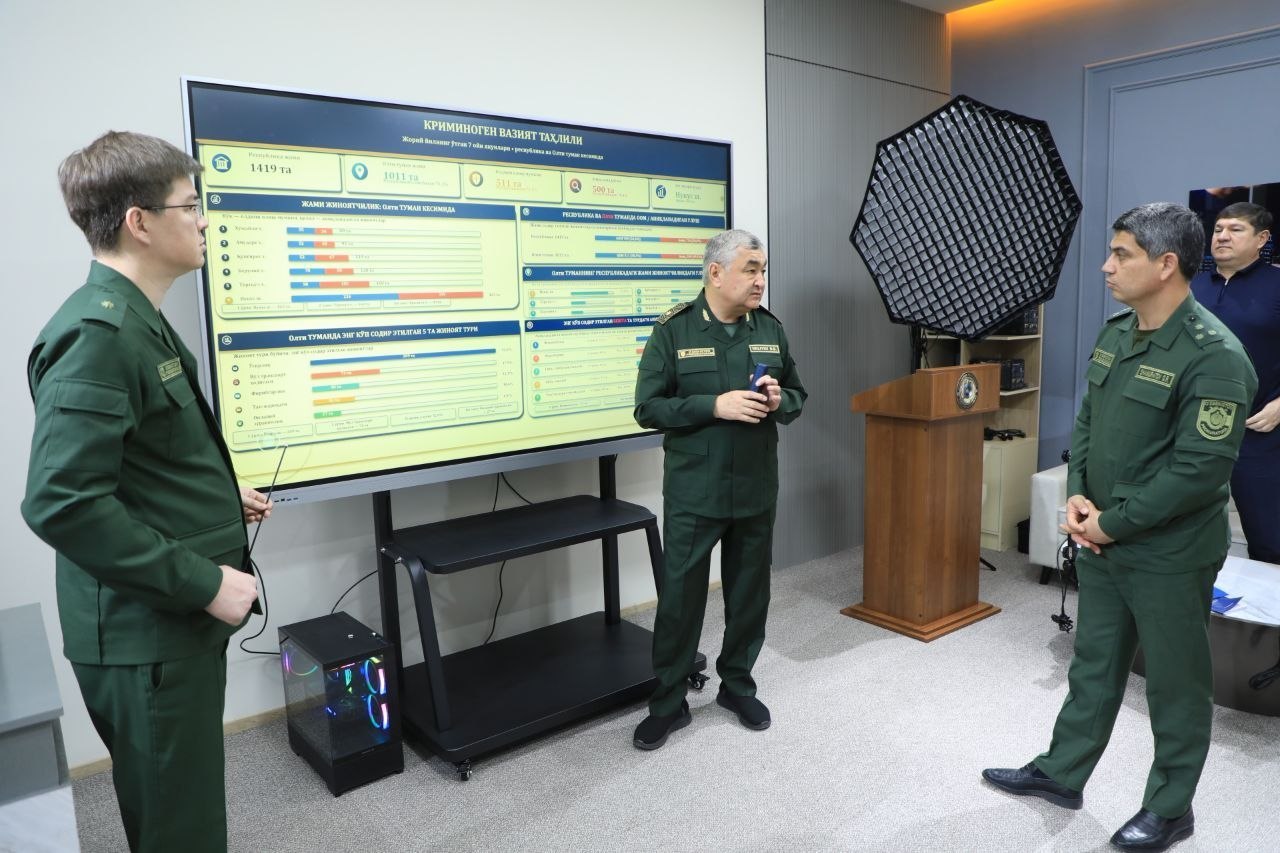
Members of the Republican Interdepartmental Coordination Headquarters and its working group also familiarized themselves with the activities of the Ministry of Internal Affairs' Department for Combating Cybercrime, and the effectiveness of detecting and investigating crimes related to information security.
Specifically, the work on cooperation and practical assistance in operational-search activities and preliminary investigations was examined through the establishment of a "Prosecutor's Room" within the department's building. Additionally, at the multimedia center established within the department, presentations were made on video materials aimed at increasing the public's legal awareness, practical problems in the fight against cybercrime, and proposals developed by the Republic's Prosecutor's Office and the Ministry of Internal Affairs to address them.
Furthermore, based on the results of analytical research conducted by the Republic's Prosecutor's Office, discussions were held on creating a safe environment in mahallas by increasing the effectiveness of enhanced preventive measures organized in six regions with a high crime rate, as well as on crime prevention and early crime detection.
Members of the interdepartmental headquarters organized a training session at the Karakalpakstan Republic branch of the Republican Specialized Scientific-Practical Medical Center for Mental Health's Narcology and Psychiatry Services, with the participation of family members of patients on the dispensary registry and medical staff.
To prevent this category of patients from committing crimes and offenses, detailed explanations were given on the timely administration of their medications, proper care, and appropriate communication with patients in a home setting. Additionally, relevant measures were identified for sending patients for compulsory treatment in accordance with the established procedure.
Moreover, the appeals of close relatives of this patient category and the adequacy of medications allocated for their treatment were reviewed. Based on the shortcomings identified during the review, responsible officials were given appropriate instructions and tasks for their elimination.
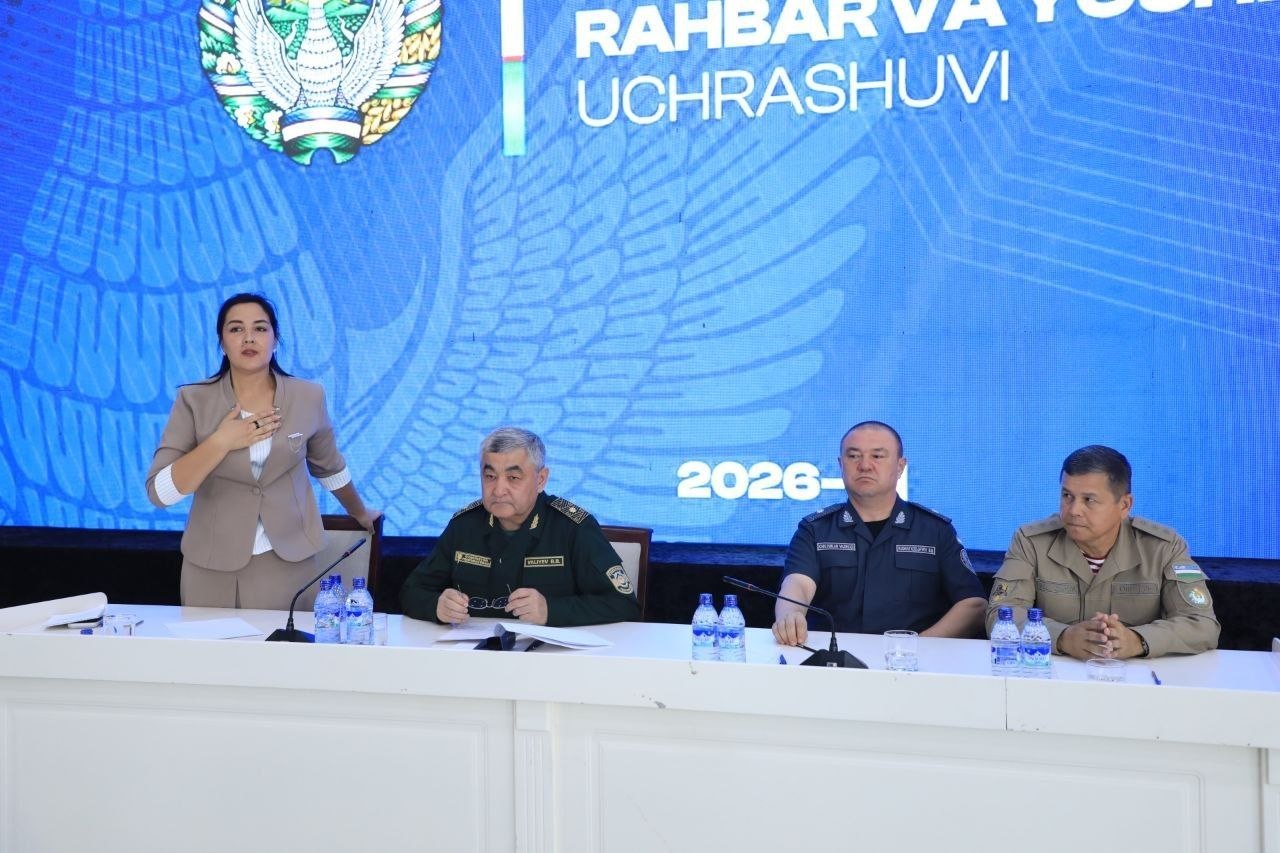
The Republican Interdepartmental Coordination Headquarters and its working group held a "Leader and Youth Meeting" at the "Youth Center" in Nukus.
During the event, a sincere discussion was held with young people, and their needs, proposals, and initiatives in the educational process were heard. The ideas expressed by the youth regarding startups for the early prevention of crime among their peers, ensuring employment, providing vocational guidance, and improving their knowledge and skills in the IT field were supported, and tasks were assigned to the responsible officials.
At the end of the meeting, it was emphasized that practical work aimed at ensuring the rights and legal interests of youth, helping them secure a worthy place in society, and find their path in life will be consistently continued.
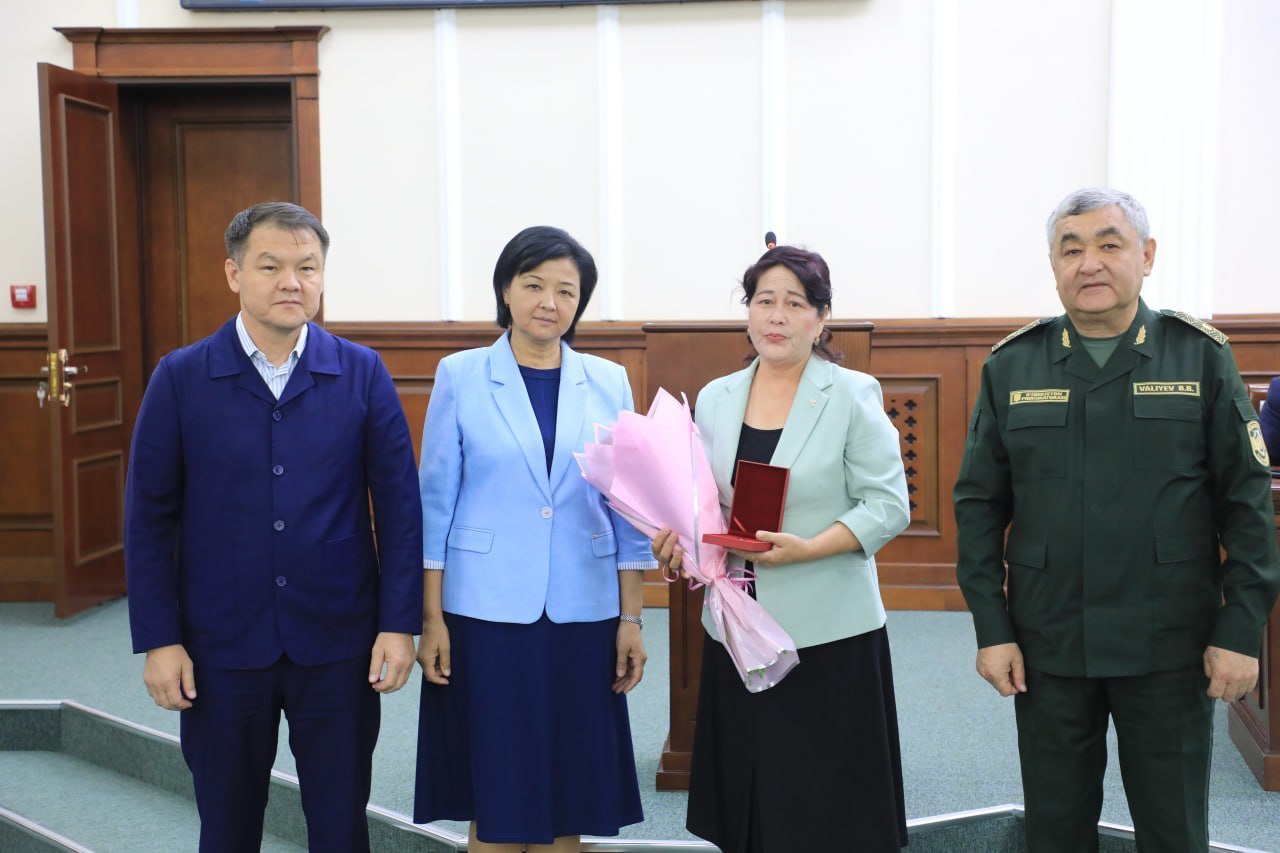
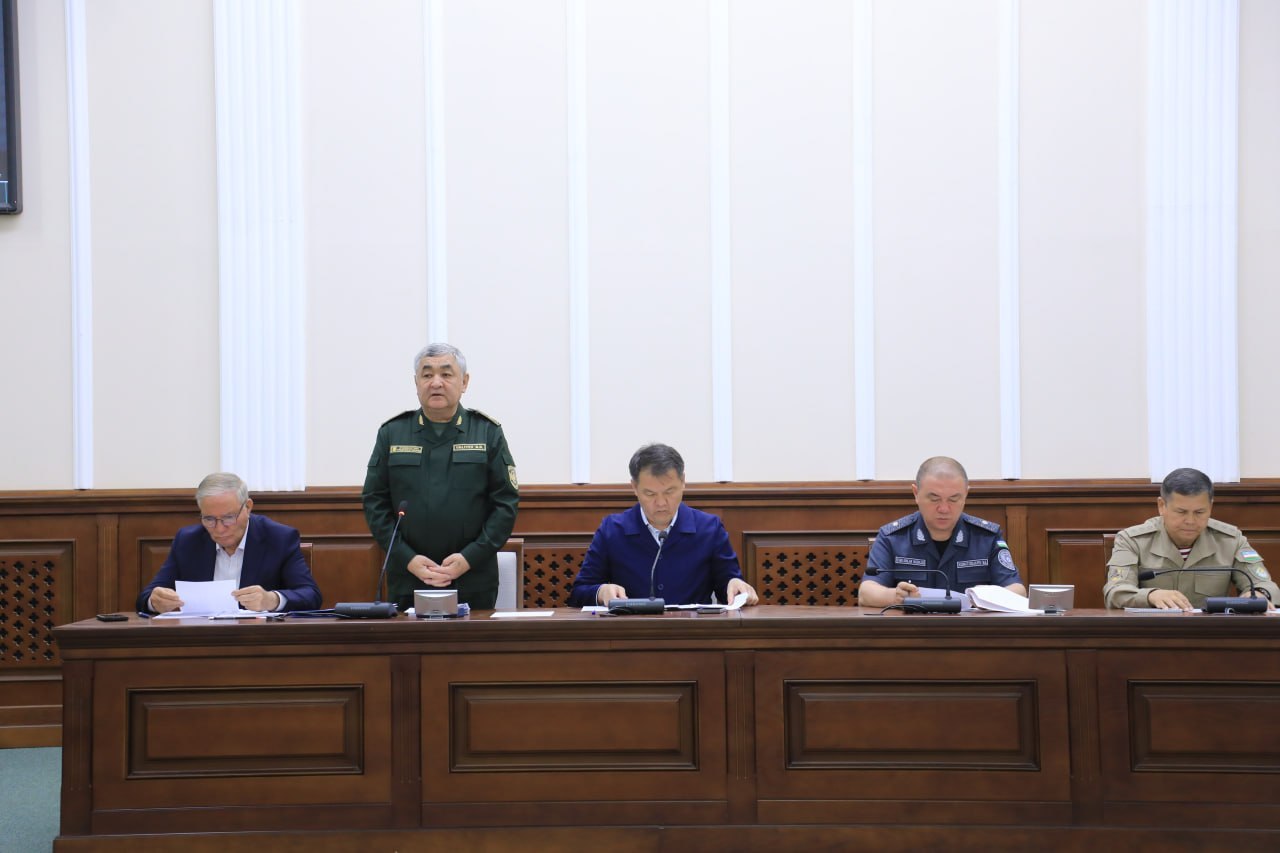
Under the chairmanship of B. Valiev, Head of the Republican Interdepartmental Coordination Headquarters and First Deputy Prosecutor General, a field meeting was held on the results of studies conducted in the mahallas of the Republic of Karakalpakstan to ensure the implementation of the President's resolutions "On additional measures aimed at introducing a unified, targeted system of work to create a safe environment in the republic's mahallas" and "On organizational measures to further increase the effectiveness of early crime prevention in the republic's mahallas in 2026."
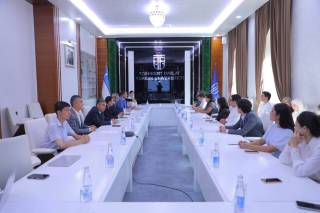
At a meeting held in the Council of Ministers of the Republic of Karakalpakstan, shortcomings identified during studies were critically discussed, and relevant instructions were given to responsible officials to address them and ensure the implementation of assigned tasks.
The extended meeting was attended by responsible leaders of the Jokargy Kenes, the Council of Ministers, the Prosecutor General's Office, the Ministries of Internal Affairs, Higher Education, Science and Innovation, Preschool and School Education, Justice, and Health, as well as the National Guard, the Association of Mahallas of Uzbekistan, the Youth Affairs Agency, the Academy of the Ministry of Internal Affairs, heads of their regional structures, members of republican, city, and district working groups, and deputy khokims.
The meeting critically and analytically reviewed the work being done to create a safe environment in mahallas, strengthen crime prevention and early intervention efforts, equip mahallas with video surveillance cameras and other technical equipment, and establish model "safe streets" and "safe homes." Also discussed were measures taken to study and resolve the social and domestic problems of individuals in special categories, those on probation, and formerly convicted persons, as well as the compulsory treatment of individuals registered with medical institutions. The mistakes and shortcomings in these areas were also examined, and specific measures were defined to address them.
Additionally, the issue of holding officials accountable for errors and shortcomings in these areas, as well as rewarding those who have organized their activities in an exemplary manner, was also considered.
Dovud Abibullayev,
UzA correspondent