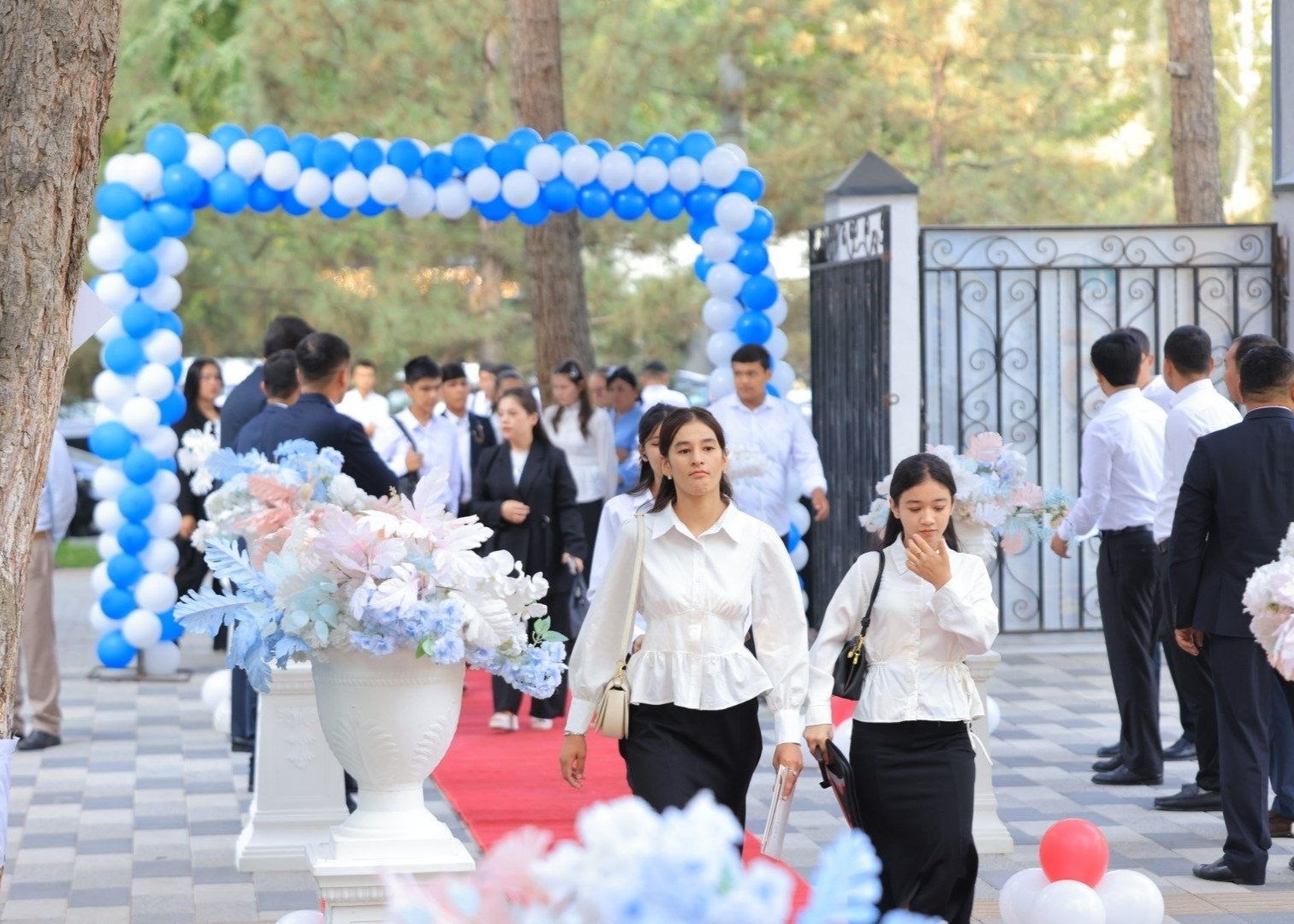
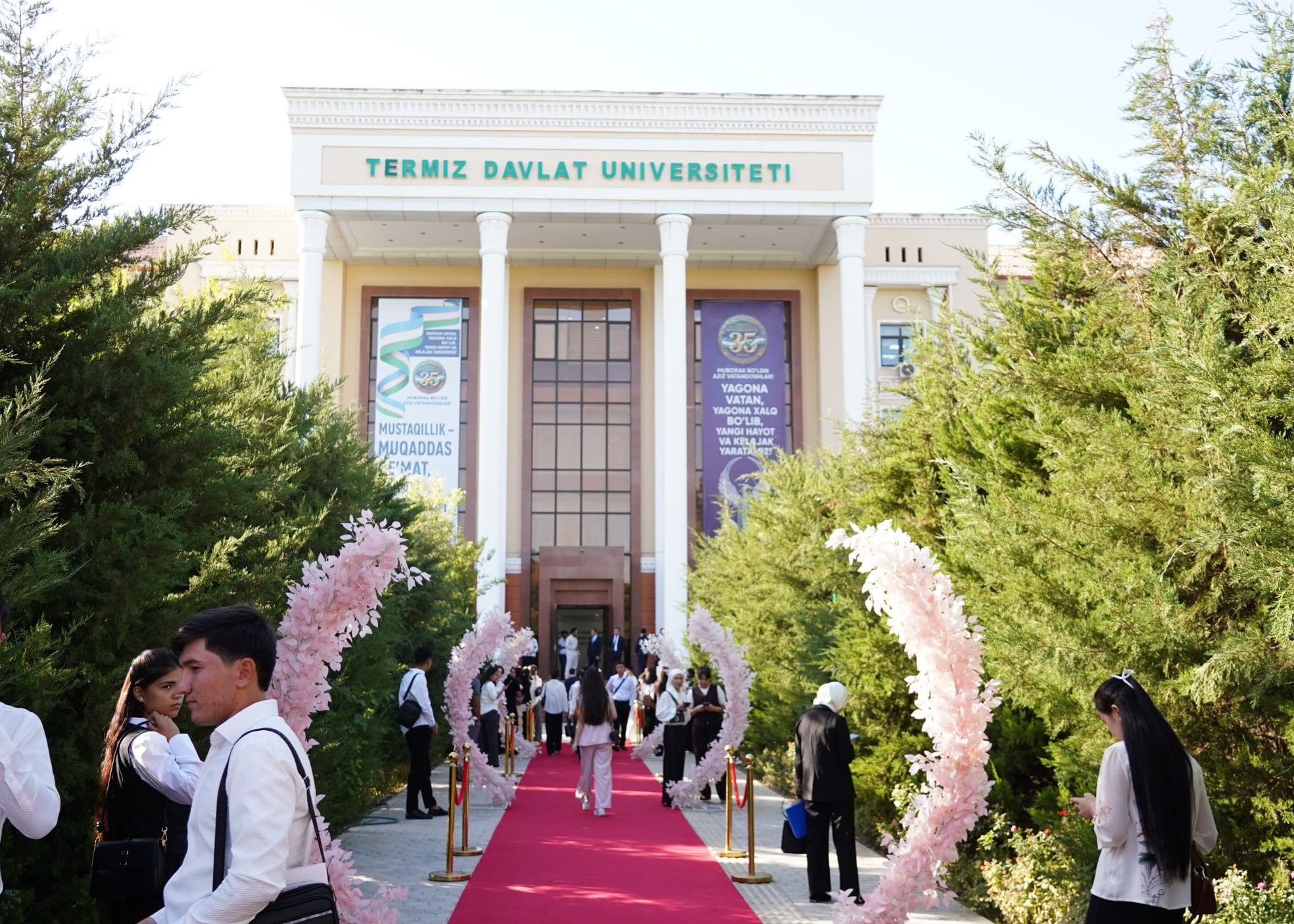
The new academic year has begun for first-year university students.
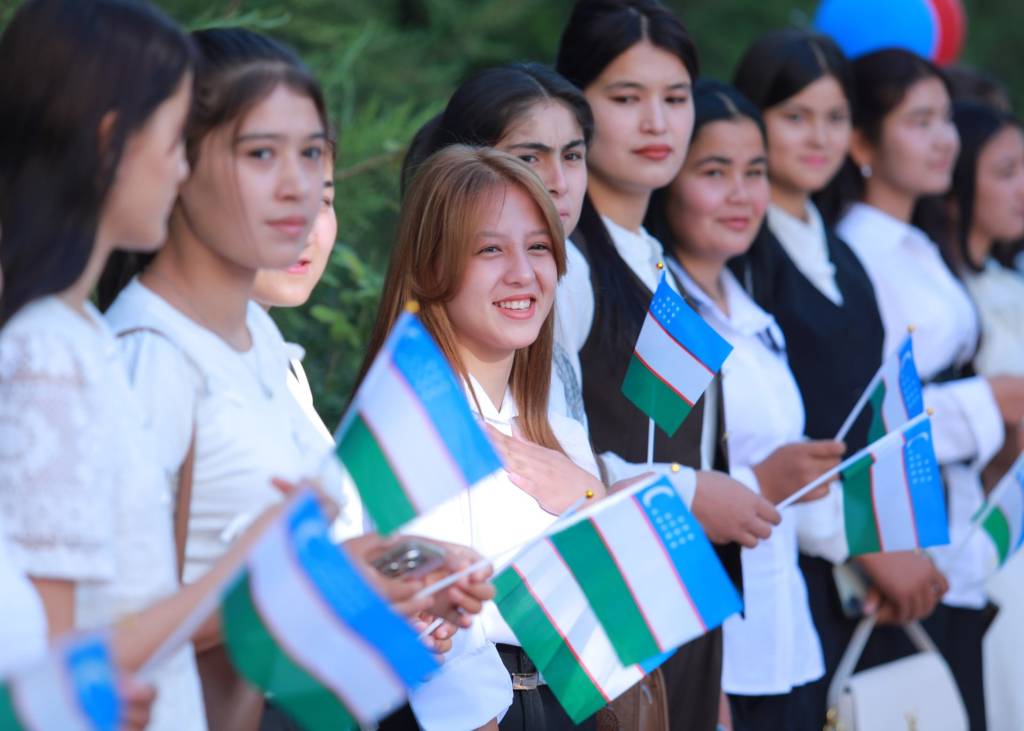
Today, September 7, classes began for first-year students of the 2026/2027 academic year at higher education institutions in Uzbekistan.
According to information provided by the information service of the Ministry of Higher Education, Science and Innovation, 209,100 first-year students embarked on their university life for the first time this academic year.
On the first day of the new academic year, "Hour of the Future" educational lessons dedicated to the 35th anniversary of the state independence of the Republic of Uzbekistan were held in higher education institutions.
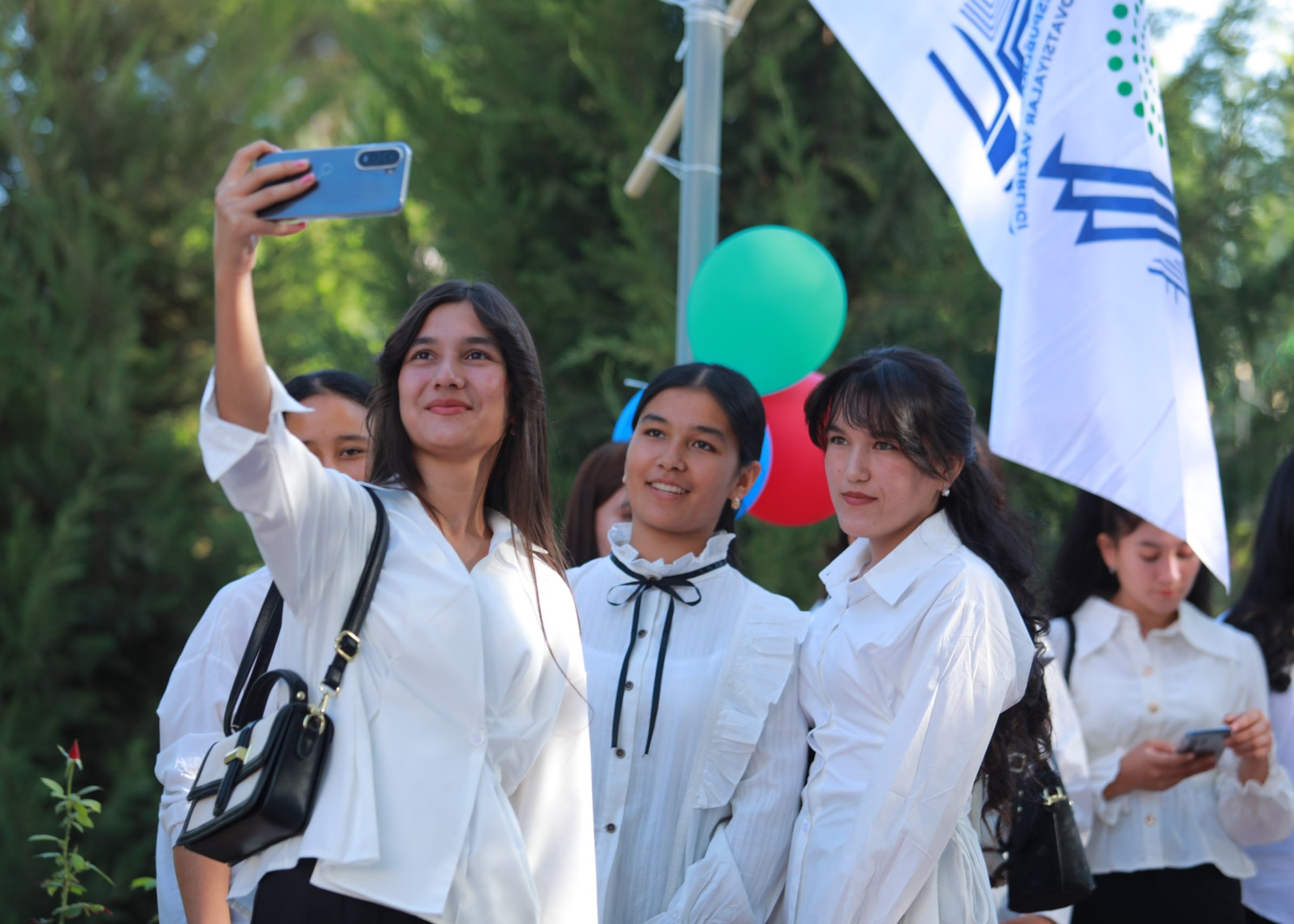
During these lessons, discussions were held to inform young people about our country's development path during the years of independence, the large-scale reforms being implemented, the current stage of development of the New Uzbekistan, and the role of youth in building the nation's future.
Additionally, during the initial weeks of the term, events such as "First-Year School," "Introduction to the Credit-Based Education System" week, and "Student Initiation" ceremonies are being organized for first-year students.
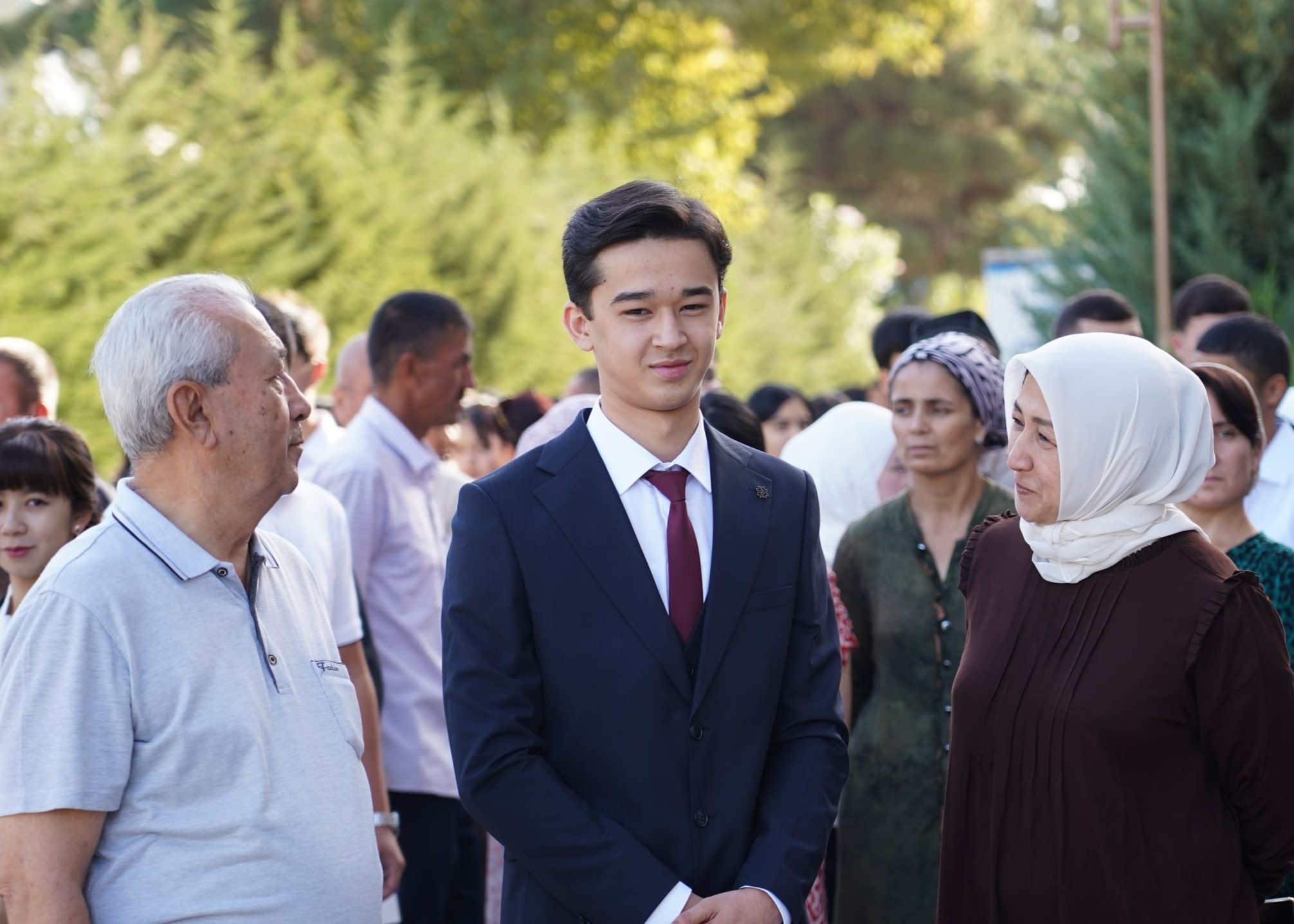
Within the framework of these events, students will receive practical support regarding the credit-module system, the principles of academic integrity, organizing independent study, professional development opportunities, and using digital services within the higher education system.
For upper-year students, classes will begin on September 14.
In preparation for the new academic year, a number of practical measures were taken to create the necessary infrastructure for students and to welcome them properly. Specifically, new student dormitories with a total of 6,200 beds and academic buildings with capacity for 3,500 students were commissioned at 13 higher education institutions.
Furthermore, to ensure the systematic placement of students in dormitories, operational headquarters, "Qalqon" (Shield) groups, teams of tutors and volunteers, and Call Centers have been established at universities. Efforts are underway to place 167,000 students in 408 student dormitories, with priority given to young people in need of social protection.
In recent years, the primary focus of the higher education system has been on creating broad opportunities and necessary conditions for the education of our country's youth. As a result, over the past 10 years, the number of higher education institutions has increased from 77 to 205, and student admissions have grown 3.5-fold.
By fostering a healthy competitive environment and involving the private sector, 74 non-state higher education organizations were established. The number of foreign higher education organizations has increased to 32, and state higher education institutions to 99.
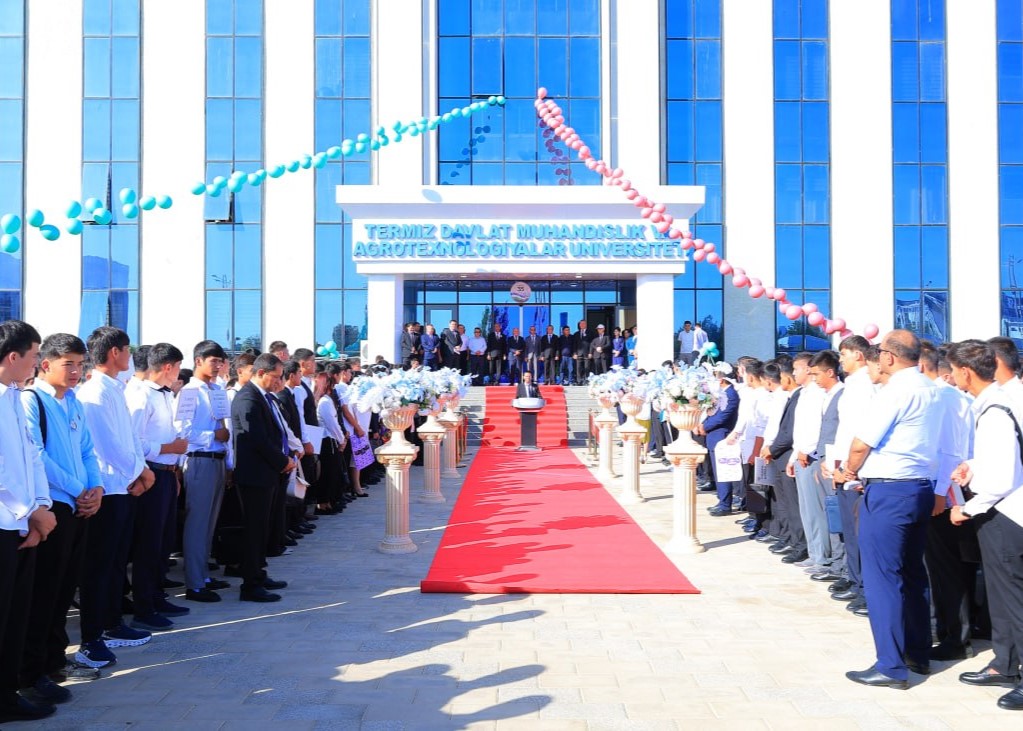
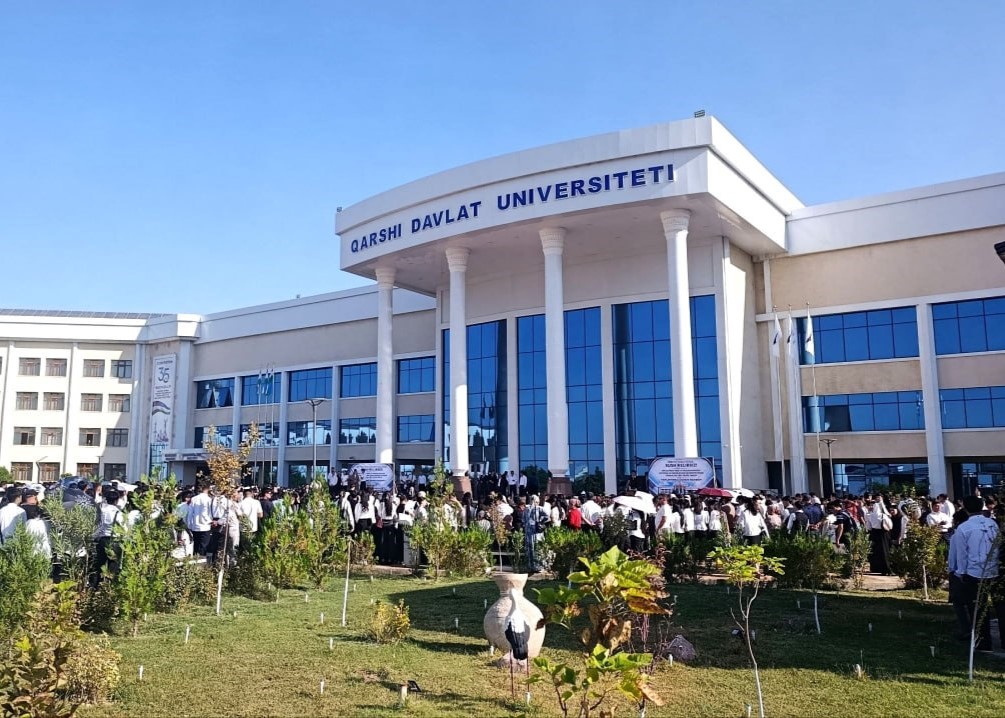
To date, 10 technical higher education institutions have been reorganized. Bukhara, Karshi, Termez, Fergana, Nukus, Namangan, and Samarkand State Technical Universities, Andijan and Almalyk State Technical Institutes, and Tashkent Tech University have been established.
The higher education enrollment rate for youth has increased from 9 percent to 44 percent. While the number of students was 279,000 in 2017, it has exceeded 1.6 million by 2026. Of these, 904,000 (54.2%) are women, which represents a 5.7-fold increase compared to 2017.
By 2026, the number of international students reached 24,000. The educational process in universities has fully transitioned to the credit-module system. Higher education fields of study have been optimized by 40 percent. 185 academic programs at 28 higher education institutions have undergone international accreditation. More than 2,000 academic programs have been aligned with those of TOP-300 universities.
441 joint academic programs have been launched with foreign universities. Among these, 18 joint academic programs have been established with universities ranked in the TOP-500.
For admission to the republic's higher education institutions, separate state-grant-based admission quotas were allocated for young women. Since 2021, the state grant for women from families in need has been doubled.
Since 2022, a total of 484.1 billion soums has been paid from the State Budget to cover the tuition fees for women admitted to and studying in master's programs at state universities on a fee-paying basis.
For the 2026/2027 academic year, a quota of 3,600 educational grants for undergraduate programs has been approved as part of a 10 percent additional state grant for children from families listed in the "Unified Register of Social Protection." All of this reflects the systemic results of the accelerated development of our country's higher education system and the noble efforts to raise young people to be knowledgeable, enlightened, and spiritually rich individuals.
N. Usmanova, UzA